
Capinera vs Layard's Warbler
Sylvia atricapilla contro Curruca layardi
Fai un quiz con Capinera e Layard's Warbler
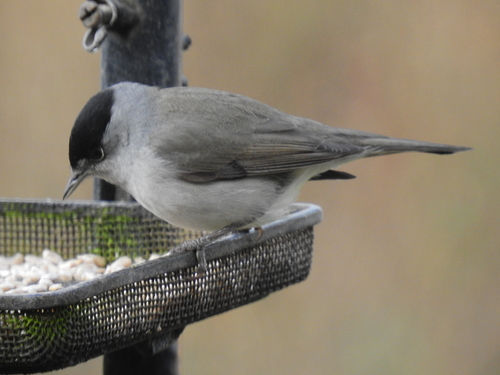 Capinera
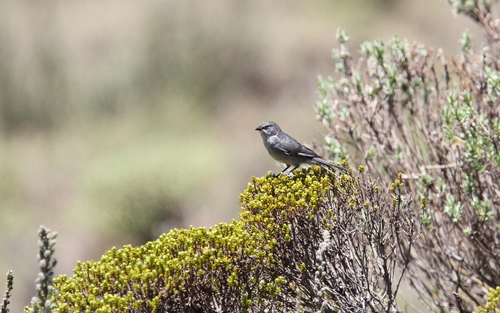 Layard's Warbler
In breve
La Capinera e il Layard's Warbler possono essere distinti dai loro segni sulla testa e dalle vocalizzazioni. La Capinera è nota per il suo caratteristico cappello, che è nero nei maschi e marrone nelle femmine, mentre il Layard's Warbler non ha un cappello del genere. Le loro canzoni differiscono anche significativamente, con la canzone della Capinera che è ricca e melodica.
Consigli di identificazione
- Cerca il cappello nero o marrone sulla Capinera.
- Ascolta la canzone ricca e melodica della Capinera, specialmente in vegetazione densa.
Piumaggio
I maschi della Capinera hanno un cappello nero e le femmine un cappello marrone, che è assente nel Layard's Warbler. Il Layard's Warbler ha un piumaggio più uniforme senza il cappello distintivo.
Voce
La Capinera è nota per la sua canzone ricca e flautata con note graffianti, mentre le vocalizzazioni del Layard's Warbler non sono descritte nelle note.