
Picchio rosso maggiore vs Passera scopaiola
Dendrocopos major contro Prunella modularis
Fai un quiz con Picchio rosso maggiore e Passera scopaiola
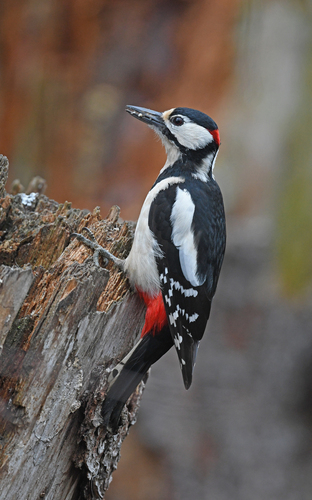 Picchio rosso maggiore
 Passera scopaiola
In breve
Il Picchio rosso maggiore e la Passera scopaiola sono facilmente distinguibili per la loro struttura e comportamento. Il picchio ha un becco forte e simile a uno scalpello ed è spesso visto arrampicarsi sui tronchi degli alberi, mentre la passera ha un becco sottile e appuntito ed è più probabile trovarla a nascondersi nella vegetazione.
Consigli di identificazione
1. Forma del becco: Il picchio ha un becco forte e simile a uno scalpello, mentre la passera ha un becco sottile e appuntito. 2. Comportamento: Cerca i picchi che si arrampicano sugli alberi e le passerine a terra. 3. Piumaggio: Nota il motivo audace in bianco e nero del picchio rispetto ai toni più tenui di grigio e marrone della passera.
Taglia
Il Picchio rosso maggiore è più grande e robusto rispetto alla più piccola e simile a un passero Passera scopaiola.
Piumaggio
Il Picchio rosso maggiore ha un motivo nero e bianco straordinario con marcature rosse, mentre la Passera scopaiola è colorata in modo più sottile con una testa e un petto grigi e una schiena marrone finemente striata.
Comportamento
Il Picchio rosso maggiore è spesso visto arrampicarsi sui tronchi e sui rami degli alberi, mentre la Passera scopaiola è più probabile trovarla a terra o in una fitta vegetazione.
Picchio rosso maggiore · Passera scopaiola · I miei uccelli difficili