
Gray-collared Becard vs Dusky-capped Flycatcher
Pachyramphus major contro Myiarchus tuberculifer
Fai un quiz con Gray-collared Becard e Dusky-capped Flycatcher
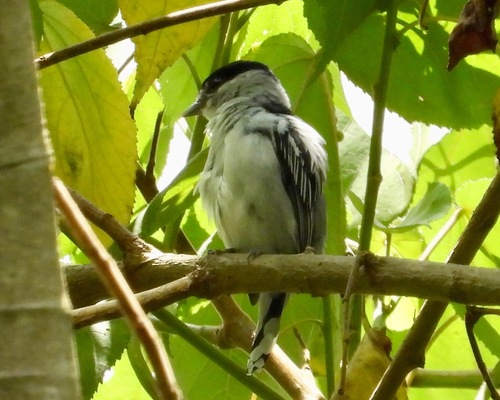 Gray-collared Becard
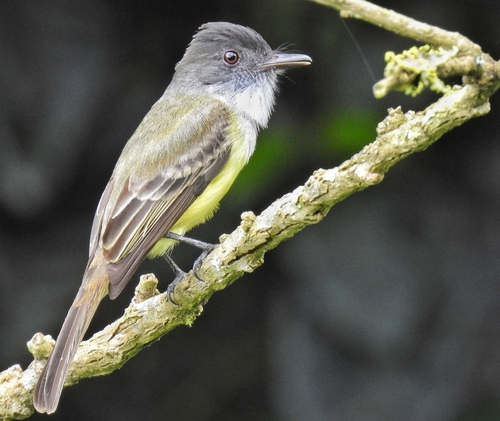 Dusky-capped Flycatcher
In breve
Il Gray-collared Becard e il Dusky-capped Flycatcher possono essere distinti principalmente dalla loro struttura e comportamento. Il Gray-collared Becard ha un corpo più robusto e un collare grigio distintivo, mentre il Dusky-capped Flycatcher è più snello con un piumaggio più sottile. Le vocalizzazioni sono un fattore chiave di differenziazione, poiché il Dusky-capped Flycatcher si affida molto alla voce per l'identificazione delle specie.
Consigli di identificazione
1. Structure: Nota il corpo robusto del Gray-collared Becard rispetto al più snello Dusky-capped Flycatcher. 2. Plumage: Cerca il collare grigio sul Gray-collared Becard. 3. Behavior: Osserva le abitudini di nidificazione e il comportamento territoriale; il Dusky-capped Flycatcher è un nido cavo segreto. 4. Vocalization: Ascolta i richiami distintivi, specialmente dal Dusky-capped Flycatcher, che si affida alla voce per l'identificazione.
Taglia
Il Gray-collared Becard è generalmente più robusto rispetto al più snello Dusky-capped Flycatcher.
Piumaggio
Il Gray-collared Becard presenta un collare grigio distintivo, mentre il Dusky-capped Flycatcher ha un piumaggio più sottile con un leggero contrasto tra la corona e la schiena.
Comportamento
Il Dusky-capped Flycatcher è noto per essere un nido cavo segreto e mantiene territori tutto l'anno, a differenza del Gray-collared Becard.
Voce
Le vocalizzazioni sono cruciali per identificare il Dusky-capped Flycatcher, poiché utilizza la voce per distinguersi da specie simili.
Gray-collared Becard · Dusky-capped Flycatcher · I miei uccelli difficili