
Jabiru vs Wood Stork
Jabiru mycteria contro Mycteria americana
Fai un quiz con Jabiru e Wood Stork
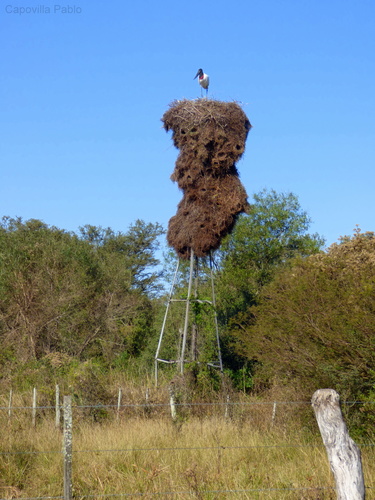 Jabiru
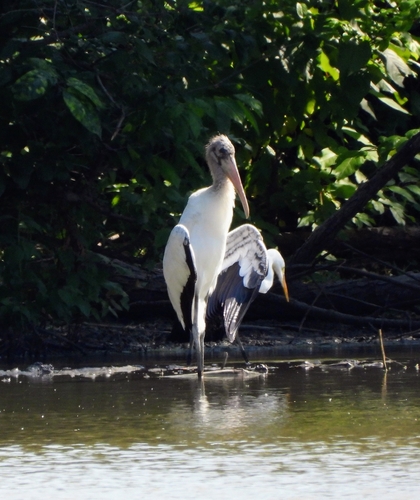 Wood Stork
In breve
Il Jabiru e il Wood Stork possono essere distinti dalla loro forma del becco e dalla colorazione della testa. Il Jabiru ha un grande becco nero e una testa nera nuda con una distintiva sacca rossa alla gola, mentre il Wood Stork ha una testa scura e squamosa e un becco lungo e leggermente ricurvo.
Consigli di identificazione
Cerca la sacca rossa alla gola del Jabiru e il suo grande becco nero. Il Wood Stork ha una testa scura e squamosa e un becco leggermente ricurvo. Osserva il comportamento alimentare: i Jabiru si nutrono spesso in gruppi, mentre i Wood Stork sono più solitari.
Piumaggio
Il Jabiru ha un corpo per lo più bianco con nero nelle ali, mentre il Wood Stork presenta piume delle ali e della coda scure e iridescenti. La sacca rossa alla gola del Jabiru è una caratteristica distintiva chiave.
Comportamento
Entrambe le specie sono alimentatori tattili, ma il Jabiru si nutre spesso in gruppi e può cooperare per radunare i pesci, mentre il Wood Stork si nutre tipicamente da solo o in piccoli gruppi.
Habitat
Il Jabiru si trova in ampie paludi e acquitrini dal Messico al nord dell'Argentina, mentre il Wood Stork abita principalmente le zone umide nel sud-est degli Stati Uniti.