
Lavender Waxbill vs Black-rumped Waxbill
Glaucestrilda caerulescens contro Estrilda troglodytes
Fai un quiz con Lavender Waxbill e Black-rumped Waxbill
 Lavender Waxbill
 Black-rumped Waxbill
In breve
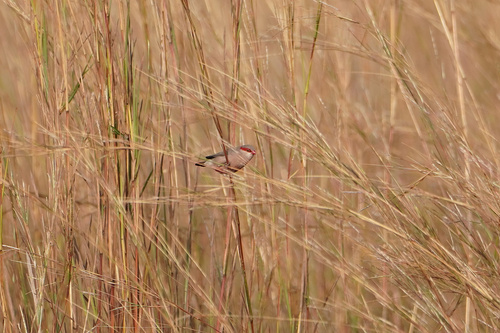
Il Lavender Waxbill e il Black-rumped Waxbill possono essere distinti principalmente per il colore del loro posteriore. Il Lavender Waxbill ha un posteriore di colore lavanda, mentre il Black-rumped Waxbill presenta un posteriore nero distintivo. Entrambe le specie condividono una struttura simile, piccola e simile a quella di un fringuello.
Consigli di identificazione
Concentrati sul colore del posteriore: lavanda per il Lavender Waxbill e nero per il Black-rumped Waxbill. Questo è il segno di campo più affidabile per distinguere queste due specie.
Piumaggio
Il Lavender Waxbill ha un posteriore di colore lavanda, mentre il Black-rumped Waxbill ha un posteriore nero. Entrambe le specie hanno una colorazione generale del corpo simile, ma il posteriore è una caratteristica distintiva chiave.
Lavender Waxbill · Black-rumped Waxbill · I miei uccelli difficili