Birdr

Cincia bigia vs Cinciarella

Poecile palustris contro Cyanistes caeruleus

Fai un quiz con Cincia bigia e Cinciarella
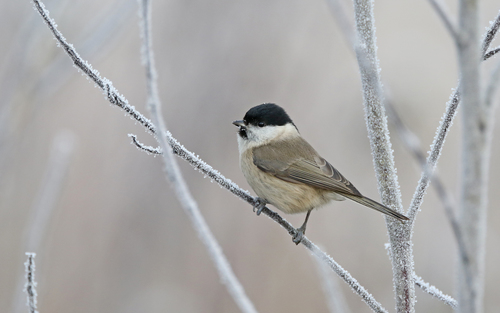
Cincia bigia (Poecile palustris) Cincia bigia
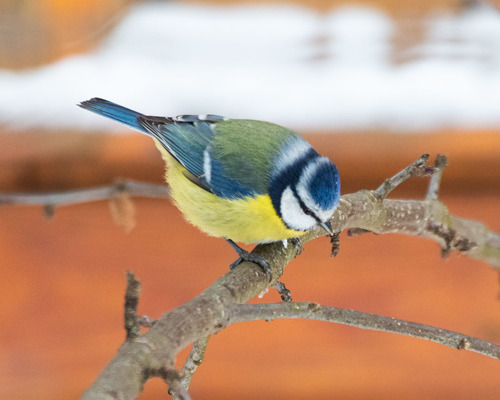
Cinciarella (Cyanistes caeruleus) Cinciarella

Media

Caricamento…

In breve

La Cincia bigia e la Cinciarella possono essere distinte dal colore della testa e dalle preferenze di habitat. La Cincia bigia ha un cappuccio e una nuca neri, mentre la Cinciarella presenta una corona blu e un volto bianco con una striscia scura attorno all'occhio. Entrambe le specie sono piccole, ma il loro piumaggio e gli habitat preferiti offrono indizi di identificazione affidabili.

Consigli di identificazione

Cerca il cappuccio nero della Cincia bigia rispetto alla corona blu e al volto bianco della Cinciarella. Considera l'habitat: le Cincie bigie preferiscono i boschi decidui, mentre le Cinciarella si trovano spesso in ambienti più vari, comprese le aree urbane.

Piumaggio

La Cincia bigia ha un cappuccio e una nuca neri, in contrasto con le guance e le parti inferiori chiare. Al contrario, la Cinciarella mostra una corona blu, un volto bianco con una striscia scura attorno all'occhio e un ventre giallo. Queste differenze nel colore della testa e del corpo sono caratteristiche distintive chiave.

Habitat

La Cincia bigia si trova tipicamente nei boschi decidui, mentre la Cinciarella è più versatile, abitante di boschi decidui di pianura e submontani, cespugli, frutteti, parchi e persino giardini cittadini.

Invia una descrizione migliore

Usa le stesse sezioni del confronto. Il testo viene pubblicato subito.

The Marsh Tit and Eurasian Blue Tit can be distinguished by their head coloration and habitat preferences. The Marsh Tit has a black cap and nape, while the Eurasian Blue Tit features a blue crown and white face with a dark eye stripe. Both species are small, but their plumage and preferred habitats offer reliable identification cues.

Look for the black cap of the Marsh Tit versus the blue crown and white face of the Eurasian Blue Tit. Consider the habitat: Marsh Tits prefer deciduous woodlands, whereas Eurasian Blue Tits are often found in more varied environments, including urban areas.

The Marsh Tit has a black cap and nape, contrasting with its pale cheeks and underparts. In contrast, the Eurasian Blue Tit displays a blue crown, white face with a dark eye stripe, and a yellow underbelly. These differences in head and body coloration are key distinguishing features.

The Marsh Tit is typically found in deciduous woodlands, while the Eurasian Blue Tit is more versatile, inhabiting lowland and submontane deciduous woodlands, thickets, orchards, parks, and even city gardens.

Scartare le modifiche?

Hai modifiche non salvate. Se esci ora, andranno perse.

Cincia bigia · Cinciarella · I miei uccelli difficili