
Anatra muta vs Fistione beccorosa
Cairina moschata contro Netta peposaca
Fai un quiz con Anatra muta e Fistione beccorosa
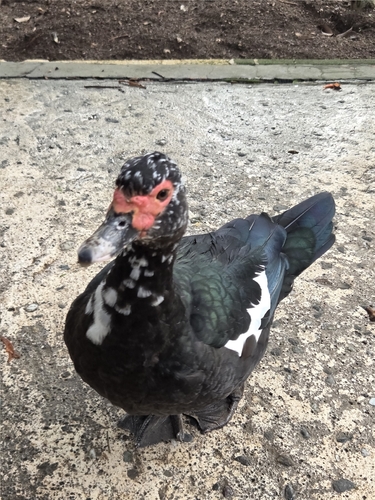 Anatra muta
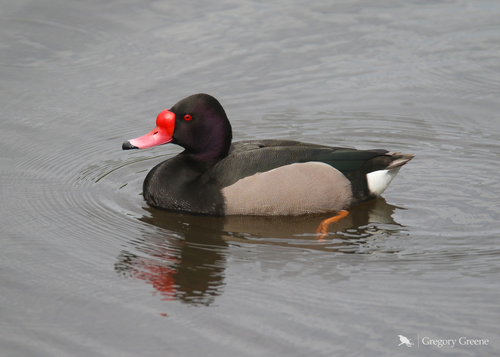 Fistione beccorosa
In breve
L'Anatra muta è significativamente più grande del Fistione beccorosa, con un comportamento arboreo distintivo. Al contrario, il Fistione beccorosa è un'anatra tuffatrice che si trova esclusivamente in habitat d'acqua dolce con vegetazione emergente.
Consigli di identificazione
- Size: Le Anatre mute sono molto più grandi.
- Behavior: Cerca le Anatre mute sugli alberi o nelle cavità degli alberi, mentre i Fistioni beccorosa tufferanno in acqua.
- Habitat: I Fistioni beccorosa si trovano sempre in acqua dolce con vegetazione emergente.
Taglia
Le Anatre mute sono significativamente più grandi dei Fistioni beccorosa.
Comportamento
Le Anatre mute sono parzialmente arboricole, si posano sugli alberi e nidificano nelle cavità degli alberi. I Fistioni beccorosa sono anatre tuffatrici.
Habitat
Le Anatre mute possono essere trovate in una varietà di habitat, mentre i Fistioni beccorosa sono limitati a ambienti d'acqua dolce con vegetazione emergente.