
Luì di Pallas vs Luì di Radde
Phylloscopus proregulus contro Phylloscopus schwarzi
Fai un quiz con Luì di Pallas e Luì di Radde
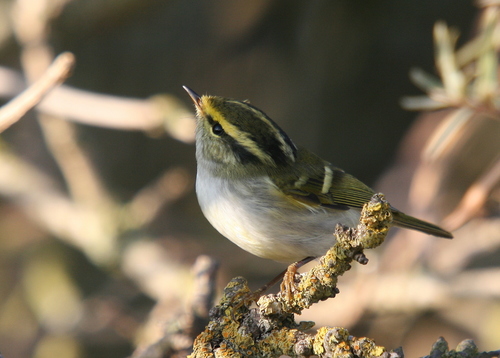 Luì di Pallas
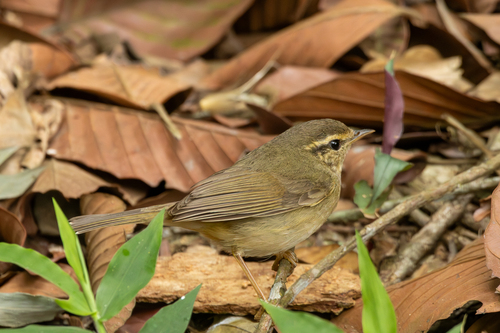 Luì di Radde
In breve
Il Luì di Pallas e il Luì di Radde possono essere distinti dal loro comportamento e dalle preferenze di habitat. Il Luì di Pallas è più attivo e spesso si trova sugli alberi, mentre il Luì di Radde cerca cibo in vegetazione densa e bassa con un modo deliberato e pesante. Entrambe le specie appartengono al genere Phylloscopus, ma i loro comportamenti e habitat differenti sono fondamentali per l'identificazione.
Consigli di identificazione
Behavior: Cerca il Luì di Pallas sugli alberi, muovendosi rapidamente, mentre il Luì di Radde è più probabile che si trovi a terra in vegetazione densa. Habitat: Il Luì di Radde si trova spesso in aree aperte con vegetazione bassa, specialmente nel sud-est asiatico.
Comportamento
Il Luì di Pallas è attivo e spesso visto muoversi rapidamente tra gli alberi, mentre il Luì di Radde cerca cibo in modo deliberato e pesante attraverso una copertura fitta, muovendo frequentemente la coda e le ali.
Habitat
Il Luì di Radde preferisce aree aperte con vegetazione bassa e densa, spesso nel sud-est asiatico durante la stagione non riproduttiva. Il Luì di Pallas si trova tipicamente in ambienti più arborei.