
Gambecchio collorosso vs Gambecchio semipalmato
Calidris ruficollis contro Calidris pusilla
Fai un quiz con Gambecchio collorosso e Gambecchio semipalmato
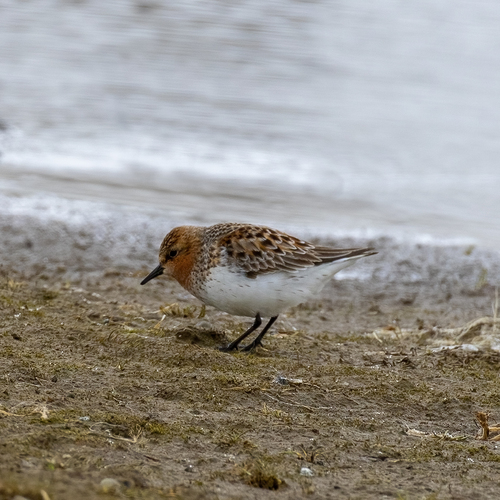 Gambecchio collorosso
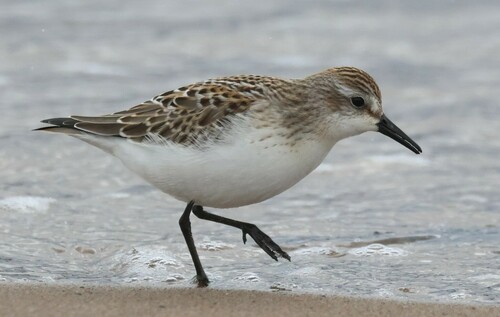 Gambecchio semipalmato
In breve
Gambecchio collorosso e Gambecchio semipalmato sono entrambi piccoli uccelli costieri con zampe scure che possono essere estremamente difficili da separare, specialmente in piumaggi non riproduttivi o giovanili. Il segno di campo più affidabile è la presenza di parziale membrana tra le dita nel Gambecchio semipalmato, che il Gambecchio collorosso non ha, ma questo è raramente visibile senza viste ravvicinate o foto. Sul campo, concentrati sulla forma e lunghezza del becco, lunghezza delle zampe e differenze sottili nella struttura e movimento. Il Gambecchio collorosso in riproduzione mostra un distintivo petto arancione e una V bianca sulla schiena, ma la maggior parte della confusione sorge in piumaggi più opachi, dove è necessaria un'attenta attenzione a dimensioni, becco e proiezione primaria.
Consigli di identificazione
- Toe webbing: Gambecchio semipalmato ha parziale membrana tra le basi delle dita; Gambecchio collorosso non ha. Questo è il segno più definitivo ma richiede viste ravvicinate o foto dei piedi.
- Bill shape and length: Gambecchio collorosso ha un becco fine, sottile e dritto con una punta delicata; il becco del Gambecchio semipalmato è corto, robusto e dritto, spesso apparendo più smussato e spesso. Questa differenza è sottile ma importante, specialmente nelle viste di profilo.
- Leg length: Gambecchio collorosso ha zampe più corte rispetto al Gambecchio semipalmato. In confronto diretto, cerca una postura più bassa e orizzontale nel Gambecchio collorosso.
- Primary projection: Gambecchio collorosso ha una proiezione primaria più lunga (punta delle ali che si estende ben oltre la coda) rispetto al Gambecchio semipalmato. Questo fa apparire il Gambecchio collorosso più allungato e meno compatto quando è a riposo.
- Breeding plumage: Solo il Gambecchio collorosso mostra un petto arancione non striato e una V bianca sulla schiena, bordata sotto da segni scuri. Il Gambecchio semipalmato non mostra mai questa combinazione.
- Juvenile upperparts: Il giovane Gambecchio collorosso ha piume del mantello più contrastanti e linee bianche più deboli lungo la schiena rispetto al giovane Gambecchio semipalmato. Cerca un aspetto croccante e squamoso nei giovani Gambecchi collorosso.
- Non-breeding/winter plumage: Entrambe le specie diventano grigio-marroni uniformi sopra e bianchi sotto, ma il Gambecchio collorosso tende ad apparire più pulito, con meno striature sul petto e sui fianchi rispetto al Gambecchio semipalmato.
- Face pattern: Sottile e non sempre affidabile, ma il Gambecchio collorosso può mostrare un volto leggermente più semplice, mentre il Gambecchio semipalmato può mostrare un leggero sopracciglio e segni della testa più diffusi.
- Movement and jizz: Gambecchio collorosso è spesso descritto come più veloce e più frenetico nella sua azione di alimentazione, mentre il Gambecchio semipalmato è più stabile e robusto. Usa questo solo come prova di supporto.
- Size: Gambecchio collorosso è leggermente più piccolo e leggero, ma c'è sovrapposizione; usa solo in confronto diretto.
- Location and context: In Nord America, un gambecchio tra i Gambecchi semipalmati è probabile che sia un Gambecchio collorosso vagante; in Australasia, il contrario è vero. Conferma sempre con segni strutturali e di piumaggio.
- Call: Gambecchio collorosso emette un rauco "stit"; il richiamo del Gambecchio semipalmato non è distintivo in questo contesto.
- Flock association: Entrambe le specie possono mescolarsi con altri piccoli Calidris, quindi la composizione del gruppo non è diagnostica.
- Sex and age: Nessun forte dimorfismo sessuale; concentrati sul piumaggio e sulla struttura legati all'età come sopra.
- Pitfalls: Fai attenzione ai giovani opachi e agli uccelli non in riproduzione, dove la maggior parte dei segni è sottile e l'overlap è alto. Dai priorità a becco, membrana delle dita e proiezione primaria quando possibile.
Taglia
Entrambe le specie sono tra i più piccoli uccelli costieri, ma il Gambecchio collorosso è leggermente più piccolo e più delicato nel complesso. Il Gambecchio collorosso misura 13–17 cm di lunghezza con una massa tipica di circa 26 g [wikidata], mentre il Gambecchio semipalmato è lungo 15–18 cm e può pesare fino a 51,5 g [wikipedia]. In gruppi misti, il Gambecchio collorosso può apparire leggermente più corto di zampe e più compatto, ma l'overlap di dimensioni è considerevole e non sempre affidabile per singoli uccelli.
Piumaggio
I piumaggi giovanili e non riproduttivi sono spesso confusi. Il giovane Gambecchio collorosso mostra piume del mantello più contrastanti e linee bianche più deboli lungo la schiena rispetto al Gambecchio semipalmato di età simile. L'adulto in riproduzione del Gambecchio collorosso è unico tra questi due per il suo petto arancione non striato e una V bianca sul mantello, bordata sotto da segni scuri—caratteristiche non mostrate dal Gambecchio semipalmato. In inverno, entrambe le specie diventano grigio-marroni opachi sopra e bianchi sotto, ma il Gambecchio collorosso tende ad apparire più pulito e più chiaro, con meno striature sul petto e sui fianchi. Il Gambecchio semipalmato in tutti i piumaggi ha un becco corto, robusto e dritto, e le parti superiori sono di un grigio-marrone scuro con un lavaggio grigio-marrone chiaro sulla testa e sul collo. La membrana tra le dita è una differenza strutturale, non un segno di piumaggio, ma è un punto chiave di separazione se visibile.
Comportamento
Il Gambecchio collorosso è descritto come più veloce e più attivo, spesso alimentandosi con movimenti rapidi e veloci. Il Gambecchio semipalmato cerca anche attivamente, ma può apparire leggermente più robusto e meno frenetico. Entrambe le specie sono altamente gregarie e possono formare grandi gruppi misti con altri piccoli Calidris, quindi il comportamento da solo è raramente diagnostico ma può aggiungere contesto quando combinato con altri segni.
Habitat
Il Gambecchio collorosso nidifica nel nord-est della Russia e sverna lungo le coste del sud-est asiatico e dell'Australasia, mentre il Gambecchio semipalmato nidifica nella tundra meridionale del Canada e dell'Alaska e sverna nelle coste del Sud America, nel sud degli Stati Uniti e nei Caraibi. Entrambe le specie utilizzano le zone umide costiere e le pianure fangose durante la migrazione e in inverno. In Nord America, il Gambecchio collorosso è un raro vagante, mentre il Gambecchio semipalmato è comune. In Australasia, il contrario è vero.
Voce
Il Gambecchio collorosso emette un richiamo rauco "stit". Non sono notate differenze vocali distintive per il Gambecchio semipalmato nelle fonti fornite, e la voce non è un segno di campo affidabile per separare questi due nella maggior parte delle situazioni di campo.
Gambecchio collorosso · Gambecchio semipalmato · I miei uccelli difficili