
Rufous-and-white Wren vs Canebrake Wren
Thryophilus rufalbus contro Cantorchilus zeledoni
Fai un quiz con Rufous-and-white Wren e Canebrake Wren
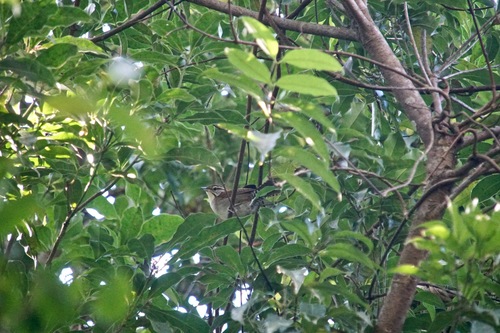 Rufous-and-white Wren
 Canebrake Wren
In breve
Il Rufous-and-white Wren e il Canebrake Wren possono essere distinti dalla loro livrea e dalle preferenze di habitat. Il Rufous-and-white Wren mostra tipicamente toni rufous più pronunciati nelle sue parti superiori, mentre il Canebrake Wren ha una colorazione più sobria. L'habitat può anche essere un indizio, poiché queste specie preferiscono ambienti diversi.
Consigli di identificazione
Controlla la colorazione della livrea: Cerca i toni rufous più pronunciati nelle parti superiori del Rufous-and-white Wren. Considera l'habitat: Nota l'ambiente circostante; aree più secche e aperte possono indicare il Rufous-and-white Wren, mentre cespugli densi e umidi suggeriscono il Canebrake Wren.
Piumaggio
Il Rufous-and-white Wren ha una colorazione rufous più pronunciata nelle sue parti superiori rispetto al Canebrake Wren, che tende ad avere una palette di colori più sobria e meno vivace.
Habitat
Il Rufous-and-white Wren si trova spesso in habitat più aperti e secchi, mentre il Canebrake Wren preferisce ambienti più densi e umidi come canebrakes e cespugli.
Rufous-and-white Wren · Canebrake Wren · I miei uccelli difficili