
Piovanello tridattilo vs Red-throated Wryneck
Calidris alba contro Jynx ruficollis
Fai un quiz con Piovanello tridattilo e Red-throated Wryneck
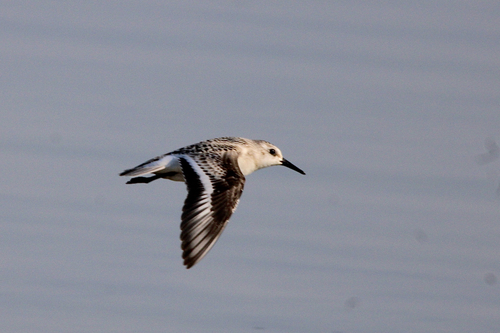 Piovanello tridattilo
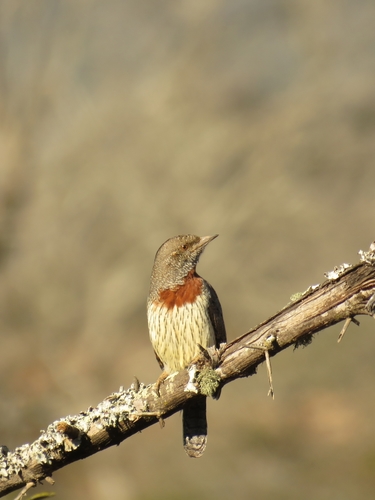 Red-throated Wryneck
In breve
Il Piovanello tridattilo e il Red-throated Wryneck sono facilmente distinguibili per la loro struttura e le preferenze di habitat. I Piovanelli tridattili sono piccoli uccelli costieri con becchi e zampe corte, spesso visti correre lungo le spiagge sabbiose, mentre i Red-throated Wrynecks sono uccelli simili a picchi con una distintiva gola rugginosa, tipicamente trovati in aree boschive.
Consigli di identificazione
Controlla prima l'habitat: Piovanelli tridattili sulle spiagge, Red-throated Wrynecks nei boschi. Guarda la struttura: I Piovanelli tridattili sono piccoli uccelli costieri tozzi; i Red-throated Wrynecks somigliano a picchi con colli e becchi più lunghi. Nota il piumaggio: I Piovanelli tridattili sono chiari e sabbiosi, i Red-throated Wrynecks hanno una gola rugginosa.
Taglia
I Piovanelli tridattili sono piccoli uccelli costieri, generalmente più compatti del Red-throated Wryneck simile a un picchio.
Piumaggio
I Piovanelli tridattili hanno un piumaggio chiaro e sabbioso con un lato inferiore bianco, mentre i Red-throated Wrynecks presentano una gola rugginosa e un piumaggio più criptico e marrone.
Comportamento
I Piovanelli tridattili sono spesso visti in gruppi, correndo lungo le spiagge e cercando cibo nella sabbia. I Red-throated Wrynecks sono più solitari, arrampicandosi sui tronchi e sui rami degli alberi in cerca di insetti.
Habitat
I Piovanelli tridattili si trovano tipicamente su spiagge sabbiose e aree costiere, mentre i Red-throated Wrynecks abitano aree boschive e savane.
Piovanello tridattilo · Red-throated Wryneck · I miei uccelli difficili