
Prispolone vs Pispola golarossa
Anthus trivialis contro Anthus cervinus
Fai un quiz con Prispolone e Pispola golarossa
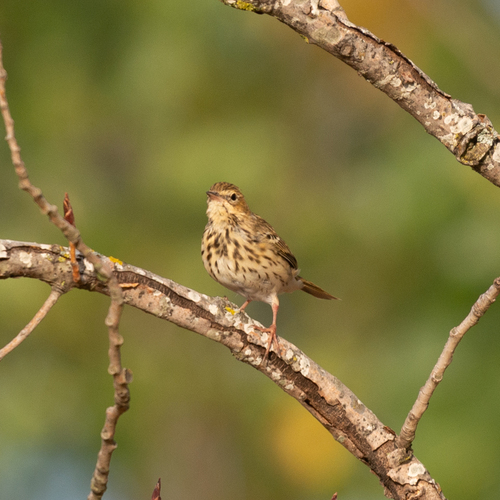 Prispolone
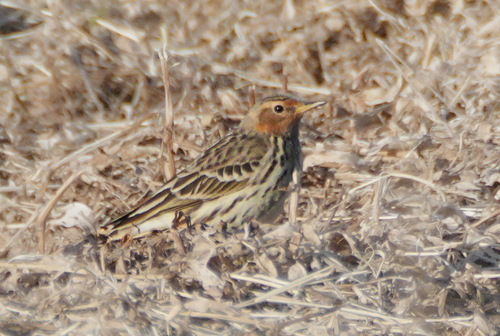 Pispola golarossa
In breve
Il Prispolone e la Pispola golarossa possono essere distinti dalla loro livrea e vocalizzazioni. Il Prispolone ha un tono più olivastro sopra e un sopracciglio più marcato, mentre la Pispola golarossa è nota per la sua distintiva gola rossa durante la stagione di nidificazione. Anche i loro richiami differiscono, con il Prispolone che ha una serie di trilli e note ripetute, e la Pispola golarossa che manca di questa specifica descrizione.
Consigli di identificazione
1. Cerca la gola rossa nei Prispoloni in fase di nidificazione. 2. Nota il tono olivastro e il sopracciglio marcato nei Prispoloni. 3. Ascolta il canto trillante del Prispolone, che termina con note 'seee-er'.
Piumaggio
Il Prispolone ha un tono olivastro sopra con un sopracciglio più marcato e striature più sottili sui fianchi. La Pispola golarossa è notevole per la sua gola rossa durante la stagione di nidificazione, che è una caratteristica distintiva chiave.
Voce
Il Prispolone ha una serie di trilli e note ripetute, che terminano con un suono 'seee-er', mentre le vocalizzazioni della Pispola golarossa non sono dettagliate qui.