
White-flanked Antwren vs Dot-winged Antwren
Myrmotherula axillaris contro Microrhopias quixensis
Fai un quiz con White-flanked Antwren e Dot-winged Antwren
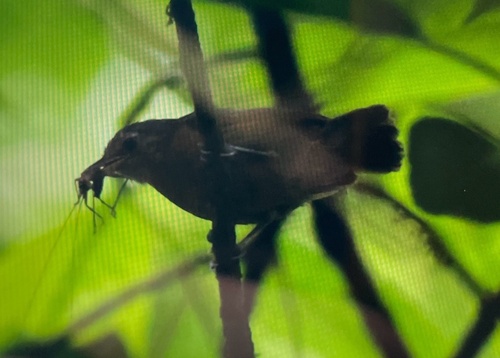 White-flanked Antwren
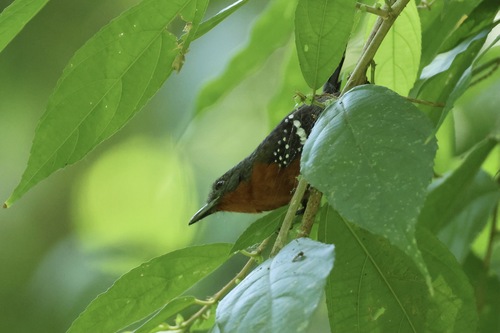 Dot-winged Antwren
In breve
Il White-flanked Antwren è meglio identificabile per il suo comportamento nervoso di sbattere le ali per rivelare evidenti macchie bianche ai fianchi, mentre il Dot-winged Antwren mostra differenze di piumaggio più sottili ed è meno probabile trovarlo nell'interno delle foreste primarie. Entrambe le specie si uniscono a stormi misti, ma differiscono nei loro strati forestali preferiti.
Consigli di identificazione
Cerca il comportamento di sbattere le ali del White-flanked Antwren che rivela i fianchi bianchi. Nota la preferenza del Dot-winged Antwren per gli habitat di medio strato e la sua presenza meno frequente negli interni delle foreste primarie.
Piumaggio
Il White-flanked Antwren ha evidenti macchie bianche sui fianchi, particolarmente visibili quando sbatte le ali. Il piumaggio del Dot-winged Antwren varia geograficamente, ma non ha le stesse distintive macchie bianche ai fianchi.
Comportamento
I White-flanked Antwrens spesso sbattono le ali, rivelando i loro fianchi bianchi, e sono più costantemente associati a stormi misti. I Dot-winged Antwrens si uniscono anch'essi a stormi misti, ma sono altrettanto probabili da osservare da soli o in coppie.
Habitat
I White-flanked Antwrens abitano il sottobosco delle foreste di pianura, mentre i Dot-winged Antwrens si trovano nel medio strato delle foreste di pianura e delle colline, inclusi gli alti secondi sviluppi, e raramente si trovano nell'interno delle foreste primarie.
White-flanked Antwren · Dot-winged Antwren · I miei uccelli difficili