
Indische karekiet vs Ceylonese struikzanger
Acrocephalus stentoreus versus Elaphrornis palliseri
Speel een quiz met Indische karekiet en Ceylonese struikzanger
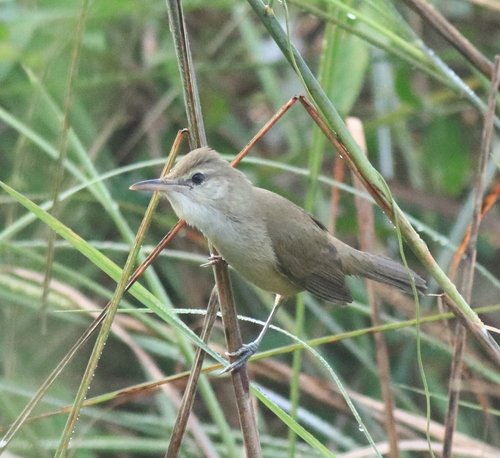 Indische karekiet
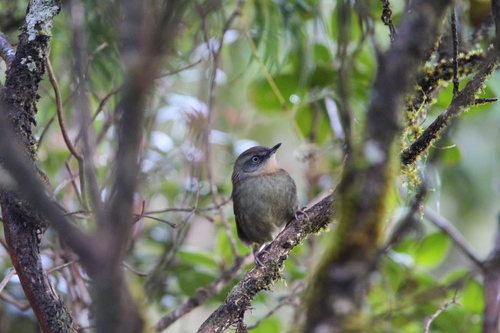 Ceylonese struikzanger
Kort gezegd
De Indische karekiet en de Ceylonese struikzanger verschillen aanzienlijk in habitat en gedrag. De Indische karekiet wordt typisch aangetroffen in rietvelden en moerassen, terwijl de Ceylonese struikzanger zich bevindt in de dichte, donkere ondergroei van nevelwouden. Deze habitatvoorkeuren zijn essentieel om ze in het veld te onderscheiden.
Herkenningstips
Habitat: Controleer eerst het habitat; Indische karekiet in rietvelden, Ceylonese struikzanger in nevelwouden. Gedrag: Let op het muisachtige gedrag van de Ceylonese struikzanger in de dichte ondergroei. Vocalisatie: Luister naar het minder opvallende 'chwrip...chwrip...' van de Ceylonese struikzanger.
Verenkleed
De Indische karekiet heeft een meer typische Acrocephalus-uiterlijk, terwijl de Ceylonese struikzanger zich mengt in de dichte en donkere ondergroei van nevelwouden, wat wijst op een meer gedempte en gecamoufleerde pluimage.
Gedrag
De Ceylonese struikzanger vertoont een bijna muisachtig levensstijl, waardoor hij moeilijk te spotten is door zijn onopvallende gedrag in de dichte ondergroei van het bos.
Habitat
De Indische karekiet wordt aangetroffen in rietvelden en moerassen, terwijl de Ceylonese struikzanger beperkt is tot de dichte, donkere ondergroei van nevelwouden in Sri Lanka.
Geluid
De roep van de Ceylonese struikzanger wordt beschreven als minder opvallend, met een 'chwrip...chwrip...' geluid, in contrast met de meer vocale Indische karekiet.
Indische karekiet · Ceylonese struikzanger · Mijn lastige vogels