
painho-da-ilha-da-madeira vs blue-gray gnatcatcher
Hydrobates castro versus Polioptila caerulea
Jogue um quiz com painho-da-ilha-da-madeira e blue-gray gnatcatcher
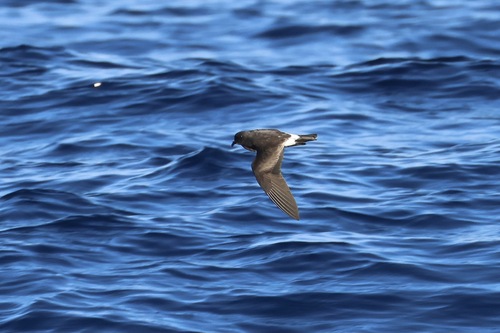 painho-da-ilha-da-madeira
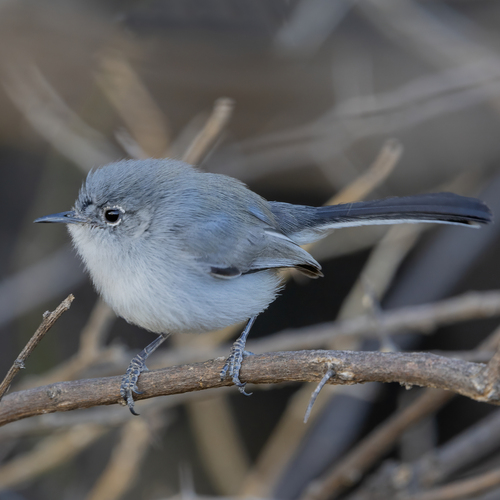 blue-gray gnatcatcher
Em resumo
O painho-da-ilha-da-madeira e o blue-gray gnatcatcher são facilmente distinguidos por seus habitats e comportamentos. O painho é uma ave marinha com asas longas e pontudas e uma cauda recortada, enquanto o gnatcatcher é um pequeno pássaro cantor encontrado em áreas arborizadas com preferência por árvores de folhas largas.
Dicas de identificação
Habitat é o indicador mais confiável: procure o painho-da-ilha-da-madeira no mar e o blue-gray gnatcatcher em áreas arborizadas. Formato das asas também é fundamental: o painho tem asas longas e pontudas, enquanto o gnatcatcher tem asas mais curtas.
Tamanho
O painho-da-ilha-da-madeira é uma pequena ave marinha, mas maior que o diminuto blue-gray gnatcatcher.
Plumagem
O painho-da-ilha-da-madeira tem plumagem mais escura com partes inferiores mais claras, enquanto o blue-gray gnatcatcher tem coloração azul-cinza.
Comportamento
O painho-da-ilha-da-madeira é noturno em colônias e se alimenta capturando presas da superfície do oceano. Em contraste, o blue-gray gnatcatcher é um alimentador ativo, coletando insetos da folhagem e capturando-os pairando.
Habitat
O painho-da-ilha-da-madeira é encontrado sobre o oceano e se reproduz em ilhas remotas, enquanto o blue-gray gnatcatcher habita áreas arborizadas, frequentemente perto de bordas de habitat.
Voz
O blue-gray gnatcatcher tem chamadas e canções agudas e nasais, enquanto não há informações específicas de vocalização fornecidas para o painho-da-ilha-da-madeira.
painho-da-ilha-da-madeira · blue-gray gnatcatcher · Minhas aves difíceis