
pernilongo-de-costas-negras/de-costas-brancas vs piru-piru
Himantopus mexicanus versus Haematopus palliatus
Jogue um quiz com pernilongo-de-costas-negras/de-costas-brancas e piru-piru
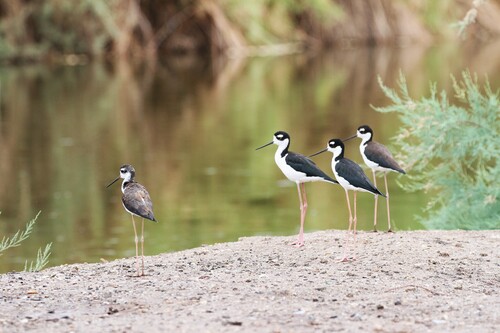 pernilongo-de-costas-negras/de-costas-brancas
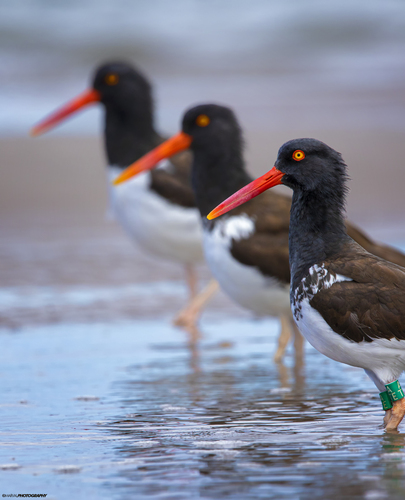 piru-piru
Em resumo
O pernilongo-de-costas-negras e o piru-piru são ambos aves de praia, mas diferem significativamente em aparência e preferência de habitat. O pernilongo-de-costas-negras é caracterizado por suas pernas longas e finas e plumagem contrastante em preto e branco, enquanto o piru-piru é maior, com um bico longo e brilhante, laranja, e partes superiores marrons escuras. O pernilongo é mais comumente encontrado em habitats de água doce, enquanto o piru-piru é restrito a ambientes marinhos.
Dicas de identificação
- Procure pelas pernas longas e finas e pela plumagem preta e branca do pernilongo-de-costas-negras.
- Note o tamanho grande, as partes superiores marrons escuras e o bico laranja brilhante do piru-piru.
- Considere o habitat: os pernilongos são encontrados em áreas de água doce, enquanto os piru-pirus estão em ambientes marinhos.
Tamanho
O piru-piru é maior e mais robusto que o pernilongo-de-costas-negras.
Plumagem
O pernilongo-de-costas-negras tem uma plumagem impressionante em preto e branco, com um ventre branco e partes superiores pretas. Em contraste, o piru-piru tem partes superiores marrons escuras e um ventre branco, com uma faixa branca ousada visível durante o voo.
Habitat
O pernilongo-de-costas-negras é tipicamente encontrado em pântanos de água doce, enquanto o piru-piru é restrito a pântanos salgados costeiros e praias de areia.
pernilongo-de-costas-negras/de-costas-brancas · piru-piru · Minhas aves difíceis