
blue-winged goose vs mariquita-de-mascarilha
Cyanochen cyanoptera versus Geothlypis trichas
Jogue um quiz com blue-winged goose e mariquita-de-mascarilha
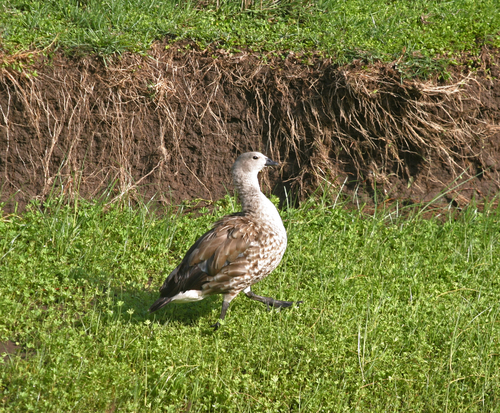 blue-winged goose
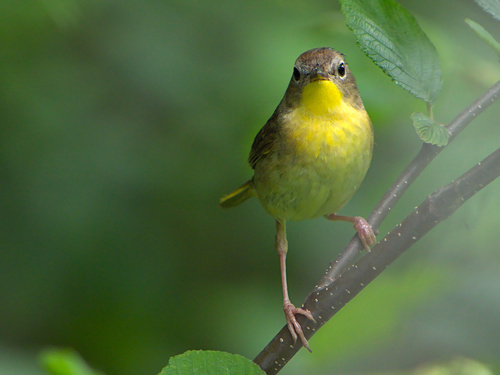 mariquita-de-mascarilha
Em resumo
A ganso-de-asas-azuis e a mariquita-de-mascarilha são facilmente distinguidos pelo tamanho e habitat. O ganso-de-asas-azuis é uma ave aquática grande, tipicamente encontrada em áreas úmidas, enquanto a mariquita-de-mascarilha é uma ave pequena, semelhante a um pisco, frequentemente vista em pântanos e vegetação densa.
Dicas de identificação
Tamanho e habitat são as marcas de campo mais confiáveis: o ganso-de-asas-azuis é grande e encontrado em áreas úmidas; a mariquita-de-mascarilha é pequena e encontrada em pântanos.
Tamanho
O ganso-de-asas-azuis é significativamente maior que a mariquita-de-mascarilha.
Habitat
O ganso-de-asas-azuis é encontrado em áreas úmidas, enquanto a mariquita-de-mascarilha prefere pântanos e vegetação densa.
blue-winged goose · mariquita-de-mascarilha · Minhas aves difíceis