
debulhador vs long-billed thrasher
Toxostoma rufum versus Toxostoma longirostre
Jogue um quiz com debulhador e long-billed thrasher
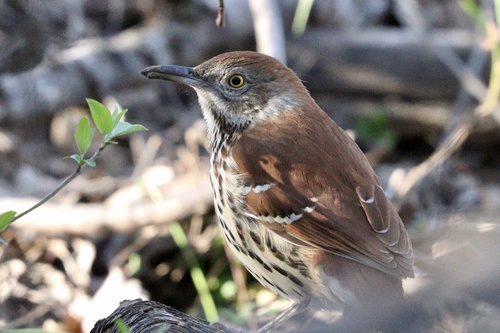 debulhador
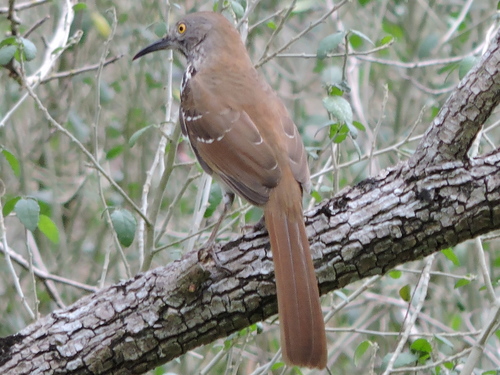 long-billed thrasher
Em resumo
O debulhador e o long-billed thrasher são semelhantes em aparência, mas podem ser distinguidos por sua distribuição e preferências de habitat. O debulhador é encontrado no leste dos EUA e é mais migratório, enquanto o long-billed thrasher é residente do sul do Texas e do leste do México. Ambas as espécies têm bicos longos e ligeiramente curvados, mas o bico do long-billed thrasher é notavelmente mais longo.
Dicas de identificação
- Localização: Debulhador no leste dos EUA; Long-billed Thrasher no sul do Texas e leste do México.
- Comprimento do Bico: O long-billed thrasher tem um bico notavelmente mais longo.
- Habitat: Debulhador nas bordas de florestas decíduas; Long-billed Thrasher em matas densas.
Comportamento
Ambas as espécies forrageiam no chão por insetos e frutas, mas o long-billed thrasher é mais propenso a ser visto cantando de poleiros conspícuos durante a temporada de reprodução.
Habitat
O debulhador habita arbustos e cercas em clareiras de florestas decíduas no leste dos EUA, enquanto o long-billed thrasher é encontrado em habitats arbustivos densos no sul do Texas e leste do México.
Voz
O debulhador é conhecido por seu grande repertório de canções, embora não seja tão reconhecido quanto o tordo-imitador. O long-billed thrasher também canta durante a temporada de reprodução, principalmente para defesa de território.