
noitibó-cinzento vs frango-d'água
Caprimulgus europaeus versus Rallus aquaticus
Jogue um quiz com noitibó-cinzento e frango-d'água
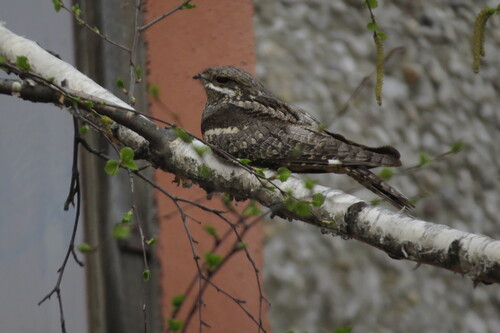 noitibó-cinzento
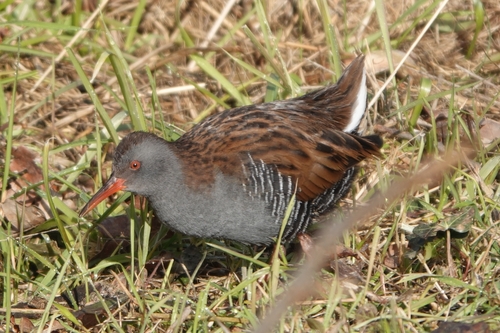 frango-d'água
Em resumo
O noitibó-cinzento e o frango-d'água são facilmente distinguidos por sua estrutura e preferências de habitat. O noitibó-cinzento é uma ave com plumagem críptica e manchas brancas nas asas e cauda dos machos, enquanto o frango-d'água é uma ave com um estilo de vida mais aquático. Seus habitats raramente se sobrepõem, tornando a localização um identificador chave.
Dicas de identificação
Procure as manchas brancas nas asas e cauda dos machos de noitibó-cinzento. Considere o habitat: noitibós-cinzentos em áreas abertas, frangos-d'água perto da água. Note que os noitibós-cinzentos têm coloração críptica para camuflagem, enquanto os frangos-d'água têm coloração mais uniforme para ambientes de pântano.
Plumagem
Os machos de noitibó-cinzento têm manchas brancas nas primárias e cauda, que estão ausentes nas fêmeas. O frango-d'água não possui essas características e, em vez disso, tem uma plumagem mais uniforme adequada aos seus ambientes pantanosos.
Comportamento
Os noitibós-cinzentos põem ovos diretamente no chão e dependem da camuflagem, enquanto os frangos-d'água são mais secretos e frequentemente encontrados em juncos densos perto da água.
Habitat
Os noitibós-cinzentos são tipicamente encontrados em florestas abertas e áreas de urze, enquanto os frangos-d'água habitam pântanos e zonas úmidas.