Birdr

caburé vs coruja-buraqueira

Glaucidium brasilianum versus Athene cunicularia

Jogue um quiz com caburé e coruja-buraqueira
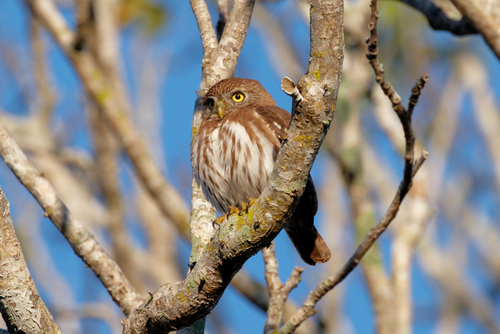
caburé (Glaucidium brasilianum) caburé
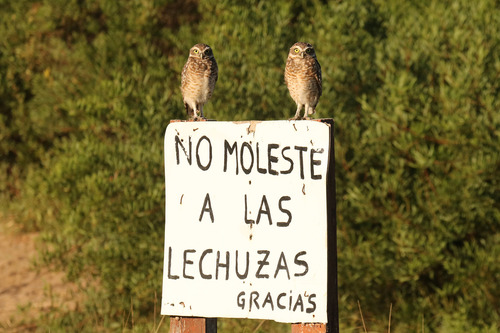
coruja-buraqueira (Athene cunicularia) coruja-buraqueira

Mídia

Carregando…

Em resumo

O caburé e a coruja-buraqueira são ambas corujas pequenas, mas podem ser distinguidas pelo tamanho e preferências de habitat. O caburé é menor e mais arbóreo, enquanto a coruja-buraqueira é maior e frequentemente encontrada no chão em áreas abertas.

Dicas de identificação

Procure o caburé em árvores e note seu tamanho menor. A coruja-buraqueira é frequentemente vista no chão em áreas abertas e é maior.

Tamanho

O caburé é menor que a coruja-buraqueira.

Comportamento

O caburé é mais arbóreo, frequentemente empoleirando-se em árvores, enquanto a coruja-buraqueira é mais terrestre, frequentemente vista no chão ou ao redor de tocas.

Habitat

Os caburés são tipicamente encontrados em áreas florestais, enquanto as corujas-buraqueiras preferem campos abertos e desertos.

Enviar uma descrição melhor

Use as mesmas seções da comparação. Seu texto é publicado na hora.

The Ferruginous Pygmy-Owl and the Burrowing Owl are both small owls, but they can be distinguished by their size and habitat preferences. The Ferruginous Pygmy-Owl is smaller and more arboreal, while the Burrowing Owl is larger and often found on the ground in open areas.

Look for the Ferruginous Pygmy-Owl in trees and note its smaller size. The Burrowing Owl is often seen on the ground in open areas and is larger.

The Ferruginous Pygmy-Owl is smaller than the Burrowing Owl.

The Ferruginous Pygmy-Owl is more arboreal, often perching in trees, whereas the Burrowing Owl is more terrestrial, frequently seen on the ground or around burrows.

Ferruginous Pygmy-Owls are typically found in wooded areas, while Burrowing Owls prefer open grasslands and deserts.

Descartar as alterações?

Você tem edições não salvas. Se sair agora, elas serão perdidas.

caburé · coruja-buraqueira · Minhas aves difíceis