
açor-palrador vs african marsh harrier
Micronisus gabar versus Circus ranivorus
Jogue um quiz com açor-palrador e african marsh harrier
 açor-palrador
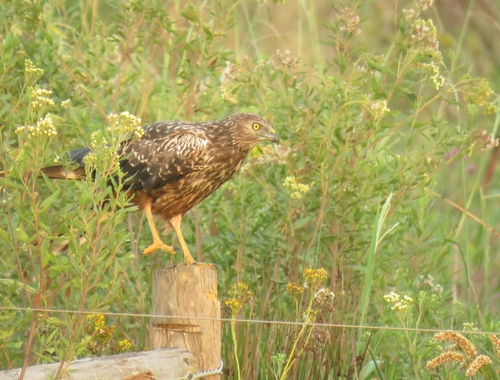 african marsh harrier
Em resumo
O açor-palrador é um pequeno rapinante compacto com uma cauda curta e asas arredondadas, enquanto o african marsh harrier é maior, com uma cauda longa e asas largas. Essas diferenças estruturais são as marcas de campo mais confiáveis. Ambas as espécies habitam ambientes diferentes, o que pode ajudar na identificação.
Dicas de identificação
Procure pela cauda curta e asas arredondadas do açor-palrador, especialmente em áreas de savana ou floresta. A cauda longa e as asas largas do african marsh harrier são mais adequadas para habitats de pântano.
Tamanho
O açor-palrador é menor e mais compacto em comparação com o maior african marsh harrier.
Habitat
O açor-palrador é frequentemente encontrado em savanas e florestas, enquanto o african marsh harrier está associado a áreas úmidas e pântanos.
açor-palrador · african marsh harrier · Minhas aves difíceis