
pato-colhereiro vs andorinha-do-barranco
Spatula clypeata versus Riparia riparia
Jogue um quiz com pato-colhereiro e andorinha-do-barranco
 pato-colhereiro
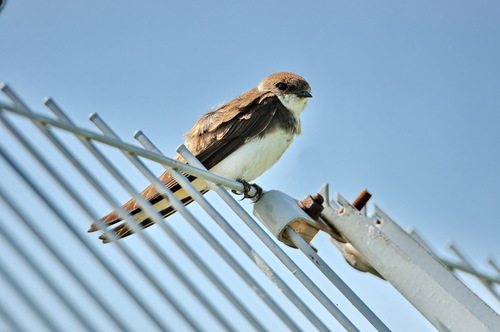 andorinha-do-barranco
Em resumo
O pato-colhereiro e a andorinha-do-barranco são facilmente distinguidos por sua estrutura: o pato-colhereiro tem um bico grande e distinto em forma de espátula, enquanto a andorinha-do-barranco é uma pequena andorinha com um corpo esguio e asas pontudas. Essas espécies diferem muito em preferência de habitat, com o pato-colhereiro preferindo áreas úmidas e a andorinha-do-barranco frequentemente vista perto de águas abertas e nidificando em bancos de areia.
Dicas de identificação
1. Forma do bico: Procure o grande bico em forma de espátula do pato-colhereiro em comparação com o pequeno bico pontudo da andorinha-do-barranco. 2. Tamanho e estrutura: Note o tamanho maior e o corpo robusto do pato-colhereiro em comparação com a forma pequena e esguia da andorinha. 3. Habitat: Observe o ambiente; os patos-colhereiros estão em áreas úmidas, enquanto as andorinhas-do-barranco estão perto de águas abertas e bancos de areia.
Tamanho
O pato-colhereiro é significativamente maior que a andorinha-do-barranco, com um corpo robusto em comparação com a forma pequena e aerodinâmica da andorinha.
Habitat
Os patos-colhereiros são tipicamente encontrados em áreas úmidas, pântanos e lagos rasos, enquanto as andorinhas-do-barranco são frequentemente vistas perto de águas abertas, especialmente rios e lagos, e nidificam em bancos de areia.
pato-colhereiro · andorinha-do-barranco · Minhas aves difíceis