
pato-colhereiro vs felosa-de-bico-grosso
Spatula clypeata versus Arundinax aedon
Jogue um quiz com pato-colhereiro e felosa-de-bico-grosso
 pato-colhereiro
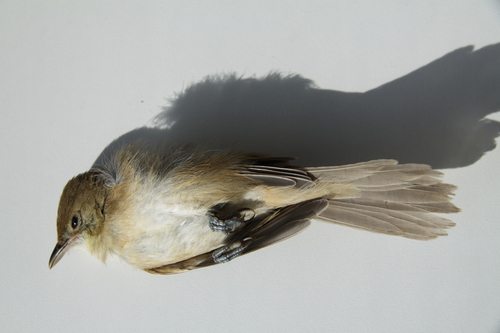 felosa-de-bico-grosso
Em resumo
A forma do bico é a marca de campo mais confiável: o pato-colhereiro tem um bico largo e distinto em forma de espátula, enquanto a felosa-de-bico-grosso tem um bico mais típico de felosa, que é mais fino e pontudo. Essas espécies não são intimamente relacionadas, tornando as diferenças estruturais fundamentais para a identificação.
Dicas de identificação
1. Forma do Bico: Procure pelo bico largo e em forma de espátula do pato-colhereiro em comparação com o bico fino e pontudo da felosa-de-bico-grosso. 2. Estrutura: Observe a estrutura geral do corpo; os patos-colhereiros são patos com um corpo mais robusto, enquanto as felosas são menores e mais esbeltas. 3. Contexto: Considere o habitat e a região, pois essas espécies provavelmente não serão encontradas nos mesmos ambientes.
pato-colhereiro · felosa-de-bico-grosso · Minhas aves difíceis