
águia-pescadora vs golden-breasted bunting
Pandion haliaetus versus Emberiza flaviventris
Jogue um quiz com águia-pescadora e golden-breasted bunting
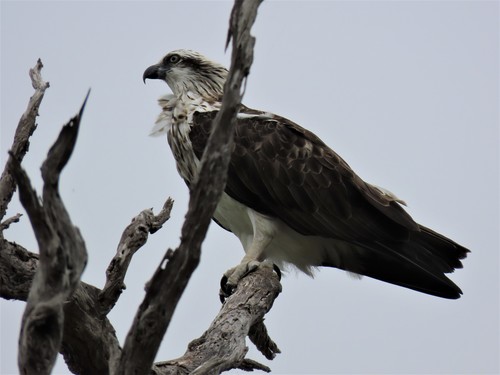 águia-pescadora
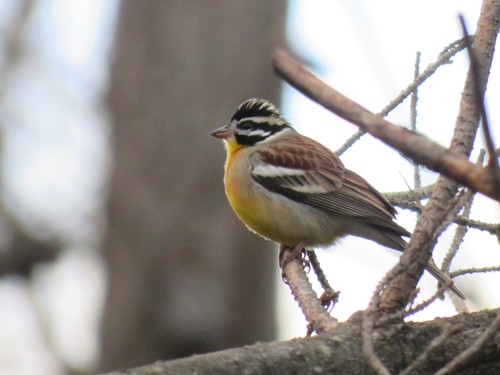 golden-breasted bunting
Em resumo
A águia-pescadora é um grande rapinante com um perfil de voo distinto em forma de M e plumagem contrastante em preto e branco, enquanto o golden-breasted bunting é um pequeno pássaro cantor colorido com um peito amarelo marcante. Essas espécies não estão intimamente relacionadas, tornando suas diferenças estruturais e comportamentais as marcas de campo mais confiáveis.
Dicas de identificação
Procure pelo grande tamanho da águia-pescadora e pelo perfil de voo distinto quando estiver perto da água. O peito amarelo brilhante do golden-breasted bunting e seu tamanho menor são identificadores-chave em florestas abertas.
Tamanho
A águia-pescadora é significativamente maior, com uma envergadura que pode exceder 1,5 metros, em comparação com o pequeno tamanho do golden-breasted bunting.
Plumagem
As águias-pescadoras têm uma faixa ocular escura e ousada e partes inferiores predominantemente brancas, contrastando com suas partes superiores marrons escuras. Em contraste, o golden-breasted bunting apresenta um peito amarelo brilhante, listras na cabeça em preto e branco, e uma aparência mais colorida no geral.
Comportamento
As águias-pescadoras são frequentemente vistas planando ou pairando sobre a água antes de mergulhar para pegar peixes, enquanto os golden-breasted buntings são mais propensos a serem observados forrageando no chão ou em vegetação baixa.
Habitat
As águias-pescadoras são tipicamente encontradas perto de grandes corpos d'água, como lagos, rios e áreas costeiras. Os golden-breasted buntings preferem florestas abertas e savanas, frequentemente longe de grandes corpos d'água.
águia-pescadora · golden-breasted bunting · Minhas aves difíceis