
pomba-galega vs bentevizinho-de-asa-ferrugínea
Patagioenas cayennensis versus Myiozetetes cayanensis
Jogue um quiz com pomba-galega e bentevizinho-de-asa-ferrugínea
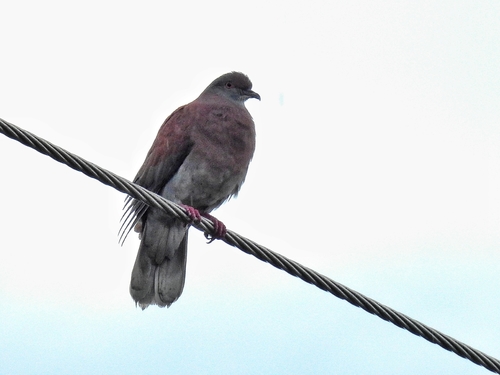 pomba-galega
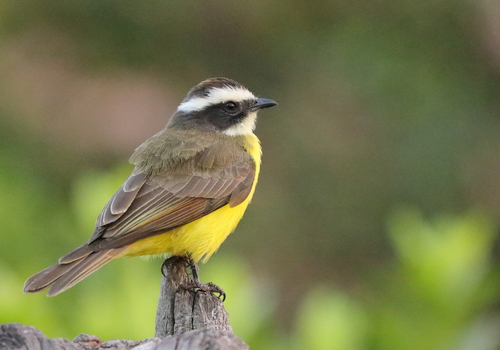 bentevizinho-de-asa-ferrugínea
Em resumo
A pomba-galega e o bentevizinho-de-asa-ferrugínea são facilmente distinguidos por sua estrutura e comportamento. A pomba é uma ave maior e robusta com uma forma típica de pombo, enquanto o bentevizinho é menor e mais ágil, com um contorno distinto de batedor. Seus habitats e comportamentos também diferem significativamente, ajudando na identificação.
Dicas de identificação
Observe o tamanho e a forma: A pomba é maior e mais robusta, enquanto o bentevizinho é menor e mais esbelto. Observe o comportamento: As pombas são mais propensas a serem vistas empoleiradas tranquilamente ou voando diretamente, enquanto os bentevizinhos ativamente capturam insetos. Verifique o habitat: As pombas preferem florestas e bordas, enquanto os bentevizinhos são encontrados em áreas abertas.
Tamanho
A pomba-galega é maior e mais robusta em comparação com o menor e mais esbelto bentevizinho-de-asa-ferrugínea.
Plumagem
A pomba-galega tem uma plumagem uniforme com uma região ventral pálida, enquanto o bentevizinho-de-asa-ferrugínea apresenta uma plumagem mais variada com bordas ferrugíneas em suas asas e um padrão facial distinto.
Comportamento
A pomba-galega é tipicamente vista empoleirada tranquilamente ou voando em linha reta, enquanto o bentevizinho-de-asa-ferrugínea é mais ativo, frequentemente visto capturando insetos.
Habitat
As pombas-galegas são frequentemente encontradas em florestas abertas e bordas de florestas, enquanto os bentevizinhos-de-asa-ferrugínea preferem áreas mais abertas, como jardins e campos arbustivos.
Voz
As vocalizações dessas espécies diferem, com a pomba apresentando um som de arrulhar mais suave, enquanto o bentevizinho é conhecido por seus chamados agudos e distintos.
pomba-galega · bentevizinho-de-asa-ferrugínea · Minhas aves difíceis