
cruza-bico-escocês vs lugre
Loxia scotica versus Spinus spinus
Jogue um quiz com cruza-bico-escocês e lugre
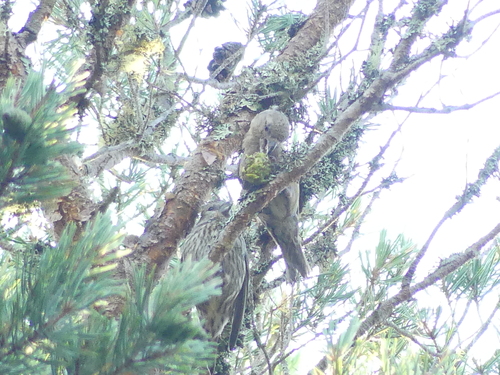 cruza-bico-escocês
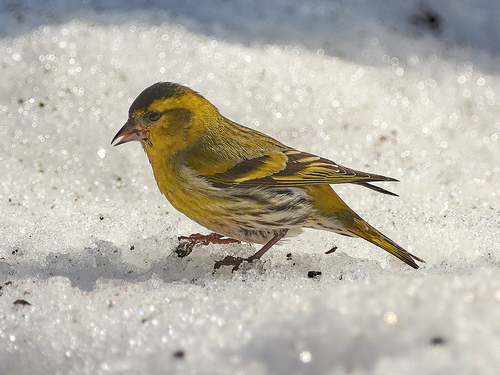 lugre
lugre
Em resumo
O cruza-bico-escocês é melhor identificado por suas vocalizações, que requerem análise de sonograma, enquanto o lugre possui características de plumagem distintas. Os cruzas-bicos-escoceses são em grande parte sedentários e encontrados nas florestas de pinheiros caledonianos, enquanto os lugres são mais amplamente distribuídos e não estão restritos à Escócia.
Dicas de identificação
- Vocalizações: Grave e analise os chamados do cruzabico-escocês com sonogramas.
- Plumagem: Observe as distintas listras amarelas e pretas do lugre.
- Habitat: Procure cruzas-bicos-escoceses nas florestas de pinheiros caledonianos na Escócia.
Tamanho
O cruzabico-escocês é maior, medindo cerca de 17 cm, enquanto o lugre é menor.
Plumagem
Os machos do cruzabico-escocês são vermelho-tijolo a laranja, e as fêmeas são verde-oliva a amarelo acinzentado. Os lugres têm uma plumagem mais distinta, amarela e preta, com listras.
Comportamento
Os cruzas-bicos-escoceses são em grande parte sedentários e formam bandos fora da temporada de reprodução. Os lugres são mais propensos a serem vistos em bandos mistos e não estão restritos a uma região específica.
Habitat
Os cruzas-bicos-escoceses são encontrados em florestas nativas de pinheiros caledonianos e plantações comerciais na Escócia. Os lugres têm uma faixa mais ampla e não estão limitados à Escócia.
Voz
A identificação do cruzabico-escocês depende fortemente da análise de seus chamados metálicos distintivos de voo e excitação via sonogramas. Os lugres têm um perfil vocal diferente.