
siberian sand-plover vs borrelho-de-coleira-interrompida
Anarhynchus mongolus versus Anarhynchus alexandrinus
Jogue um quiz com siberian sand-plover e borrelho-de-coleira-interrompida
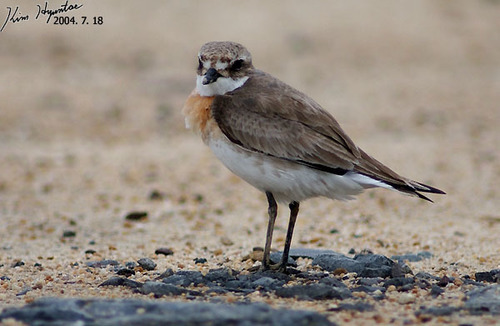 siberian sand-plover
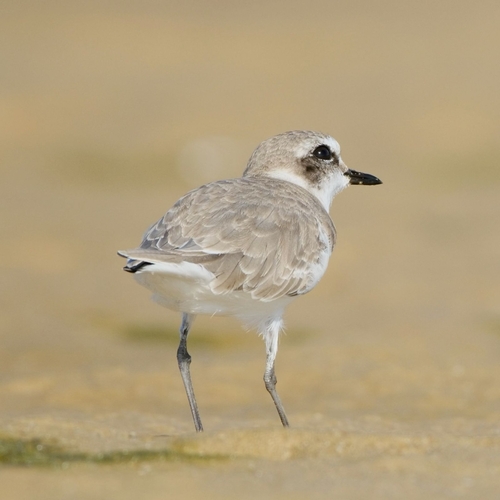 borrelho-de-coleira-interrompida
Em resumo
O siberian sand-plover e o borrelho-de-coleira-interrompida podem ser desafiadores de diferenciar, especialmente em plumagem não reprodutiva. O siberian sand-plover é notado por seu peito laranja e máscara preta durante a reprodução, enquanto o borrelho-de-coleira-interrompida frequentemente apresenta um colar branco na nuca e manchas pretas nas laterais da cabeça. Ambas as espécies podem ser encontradas em habitats costeiros semelhantes, mas o siberian sand-plover é menos comum e mais localizado.
Dicas de identificação
Procure pelo peito laranja e máscara preta do siberian sand-plover durante a temporada de reprodução. Em contraste, verifique o colar branco na nuca e as manchas pretas nas laterais da cabeça no borrelho-de-coleira-interrompida. Considere o habitat e a distribuição, já que o siberian sand-plover é menos comum e mais localizado.
Plumagem
O siberian sand-plover em plumagem reprodutiva exibe um peito laranja e uma máscara preta, enquanto o borrelho-de-coleira-interrompida é caracterizado por um colar branco na nuca e manchas pretas nas laterais da cabeça. O borrelho-de-coleira-interrompida também pode apresentar uma touca ruiva variável e, em algumas populações, uma faixa peitoral completa.
Habitat
Ambas as espécies são encontradas ao longo das costas, frequentemente em planícies de maré, bancos de areia e entre manguezais. No entanto, o siberian sand-plover é raramente encontrado em áreas interiores fora da temporada de reprodução e é mais localizado em comparação ao borrelho-de-coleira-interrompida.
siberian sand-plover · borrelho-de-coleira-interrompida · Minhas aves difíceis