
cartaxo-siberiano vs chasco-de-barrete-branco
Saxicola maurus versus Oenanthe leucopyga
Jogue um quiz com cartaxo-siberiano e chasco-de-barrete-branco
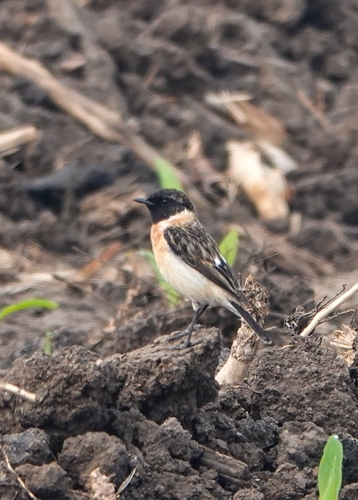 cartaxo-siberiano
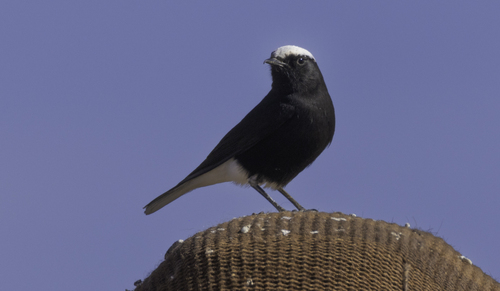 chasco-de-barrete-branco
Em resumo
O cartaxo-siberiano e o chasco-de-barrete-branco podem ser distinguidos principalmente por sua plumagem. O cartaxo geralmente tem uma plumagem mais variada e colorida com padrões distintos, enquanto o chasco é caracterizado por sua impressionante coloração preta e branca, incluindo uma coroa branca proeminente. Observar essas diferenças na coloração é a maneira mais confiável de diferenciá-los no campo.
Dicas de identificação
- Procure pela coroa branca: O chasco-de-barrete-branco tem uma coroa branca distinta, que está ausente no cartaxo-siberiano.
- Verifique a coloração geral: O cartaxo tem uma plumagem mais variada e padronizada em comparação com o contraste preto e branco do chasco.
- Observe a região do rabo: O rabo branco do chasco é uma característica chave, contrastando com a coloração mais sutil do cartaxo.
Plumagem
O cartaxo-siberiano frequentemente exibe uma mistura de marrons, pretos e brancos com uma aparência mais padronizada, enquanto o chasco-de-barrete-branco é predominantemente preto com uma coroa e rabo brancos distintos, dando-lhe uma aparência mais contrastante e monocromática.
cartaxo-siberiano · chasco-de-barrete-branco · Minhas aves difíceis