Birdr

arapaçu-bico-de-cunha vs uí-pi

Glyphorynchus spirurus versus Synallaxis albescens

Jogue um quiz com arapaçu-bico-de-cunha e uí-pi
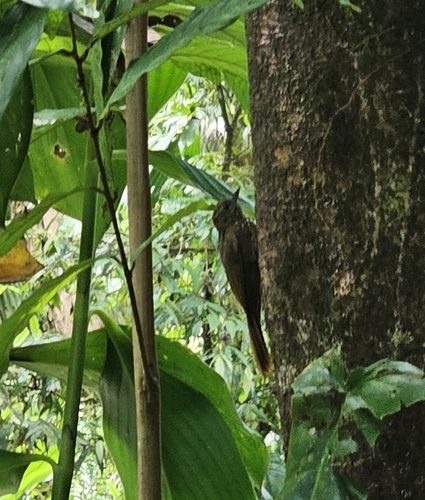
arapaçu-bico-de-cunha (Glyphorynchus spirurus) arapaçu-bico-de-cunha
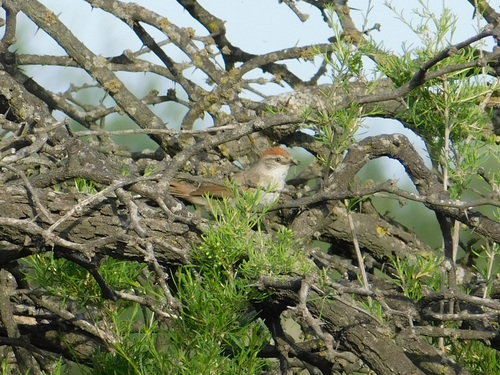
uí-pi (Synallaxis albescens) uí-pi

Mídia

Carregando…

Em resumo

O arapaçu-bico-de-cunha e o uí-pi podem ser distinguidos principalmente por sua estrutura e comportamento. O arapaçu tem um bico em forma de cunha distinto e é frequentemente visto em bandos de espécies mistas, enquanto o uí-pi tem uma estrutura de uí-pi mais típica e geralmente é solitário ou em pares. Ambas as espécies têm diferenças sutis na plumagem que são menos confiáveis para identificação.

Dicas de identificação

Verifique a forma do bico: o arapaçu-bico-de-cunha tem um bico em forma de cunha distinto, ao contrário do uí-pi. Observe o comportamento: arapaçus são frequentemente encontrados em bandos mistos, enquanto uís-pi são mais solitários. Note a plumagem: procure pelo peito mais claro no uí-pi, embora isso seja menos confiável.

Plumagem

O arapaçu-bico-de-cunha tem uma plumagem mais uniforme com variações sutis em tons de marrom, enquanto o uí-pi geralmente apresenta um peito mais claro, como seu nome sugere.

Comportamento

O arapaçu-bico-de-cunha é frequentemente observado em bandos de espécies mistas e é conhecido por colher artrópodes da casca e líquen. Em contraste, o uí-pi é mais propenso a ser visto sozinho ou em pares.

Voz

O arapaçu-bico-de-cunha tem um chamado seco e arranhado que é regularmente ouvido, enquanto as vocalizações do uí-pi não estão detalhadas nas notas.

Enviar uma descrição melhor

Use as mesmas seções da comparação. Seu texto é publicado na hora.

The Wedge-billed Woodcreeper and the Pale-breasted Spinetail can be distinguished primarily by their structure and behavior. The woodcreeper has a distinctive wedge-shaped bill and is often seen in mixed-species flocks, while the spinetail has a more typical spinetail structure and is usually solitary or in pairs. Both species have subtle plumage differences that are less reliable for identification.

Check the bill shape: the Wedge-billed Woodcreeper has a distinctive wedge-shaped bill, unlike the Pale-breasted Spinetail. Observe behavior: woodcreepers are often in mixed flocks, while spinetails are more solitary. Note plumage: look for the paler breast in the spinetail, though this is less reliable.

The Wedge-billed Woodcreeper has a more uniform plumage with subtle variations in brown tones, while the Pale-breasted Spinetail typically shows a paler breast, as its name suggests.

The Wedge-billed Woodcreeper is often observed in mixed-species flocks and is known for gleaning arthropods from bark and lichen. In contrast, the Pale-breasted Spinetail is more likely to be seen alone or in pairs.

The Wedge-billed Woodcreeper has a dry, scratchy call that is regularly heard, while the Pale-breasted Spinetail's vocalizations are not detailed in the notes.

Descartar as alterações?

Você tem edições não salvas. Se sair agora, elas serão perdidas.

arapaçu-bico-de-cunha · uí-pi · Minhas aves difíceis