
juruviara-d'olhos-brancos vs bewick's wren
Vireo griseus versus Thryomanes bewickii
Jogue um quiz com juruviara-d'olhos-brancos e bewick's wren
 juruviara-d'olhos-brancos
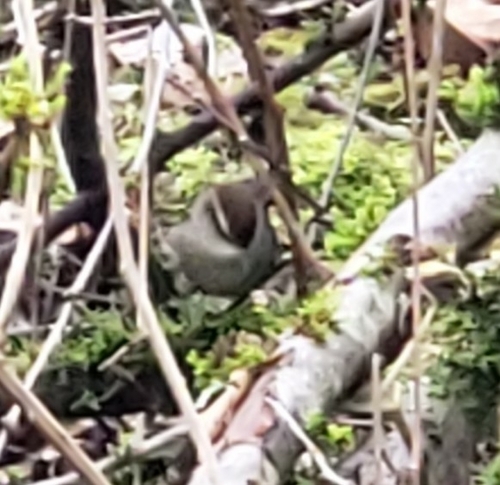 bewick's wren
Em resumo
A juruviara-d'olhos-brancos e o bewick's wren podem ser distinguidos pela cor dos olhos e preferências de habitat. A juruviara-d'olhos-brancos tem olhos brancos distintos, enquanto o bewick's wren não possui essa característica. Além disso, a juruviara é mais frequentemente encontrada no sudeste dos EUA e em áreas costeiras, enquanto o wren prefere florestas abertas e arbustos em uma faixa mais ampla.
Dicas de identificação
Procure pelos olhos brancos da juruviara-d'olhos-brancos como uma característica distintiva principal. Considere o habitat: as juruviaras são mais costeiras e do sudeste, enquanto os wrens são encontrados em florestas abertas e arbustos. Ouça a imitação da juruviara em seu canto.
Plumagem
A juruviara-d'olhos-brancos é notada por seus olhos brancos, que são uma característica distintiva chave. O bewick's wren não tem olhos brancos e geralmente possui uma plumagem marrom mais uniforme.
Comportamento
O bewick's wren frequentemente forrageia no solo ou perto dele e é conhecido por colher insetos de folhas e galhos. O comportamento da juruviara-d'olhos-brancos não é especificamente notado aqui.
Habitat
As juruviaras-d'olhos-brancos são encontradas em estados costeiros e no sudeste dos EUA, enquanto os bewick's wrens preferem florestas abertas, arbustos e áreas com cavidades adequadas em uma faixa mais ampla.
Voz
As juruviaras-d'olhos-brancos têm canções complexas que incluem imitações dos chamados de outras espécies. Os bewick's wrens têm canções geograficamente variáveis aprendidas com machos vizinhos, mas diferenças específicas na estrutura da canção não são detalhadas aqui.
juruviara-d'olhos-brancos · bewick's wren · Minhas aves difíceis