Birdr

tijerila vs caneleiro-preto

Xenopsaris albinucha versus Pachyramphus polychopterus

Jogue um quiz com tijerila e caneleiro-preto
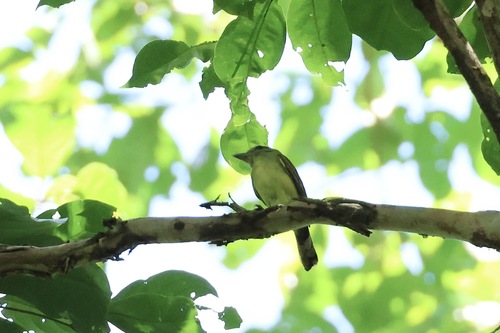
tijerila (Xenopsaris albinucha) tijerila
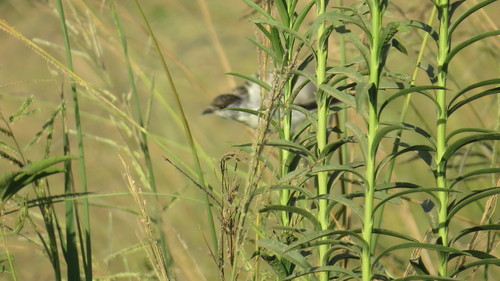
caneleiro-preto (Pachyramphus polychopterus) caneleiro-preto

Mídia

Carregando…

Em resumo

A tijerila e o caneleiro-preto podem ser distinguidos por suas plumagens e diferenças estruturais. A tijerila possui uma nuca branca distinta, enquanto o caneleiro-preto apresenta manchas brancas proeminentes nas asas. Observar essas características com binóculos pode ajudar na identificação precisa.

Dicas de identificação

1. Procure pela nuca branca: Esta é uma característica chave da tijerila. 2. Verifique as manchas brancas nas asas: Proeminentes no caneleiro-preto, essas são mais notáveis do que quaisquer marcas na nuca.

Plumagem

A tijerila é caracterizada por sua nuca branca, que é uma característica distintiva chave. Em contraste, o caneleiro-preto é notado por suas manchas brancas nas asas, que são mais proeminentes do que qualquer coloração na nuca.

Enviar uma descrição melhor

Use as mesmas seções da comparação. Seu texto é publicado na hora.

The White-naped Xenopsaris and the White-winged Becard can be distinguished by their plumage and structural differences. The Xenopsaris has a distinctive white nape, while the Becard features prominent white wing patches. Observing these features with binoculars can help in accurate identification.

1. Look for the white nape: This is a key feature of the White-naped Xenopsaris. 2. Check for white wing patches: Prominent in the White-winged Becard, these are more noticeable than any nape markings.

The White-naped Xenopsaris is characterized by its white nape, which is a key distinguishing feature. In contrast, the White-winged Becard is noted for its white wing patches, which are more prominent than any nape coloration.

Descartar as alterações?

Você tem edições não salvas. Se sair agora, elas serão perdidas.

tijerila · caneleiro-preto · Minhas aves difíceis