Birdr

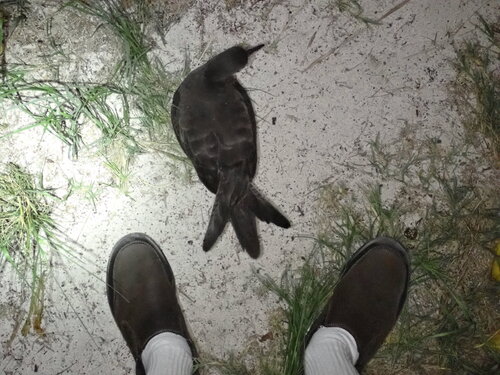
wrybill vs pardela-rabilonga

Anarhynchus frontalis versus Ardenna pacifica

Jogue um quiz com wrybill e pardela-rabilonga
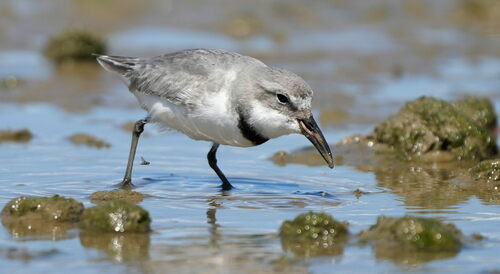
wrybill (Anarhynchus frontalis) wrybill
pardela-rabilonga (Ardenna pacifica) pardela-rabilonga

Mídia

Carregando…

Em resumo

O wrybill e a pardela-rabilonga são distintos tanto em aparência quanto em habitat. O wrybill é notável por seu bico curvado para o lado, enquanto a pardela-rabilonga é reconhecida por sua longa cauda em forma de cunha e voo planado sobre águas tropicais.

Dicas de identificação

Wrybill: Procure pelo bico curvado para o lado. Pardela-rabilonga: Note a longa cauda em forma de cunha e o padrão de voo do pássaro com planadas flutuantes e batidas de asa rígidas.

Tamanho

O wrybill é uma ave limícola pequena, enquanto a pardela-rabilonga é uma grande ave marinha.

Plumagem

O wrybill tem uma plumagem mais uniforme e sutil em comparação com a pardela-rabilonga, que pode apresentar morfos claros com superfícies inferiores das asas irregularmente brancas.

Comportamento

Os wrybills são tipicamente vistos forrageando em leitos de rios, enquanto as pardelas-rabilongas são frequentemente observadas planando sobre o oceano com suas asas tocando a água.

Habitat

Os wrybills são encontrados em ambientes ribeirinhos, enquanto as pardelas-rabilongas habitam águas tropicais quentes e às vezes são visíveis da costa.

Enviar uma descrição melhor

Use as mesmas seções da comparação. Seu texto é publicado na hora.

The Wrybill and Wedge-tailed Shearwater are distinct in both appearance and habitat. The Wrybill is notable for its unique sideways-curved bill, while the Wedge-tailed Shearwater is recognized by its long, wedge-shaped tail and gliding flight over tropical waters.

Wrybill: Look for the distinctive sideways-curved bill. Wedge-tailed Shearwater: Note the long, wedge-shaped tail and the bird's flight pattern with buoyant glides and stiff wingbeats.

The Wrybill is a small shorebird, whereas the Wedge-tailed Shearwater is a large seabird.

The Wrybill has a more uniform and subtle plumage compared to the Wedge-tailed Shearwater, which may show light morphs with irregularly white undersurfaces of the wings.

Wrybills are typically seen foraging on riverbeds, while Wedge-tailed Shearwaters are often observed gliding over the ocean with their wings skimming the water.

Wrybills are found in riverine environments, whereas Wedge-tailed Shearwaters inhabit warm tropical waters and are sometimes visible from shore.

Descartar as alterações?

Você tem edições não salvas. Se sair agora, elas serão perdidas.

wrybill · pardela-rabilonga · Minhas aves difíceis