Birdr

Acadian Flycatcher vs Eastern Meadowlark

Empidonax virescens versus Sturnella magna

Play a quiz with Acadian Flycatcher and Eastern Meadowlark
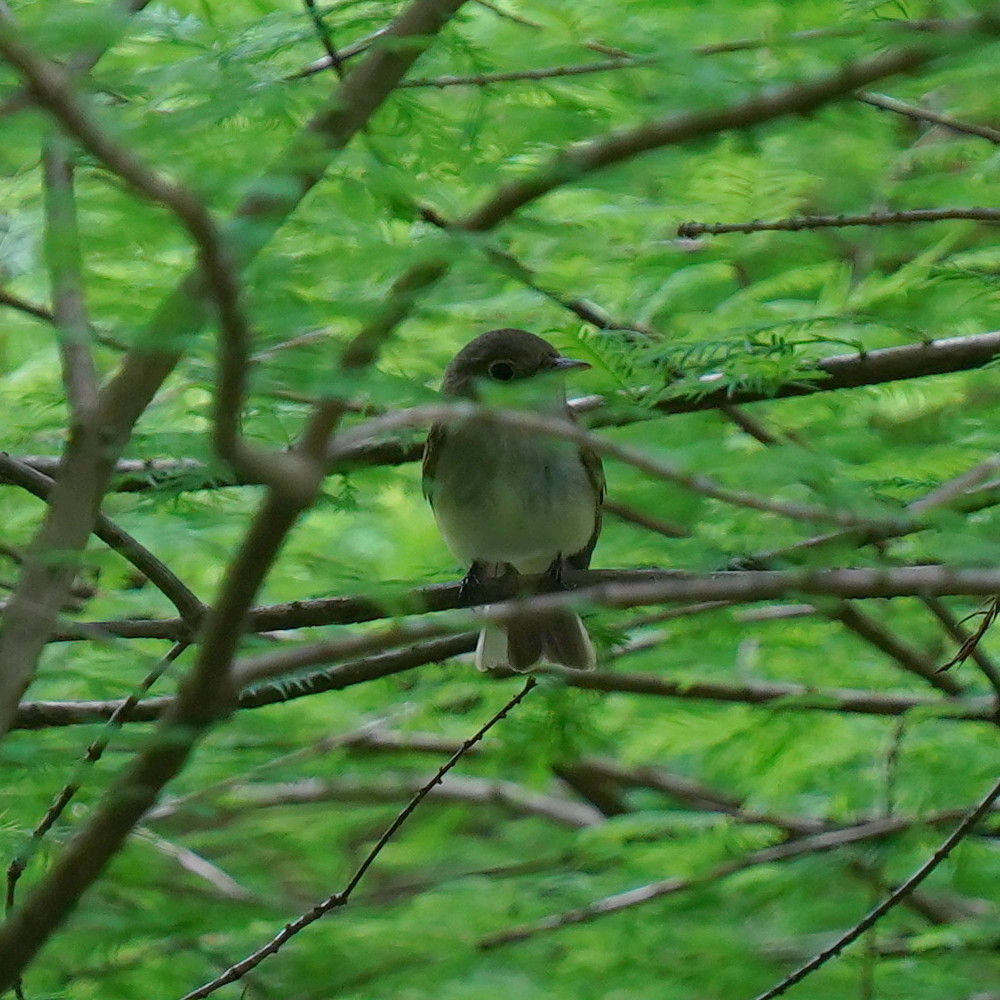
Acadian Flycatcher (Empidonax virescens) Acadian Flycatcher
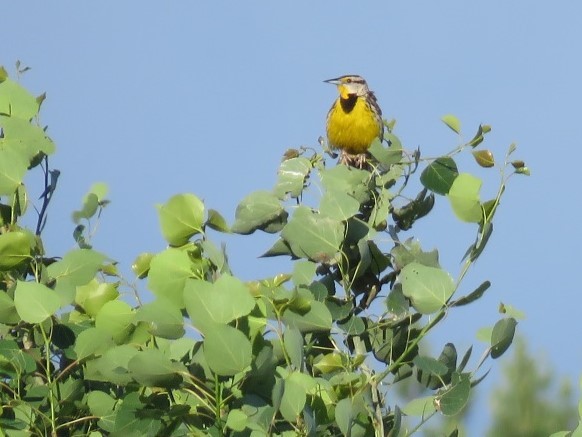
Eastern Meadowlark (Sturnella magna) Eastern Meadowlark

Media

Loading…

In short

The Acadian Flycatcher and Eastern Meadowlark are distinct in both appearance and habitat. The Acadian Flycatcher is a small, olive-green bird of forested areas, while the Eastern Meadowlark is a larger, ground-dwelling bird with striking yellow and black plumage found in open fields. Their vocalizations and habitats are key to telling them apart.

Identification tips

  1. Habitat: Look for Acadian Flycatchers in forested areas and Eastern Meadowlarks in open fields. 2. Plumage: Note the olive-green tones and eye-ring of the flycatcher versus the bright yellow and black of the meadowlark. 3. Size: The meadowlark is noticeably larger and more robust. 4. Song: Listen for the sharp 'peet-sa' of the flycatcher and the flute-like song of the meadowlark.

Size

The Acadian Flycatcher is smaller with a more delicate build, whereas the Eastern Meadowlark is larger and more robust.

Plumage

The Acadian Flycatcher is primarily olive-green with a pale eye-ring and wing bars. The Eastern Meadowlark has a bright yellow breast with a distinctive black 'V' and brown streaked upperparts.

Behaviour

Acadian Flycatchers are often seen flitting through forest canopies, while Eastern Meadowlarks are ground foragers in open fields.

Habitat

Acadian Flycatchers prefer mature deciduous or coniferous forests, often near water. Eastern Meadowlarks inhabit grasslands and agricultural fields.

Voice

The Acadian Flycatcher's song is a sharp 'peet-sa', while the Eastern Meadowlark has a melodious, flute-like song.

Submit a better description

Use the same sections as the comparison. Your text is published immediately.

The Acadian Flycatcher and Eastern Meadowlark are distinct in both appearance and habitat. The Acadian Flycatcher is a small, olive-green bird of forested areas, while the Eastern Meadowlark is a larger, ground-dwelling bird with striking yellow and black plumage found in open fields. Their vocalizations and habitats are key to telling them apart.

  1. Habitat: Look for Acadian Flycatchers in forested areas and Eastern Meadowlarks in open fields. 2. Plumage: Note the olive-green tones and eye-ring of the flycatcher versus the bright yellow and black of the meadowlark. 3. Size: The meadowlark is noticeably larger and more robust. 4. Song: Listen for the sharp 'peet-sa' of the flycatcher and the flute-like song of the meadowlark.

The Acadian Flycatcher is smaller with a more delicate build, whereas the Eastern Meadowlark is larger and more robust.

The Acadian Flycatcher is primarily olive-green with a pale eye-ring and wing bars. The Eastern Meadowlark has a bright yellow breast with a distinctive black 'V' and brown streaked upperparts.

Acadian Flycatchers are often seen flitting through forest canopies, while Eastern Meadowlarks are ground foragers in open fields.

Acadian Flycatchers prefer mature deciduous or coniferous forests, often near water. Eastern Meadowlarks inhabit grasslands and agricultural fields.

The Acadian Flycatcher's song is a sharp 'peet-sa', while the Eastern Meadowlark has a melodious, flute-like song.

Discard your changes?

You have unsaved edits. If you leave now, those changes will be lost.

Acadian Flycatcher · Eastern Meadowlark · My Tricky Birds