Birdr

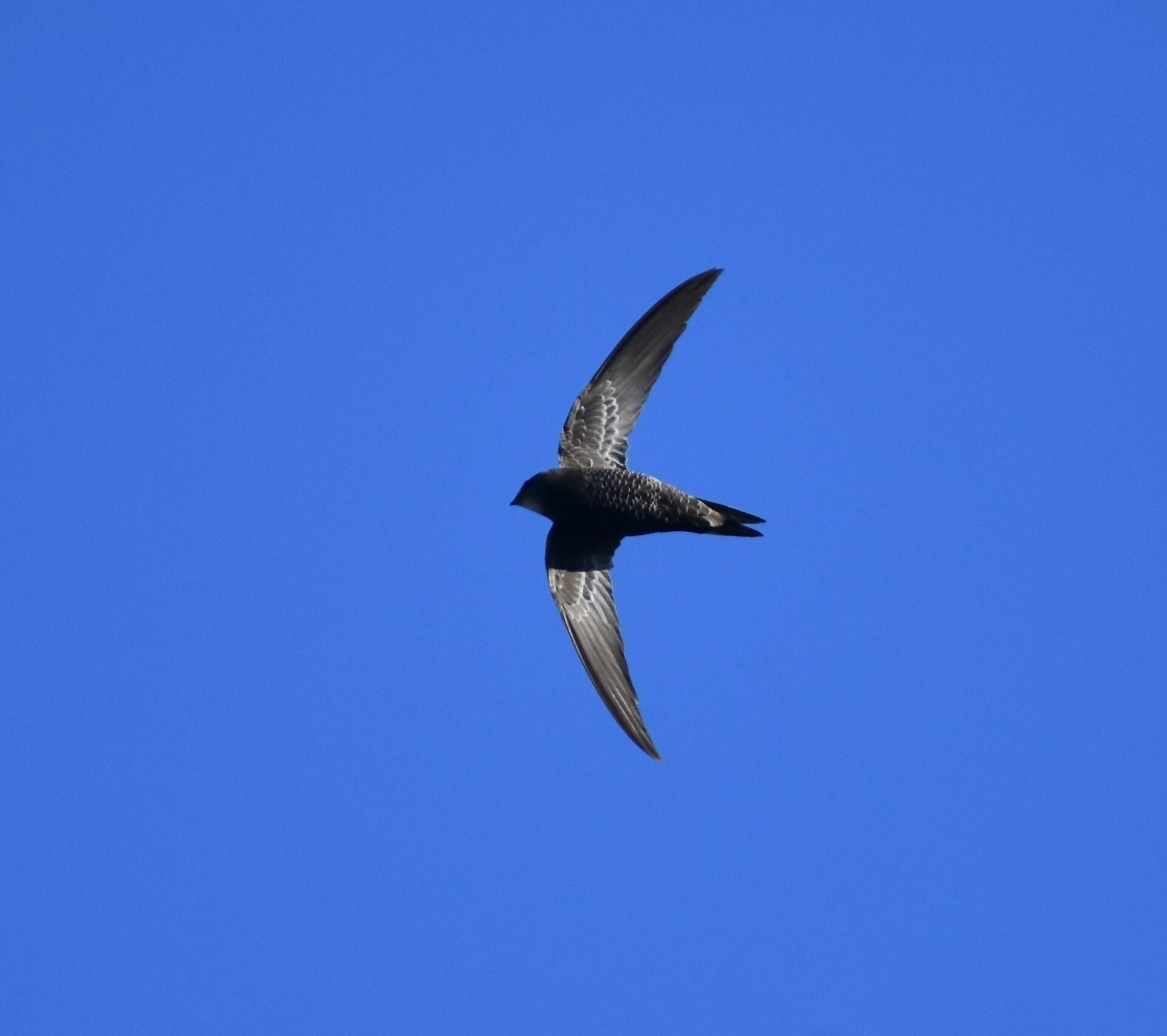
African Cuckoo vs African Swift

Cuculus gularis versus Apus barbatus

Play a quiz with African Cuckoo and African Swift
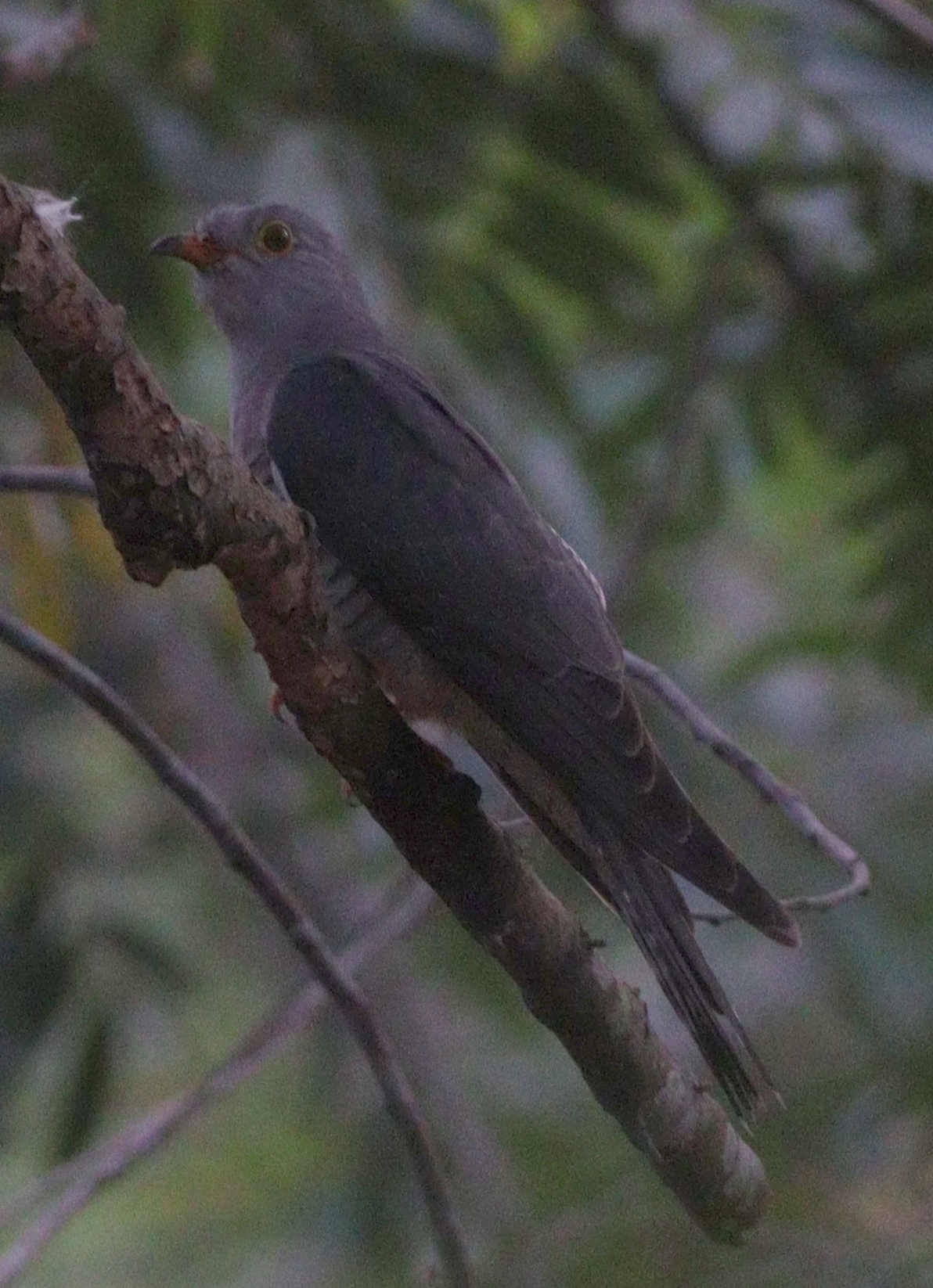
African Cuckoo (Cuculus gularis) African Cuckoo
African Swift (Apus barbatus) African Swift

Media

Loading…

In short

The African Cuckoo and African Swift are easily distinguished by their structure and behavior. The cuckoo has a more robust body with a long tail and a distinct cuckoo-like flight, while the swift is smaller, with a streamlined body and rapid, agile flight. Habitat preferences also differ significantly, aiding identification.

Identification tips

1. Structure: Look for the cuckoo's longer tail and robust body versus the swift's streamlined shape. 2. Flight behavior: Cuckoos perch and fly slowly; swifts are constantly in rapid flight. 3. Habitat: Cuckoos in wooded areas, swifts in open skies. 4. Vocalizations: Listen for the cuckoo's repetitive call.

Size

The African Cuckoo is larger and more robust compared to the smaller, more streamlined African Swift.

Plumage

The African Cuckoo typically has barred underparts and a more defined pattern, while the African Swift is uniformly dark with no distinct markings.

Behaviour

African Cuckoos often perch conspicuously and have a slower, more deliberate flight. African Swifts are almost always seen in flight, moving rapidly and erratically.

Habitat

African Cuckoos are found in a variety of wooded habitats, while African Swifts are more often seen in open skies above highlands, often near cliffs or mature trees.

Voice

The African Cuckoo has a distinctive, repetitive call, whereas the African Swift's vocalizations are less distinct and often heard in flight.

Submit a better description

Use the same sections as the comparison. Your text is published immediately.

The African Cuckoo and African Swift are easily distinguished by their structure and behavior. The cuckoo has a more robust body with a long tail and a distinct cuckoo-like flight, while the swift is smaller, with a streamlined body and rapid, agile flight. Habitat preferences also differ significantly, aiding identification.

1. Structure: Look for the cuckoo's longer tail and robust body versus the swift's streamlined shape. 2. Flight behavior: Cuckoos perch and fly slowly; swifts are constantly in rapid flight. 3. Habitat: Cuckoos in wooded areas, swifts in open skies. 4. Vocalizations: Listen for the cuckoo's repetitive call.

The African Cuckoo is larger and more robust compared to the smaller, more streamlined African Swift.

The African Cuckoo typically has barred underparts and a more defined pattern, while the African Swift is uniformly dark with no distinct markings.

African Cuckoos often perch conspicuously and have a slower, more deliberate flight. African Swifts are almost always seen in flight, moving rapidly and erratically.

African Cuckoos are found in a variety of wooded habitats, while African Swifts are more often seen in open skies above highlands, often near cliffs or mature trees.

The African Cuckoo has a distinctive, repetitive call, whereas the African Swift's vocalizations are less distinct and often heard in flight.

Discard your changes?

You have unsaved edits. If you leave now, those changes will be lost.

African Cuckoo · African Swift · My Tricky Birds