
African Dusky Flycatcher vs Little Flycatcher
Muscicapa adusta versus Muscicapa epulata
Play a quiz with African Dusky Flycatcher and Little Flycatcher
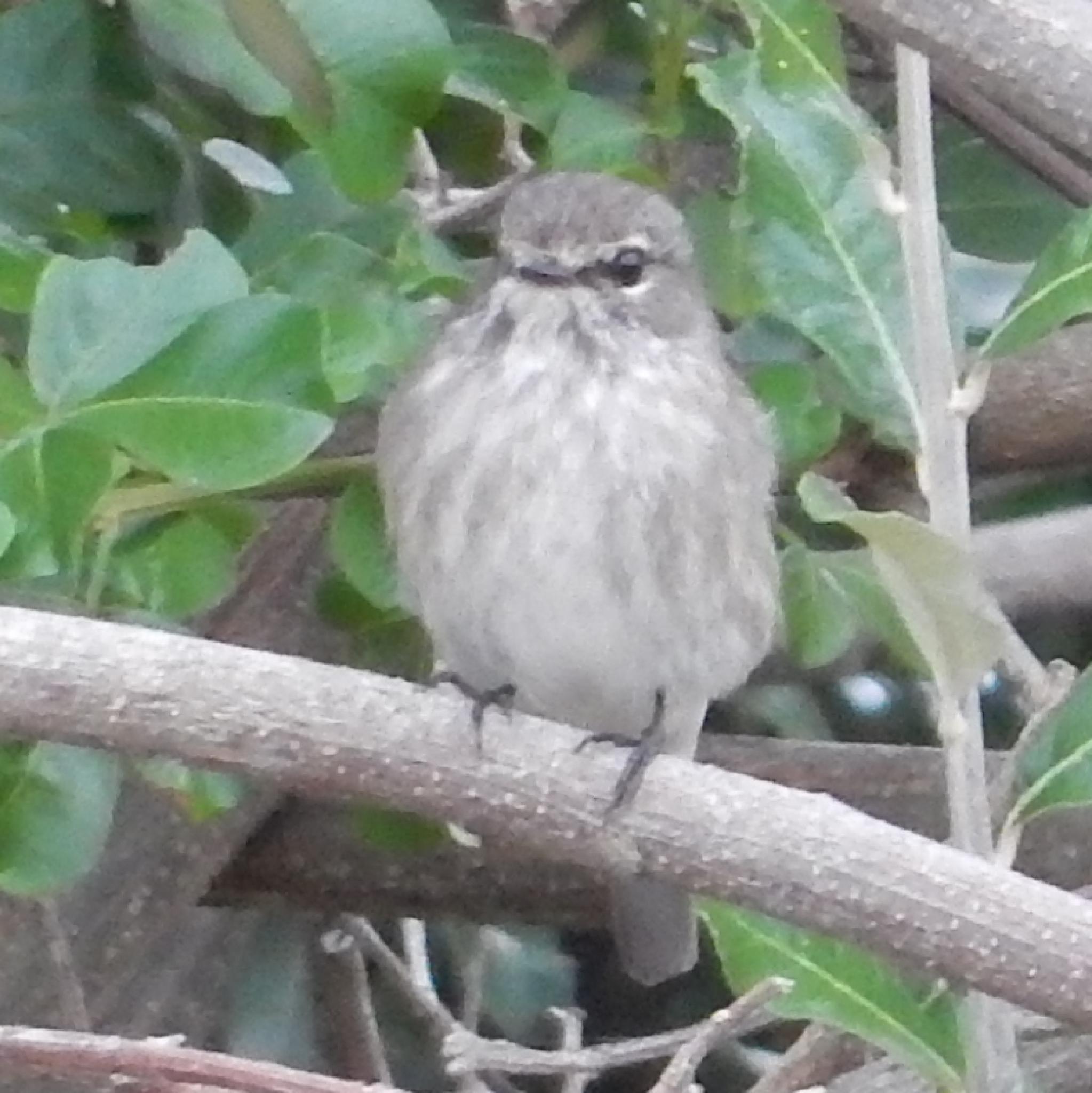 African Dusky Flycatcher
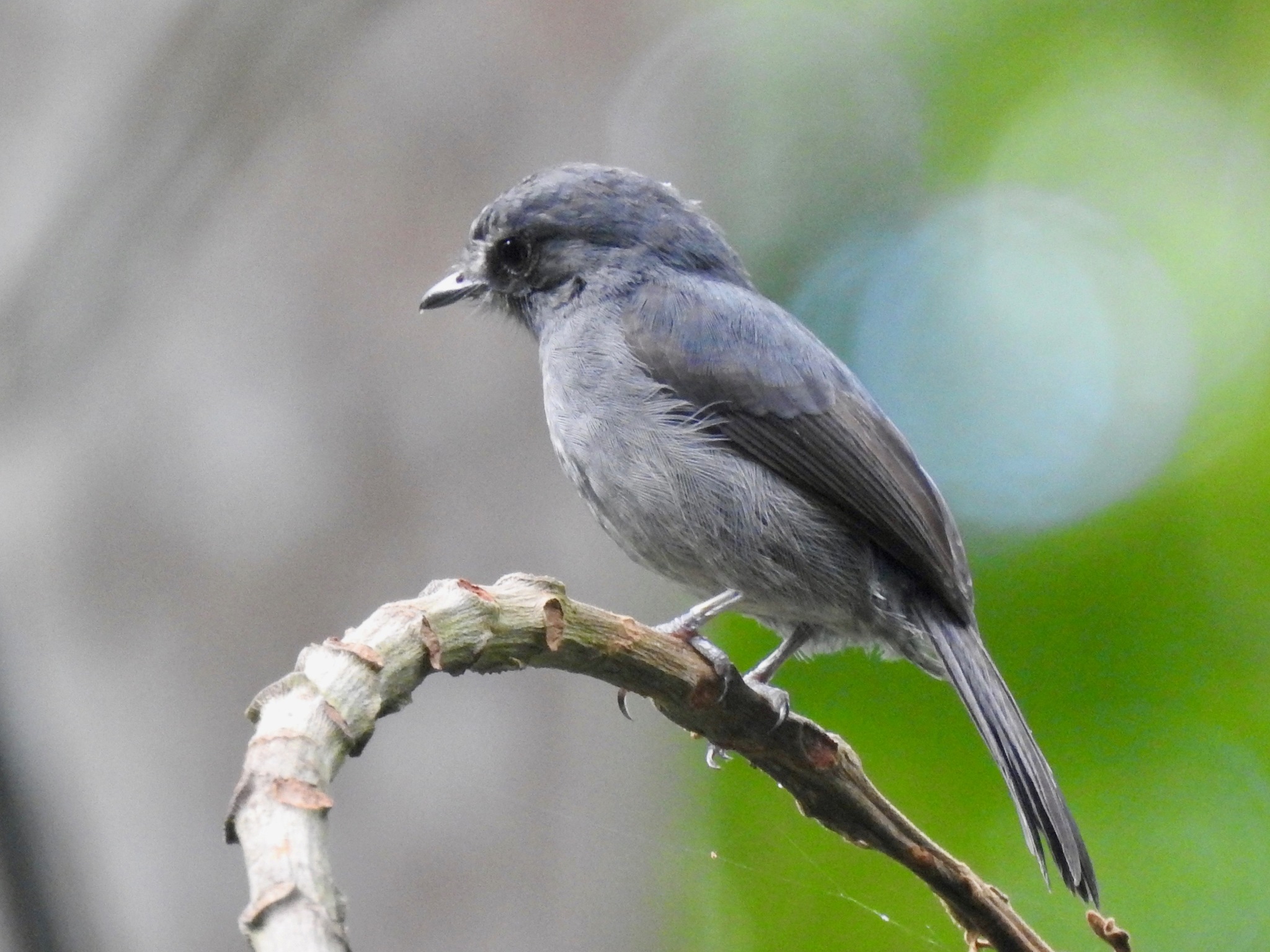 Little Flycatcher
In short
The African Dusky Flycatcher and Little Flycatcher are both small, drab flycatchers, but they can be distinguished by subtle differences in structure and behavior. The African Dusky Flycatcher typically has a slightly longer tail and a more pronounced supercilium compared to the Little Flycatcher. Vocalizations are not well-documented for both species, so rely on visual cues.
Identification tips
- Tail Length: African Dusky Flycatcher often has a slightly longer tail. 2. Supercilium: Look for a more pronounced supercilium in the African Dusky Flycatcher. 3. General Plumage: The Little Flycatcher is generally plainer with less contrast. 4. Habitat and Behavior: Both species are found in similar habitats and exhibit similar behaviors, so rely on structural differences.
Size
Both species are small and similar in size, but the African Dusky Flycatcher may appear slightly larger due to its longer tail.
Plumage
Both species have plain, dusky plumage. The African Dusky Flycatcher often shows a more pronounced supercilium, while the Little Flycatcher is generally plainer with less contrast.
Behaviour
Both species are active flycatchers, often seen sallying from perches to catch insects. There are no significant behavioral differences noted.
Habitat
Both species inhabit similar environments, typically found in forest edges and clearings. There are no significant habitat preferences that distinguish them.
Voice
Vocalizations are not well-documented for either species, making them unreliable for identification.
African Dusky Flycatcher · Little Flycatcher · My Tricky Birds