
African Grey Hornbill vs Green-backed Camaroptera
Lophoceros nasutus versus Camaroptera brachyura
Play a quiz with African Grey Hornbill and Green-backed Camaroptera
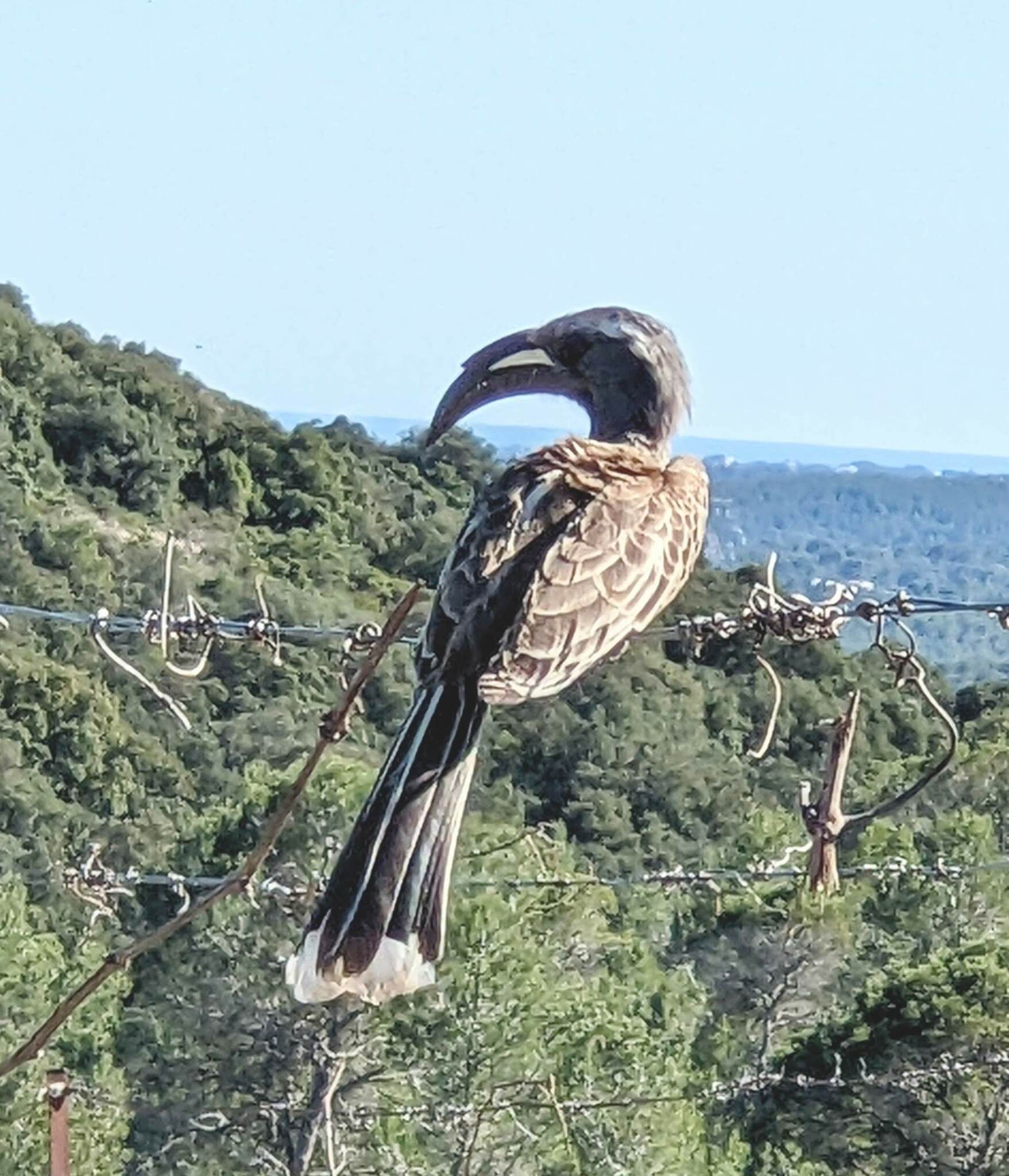 African Grey Hornbill
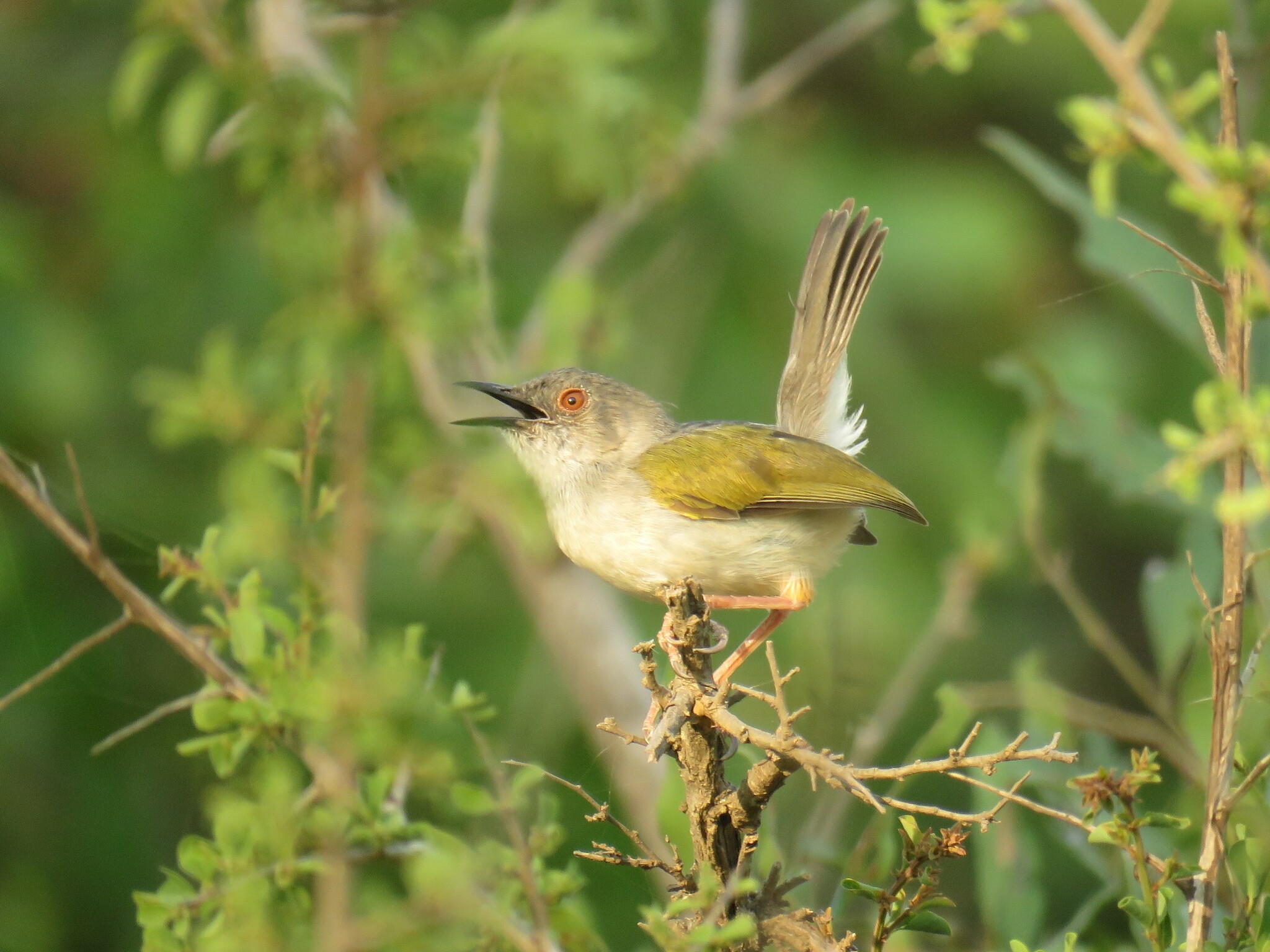 Green-backed Camaroptera
In short
The African Grey Hornbill and Green-backed Camaroptera are distinct in size and structure, with the hornbill being much larger and possessing a prominent bill. The camaroptera is a small, inconspicuous bird often found in dense undergrowth, whereas the hornbill is more conspicuous and often seen in open woodlands.
Identification tips
- Size and Structure: Look for the large size and prominent bill of the hornbill. 2. Plumage: Note the grey and white coloration of the hornbill versus the green and grey of the camaroptera. 3. Behavior: Observe the hornbill's tendency to perch openly and the camaroptera's preference for dense cover. 4. Habitat: Consider the habitat; hornbills in open areas, camaropteras in thickets. 5. Vocalizations: Listen for the hornbill's loud calls compared to the camaroptera's softer whistles.
Size
The African Grey Hornbill is significantly larger, with a robust body and long tail, while the Green-backed Camaroptera is small and compact.
Plumage
The hornbill has grey plumage with a white belly and a distinctive black and white bill. The camaroptera has a green back, grey underparts, and lacks the hornbill's striking bill.
Behaviour
Hornbills are often seen flying between trees or perched prominently, while camaropteras are skulking birds, usually found hopping through dense vegetation.
Habitat
The African Grey Hornbill prefers open woodlands and savannas, whereas the Green-backed Camaroptera is found in dense undergrowth and thickets.
Voice
The hornbill's calls are loud and often consist of cackling or honking sounds. The camaroptera's vocalizations are softer, with a series of whistles or trills.
African Grey Hornbill · Green-backed Camaroptera · My Tricky Birds