Birdr

American Barn Owl vs Lesser Grey Shrike

Tyto furcata versus Lanius minor

Play a quiz with American Barn Owl and Lesser Grey Shrike
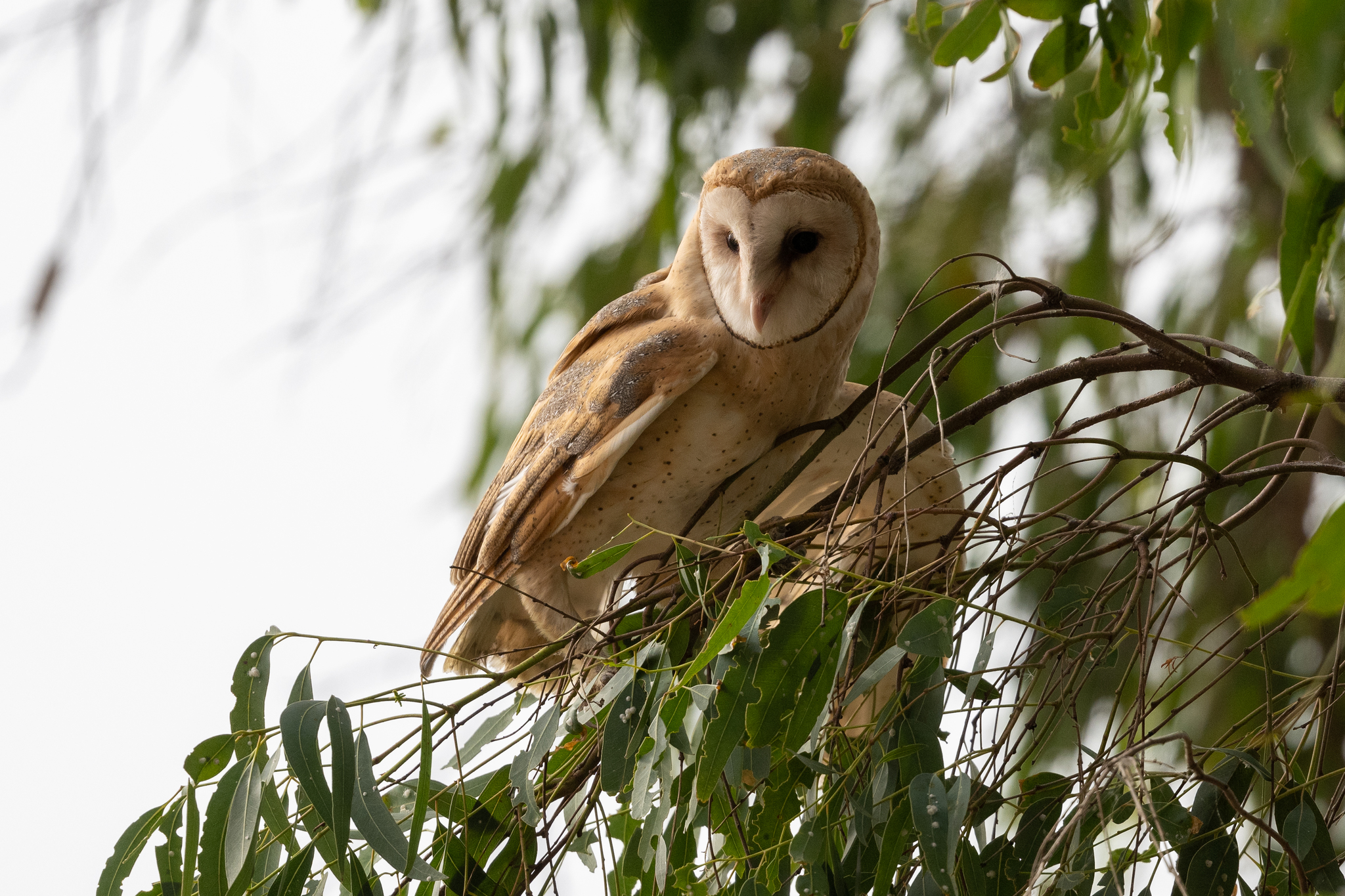
American Barn Owl (Tyto furcata) American Barn Owl
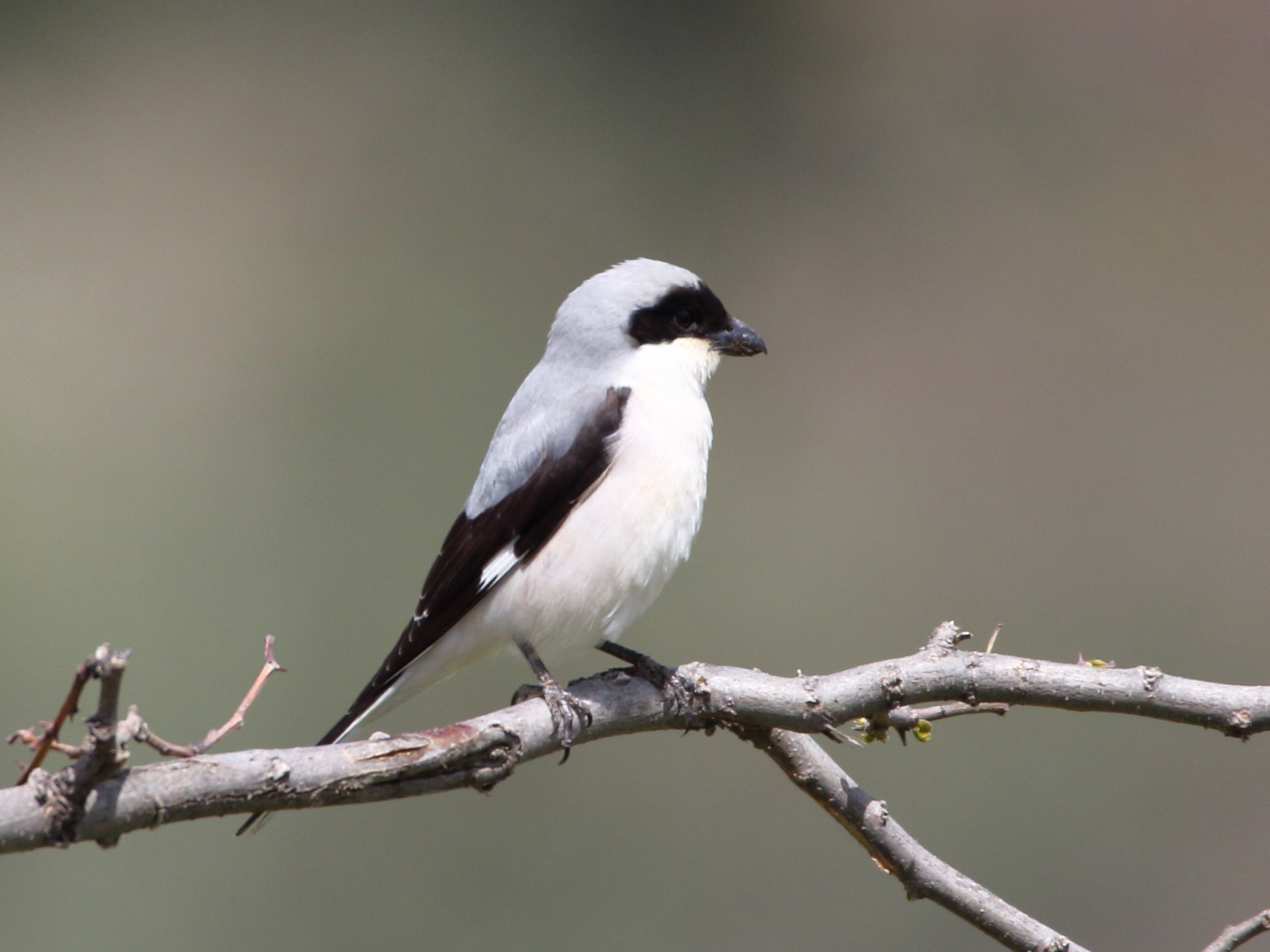
Lesser Grey Shrike (Lanius minor) Lesser Grey Shrike

Media

Loading…

In short

The American Barn Owl and Lesser Grey Shrike are distinct in appearance and behavior, with the owl being a nocturnal raptor and the shrike a diurnal songbird. The barn owl is larger with a heart-shaped face, while the shrike is smaller with a hooked bill and a more typical passerine shape.

Identification tips

1. Size and Shape: Look for the larger size and heart-shaped face of the barn owl versus the smaller, more passerine shape of the shrike. 2. Activity Time: Note the time of day; barn owls are active at night, shrikes during the day. 3. Facial Features: The barn owl's facial disc is a key feature, while the shrike has a distinctive black mask. 4. Habitat: Consider the habitat; barn owls are more adaptable to various open environments, while shrikes prefer open areas with some trees.

Size

The American Barn Owl is significantly larger than the Lesser Grey Shrike, with a wingspan that can reach over 100 cm, compared to the shrike's more modest size.

Plumage

The barn owl has a distinctive heart-shaped facial disc, pale underparts, and mottled upperparts. In contrast, the Lesser Grey Shrike has a black mask, grey upperparts, and white underparts with a more typical passerine shape.

Behaviour

The barn owl is primarily nocturnal, hunting at night, while the shrike is diurnal, often seen perched conspicuously as it hunts during the day.

Habitat

American Barn Owls inhabit a wide range of open habitats, including urban areas, while Lesser Grey Shrikes prefer open country with scattered trees and shrubs.

Voice

Barn owls produce eerie, screeching calls, whereas Lesser Grey Shrikes have a varied repertoire of harsh calls and melodious notes.

Submit a better description

Use the same sections as the comparison. Your text is published immediately.

The American Barn Owl and Lesser Grey Shrike are distinct in appearance and behavior, with the owl being a nocturnal raptor and the shrike a diurnal songbird. The barn owl is larger with a heart-shaped face, while the shrike is smaller with a hooked bill and a more typical passerine shape.

1. Size and Shape: Look for the larger size and heart-shaped face of the barn owl versus the smaller, more passerine shape of the shrike. 2. Activity Time: Note the time of day; barn owls are active at night, shrikes during the day. 3. Facial Features: The barn owl's facial disc is a key feature, while the shrike has a distinctive black mask. 4. Habitat: Consider the habitat; barn owls are more adaptable to various open environments, while shrikes prefer open areas with some trees.

The American Barn Owl is significantly larger than the Lesser Grey Shrike, with a wingspan that can reach over 100 cm, compared to the shrike's more modest size.

The barn owl has a distinctive heart-shaped facial disc, pale underparts, and mottled upperparts. In contrast, the Lesser Grey Shrike has a black mask, grey upperparts, and white underparts with a more typical passerine shape.

The barn owl is primarily nocturnal, hunting at night, while the shrike is diurnal, often seen perched conspicuously as it hunts during the day.

American Barn Owls inhabit a wide range of open habitats, including urban areas, while Lesser Grey Shrikes prefer open country with scattered trees and shrubs.

Barn owls produce eerie, screeching calls, whereas Lesser Grey Shrikes have a varied repertoire of harsh calls and melodious notes.

Discard your changes?

You have unsaved edits. If you leave now, those changes will be lost.

American Barn Owl · Lesser Grey Shrike · My Tricky Birds