
American Golden Plover vs MacGillivray's Warbler
Pluvialis dominica versus Geothlypis tolmiei
Play a quiz with American Golden Plover and MacGillivray's Warbler
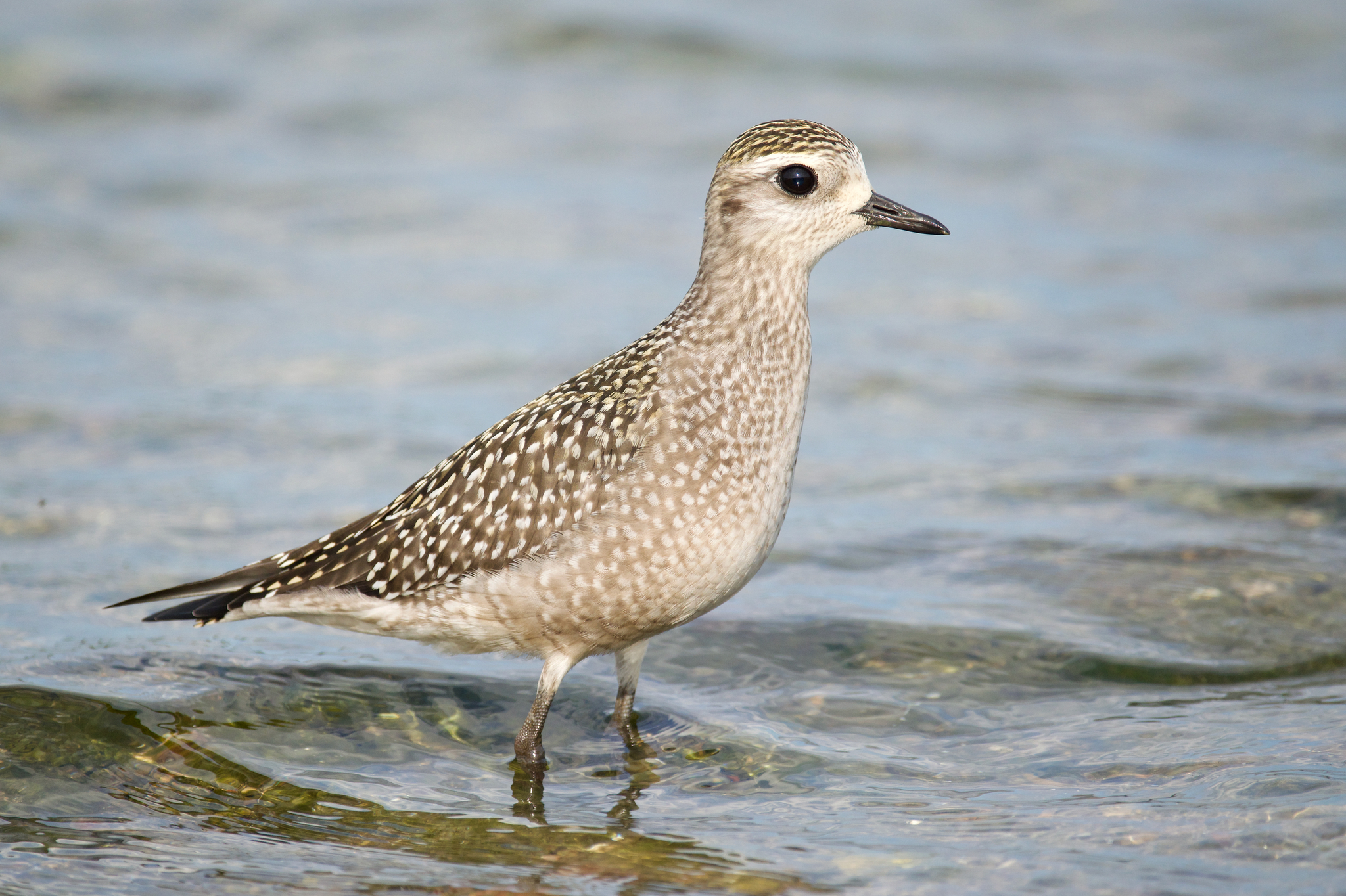 American Golden Plover
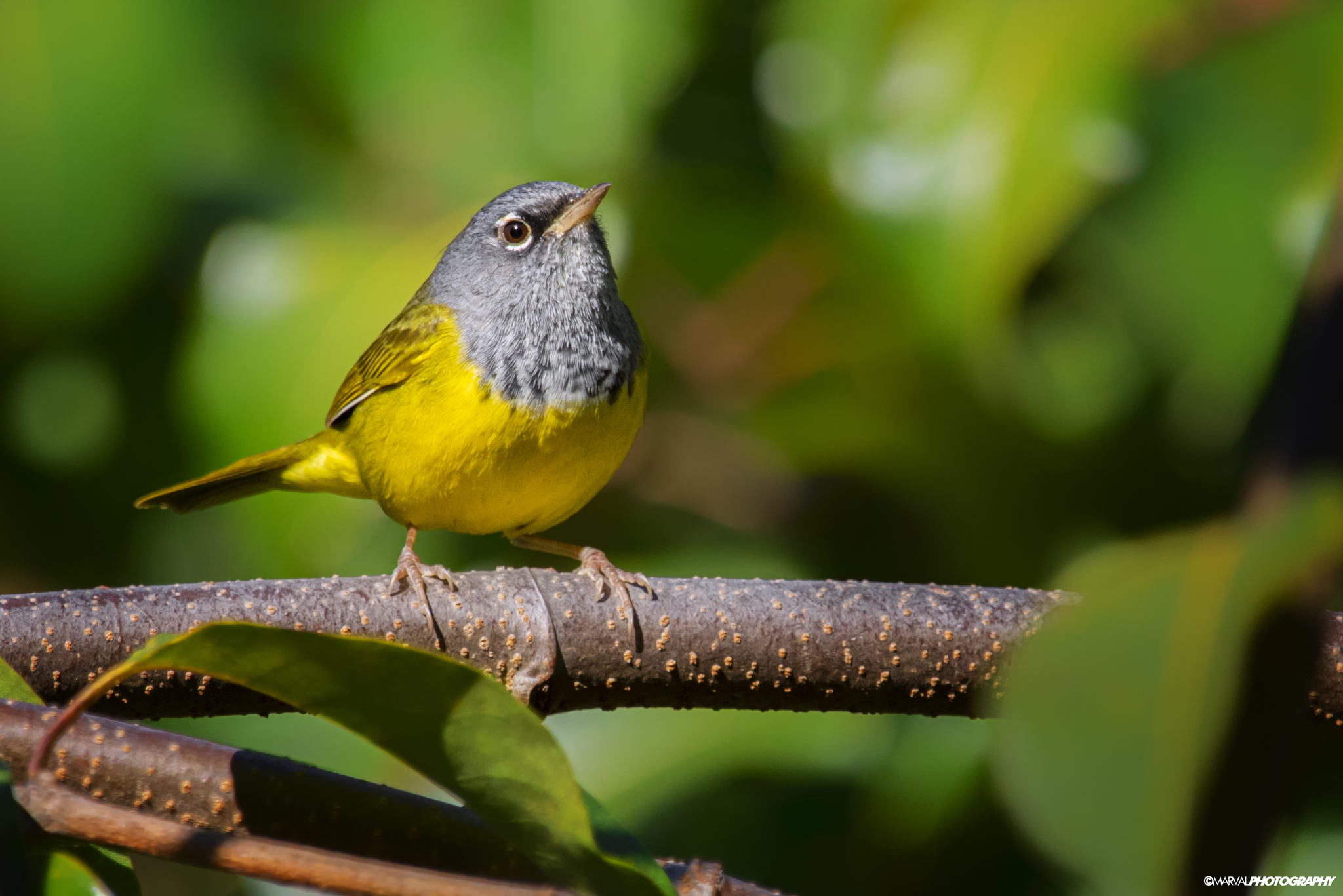 MacGillivray's Warbler
In short
The American Golden-Plover and MacGillivray's Warbler are easily distinguished by their habitats and behaviors. The plover is a shorebird found in open tundra and grasslands, while the warbler inhabits dense thickets and riparian vegetation. Their plumage and size also differ significantly, with the plover being larger and more uniform in color compared to the smaller, more colorful warbler.
Identification tips
- Habitat: Look for American Golden-Plovers in open areas like tundra or grasslands; MacGillivray's Warblers are in dense, shrubby areas. 2. Size and Shape: The plover is larger and more robust; the warbler is smaller and more delicate. 3. Plumage: In breeding season, look for the plover's black face and belly; the warbler has a gray hood and yellow underparts. 4. Behavior: Note the plover's stately movements versus the warbler's flitting in dense cover. 5. Vocalization: Listen for the plover's whistled calls and the warbler's rapid, choppy song.
Size
The American Golden-Plover is significantly larger than MacGillivray's Warbler, with a more robust body typical of shorebirds compared to the smaller, more delicate warbler.
Plumage
American Golden-Plovers have a more uniform, golden-brown plumage with a distinctive black face and belly during breeding season. In contrast, MacGillivray's Warblers have a striking yellow underbelly and a gray hood, with a white eye-ring that is prominent in males.
Behaviour
American Golden-Plovers exhibit stately and dignified movements, often seen in open areas, while MacGillivray's Warblers are more secretive, flitting through dense vegetation.
Habitat
American Golden-Plovers are found in open tundra and grasslands, especially during migration. MacGillivray's Warblers prefer dense thickets, shrubs, and riparian zones, often in disturbed second growth areas.
Voice
The vocalizations of these species are quite different, with the American Golden-Plover having a more plaintive, whistled call, whereas MacGillivray's Warbler has a choppy, rapid song typical of warblers.
American Golden Plover · MacGillivray's Warbler · My Tricky Birds