Birdr

American Woodcock vs Veery

Scolopax minor versus Catharus fuscescens

Play a quiz with American Woodcock and Veery

American Woodcock (Scolopax minor) American Woodcock
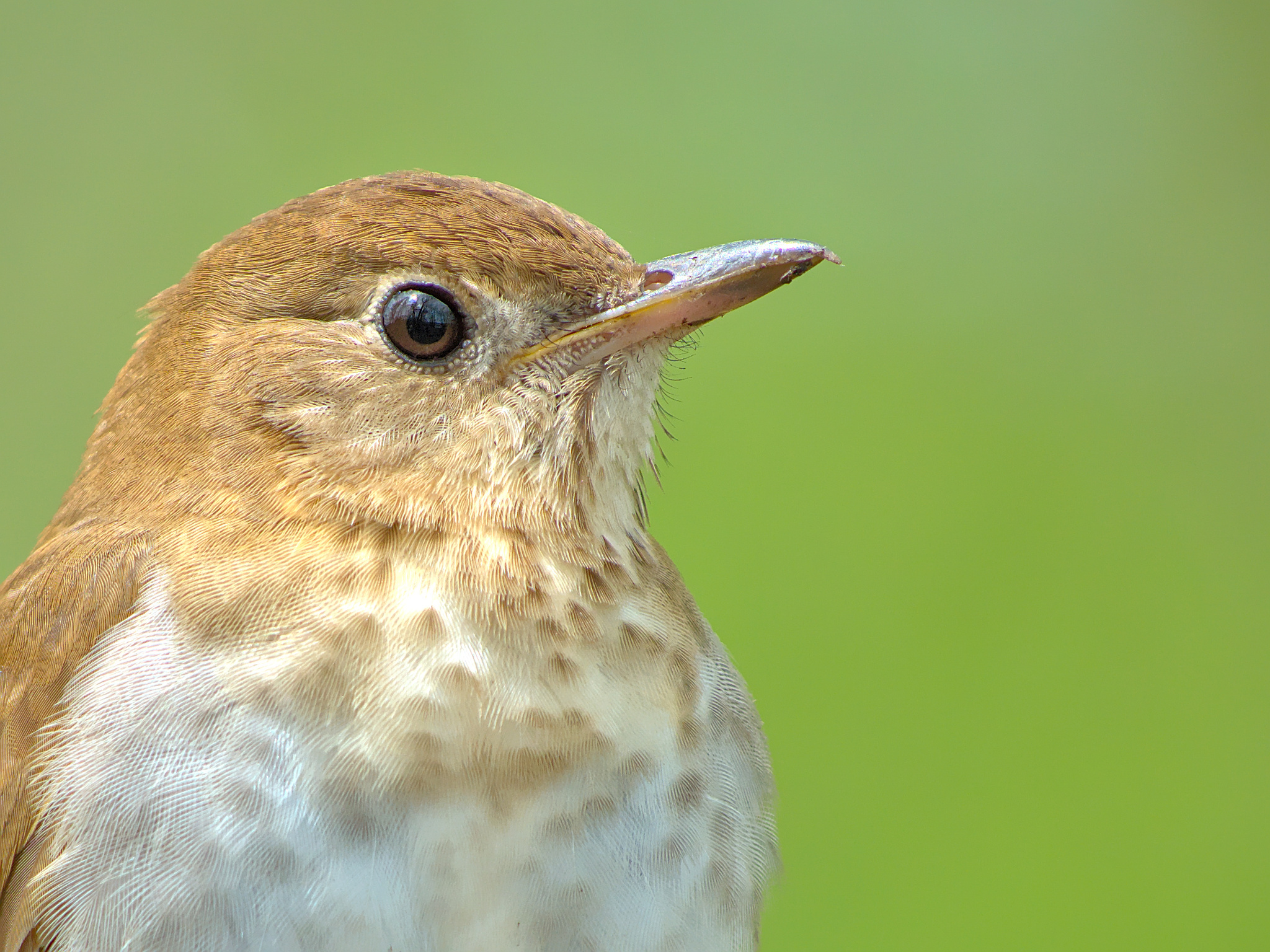
Veery (Catharus fuscescens) Veery

Media

Loading…

In short

The American Woodcock and Veery are distinct in both appearance and behavior. The American Woodcock is a plump, mottled shorebird with a long bill, while the Veery is a tawny-colored thrush known for its melodious song. Their habitats and behaviors also differ significantly, aiding in identification.

Identification tips

1. Bill: The American Woodcock has a long, straight bill ideal for probing soil, while the Veery has a shorter, typical thrush bill. 2. Plumage: Look for the mottled brown pattern of the Woodcock versus the uniform tawny color of the Veery. 3. Behavior: Observe the Woodcock's ground-dwelling and courtship displays; Veeries are more arboreal and secretive. 4. Habitat: Note the open fields and young forests for Woodcocks, versus the damp, wooded areas for Veeries. 5. Vocalization: Listen for the Woodcock's peenting and sky dance sounds, contrasting with the Veery's melodious song.

Size

The American Woodcock is generally larger and more robust than the smaller, more slender Veery.

Plumage

The American Woodcock has mottled, leaf-brown plumage that blends with the forest floor, whereas the Veery is a tawny-colored thrush with a more uniform appearance.

Behaviour

American Woodcocks are known for their unique courtship displays involving sky dances and peenting calls. Veeries, on the other hand, are more secretive and are known for their beautiful, cascading songs.

Habitat

American Woodcocks prefer young forests and old fields, often in more open areas. Veeries are found in damp, deciduous forests, often near streams or swamps.

Voice

The American Woodcock's vocalizations include peenting and twittering during courtship, while the Veery is known for its melodious, cascading song.

Submit a better description

Use the same sections as the comparison. Your text is published immediately.

The American Woodcock and Veery are distinct in both appearance and behavior. The American Woodcock is a plump, mottled shorebird with a long bill, while the Veery is a tawny-colored thrush known for its melodious song. Their habitats and behaviors also differ significantly, aiding in identification.

1. Bill: The American Woodcock has a long, straight bill ideal for probing soil, while the Veery has a shorter, typical thrush bill. 2. Plumage: Look for the mottled brown pattern of the Woodcock versus the uniform tawny color of the Veery. 3. Behavior: Observe the Woodcock's ground-dwelling and courtship displays; Veeries are more arboreal and secretive. 4. Habitat: Note the open fields and young forests for Woodcocks, versus the damp, wooded areas for Veeries. 5. Vocalization: Listen for the Woodcock's peenting and sky dance sounds, contrasting with the Veery's melodious song.

The American Woodcock is generally larger and more robust than the smaller, more slender Veery.

The American Woodcock has mottled, leaf-brown plumage that blends with the forest floor, whereas the Veery is a tawny-colored thrush with a more uniform appearance.

American Woodcocks are known for their unique courtship displays involving sky dances and peenting calls. Veeries, on the other hand, are more secretive and are known for their beautiful, cascading songs.

American Woodcocks prefer young forests and old fields, often in more open areas. Veeries are found in damp, deciduous forests, often near streams or swamps.

The American Woodcock's vocalizations include peenting and twittering during courtship, while the Veery is known for its melodious, cascading song.

Discard your changes?

You have unsaved edits. If you leave now, those changes will be lost.

American Woodcock · Veery · My Tricky Birds