Birdr

Baillon's Crake vs Black-tailed Crake

Zapornia pusilla versus Zapornia bicolor

Play a quiz with Baillon's Crake and Black-tailed Crake
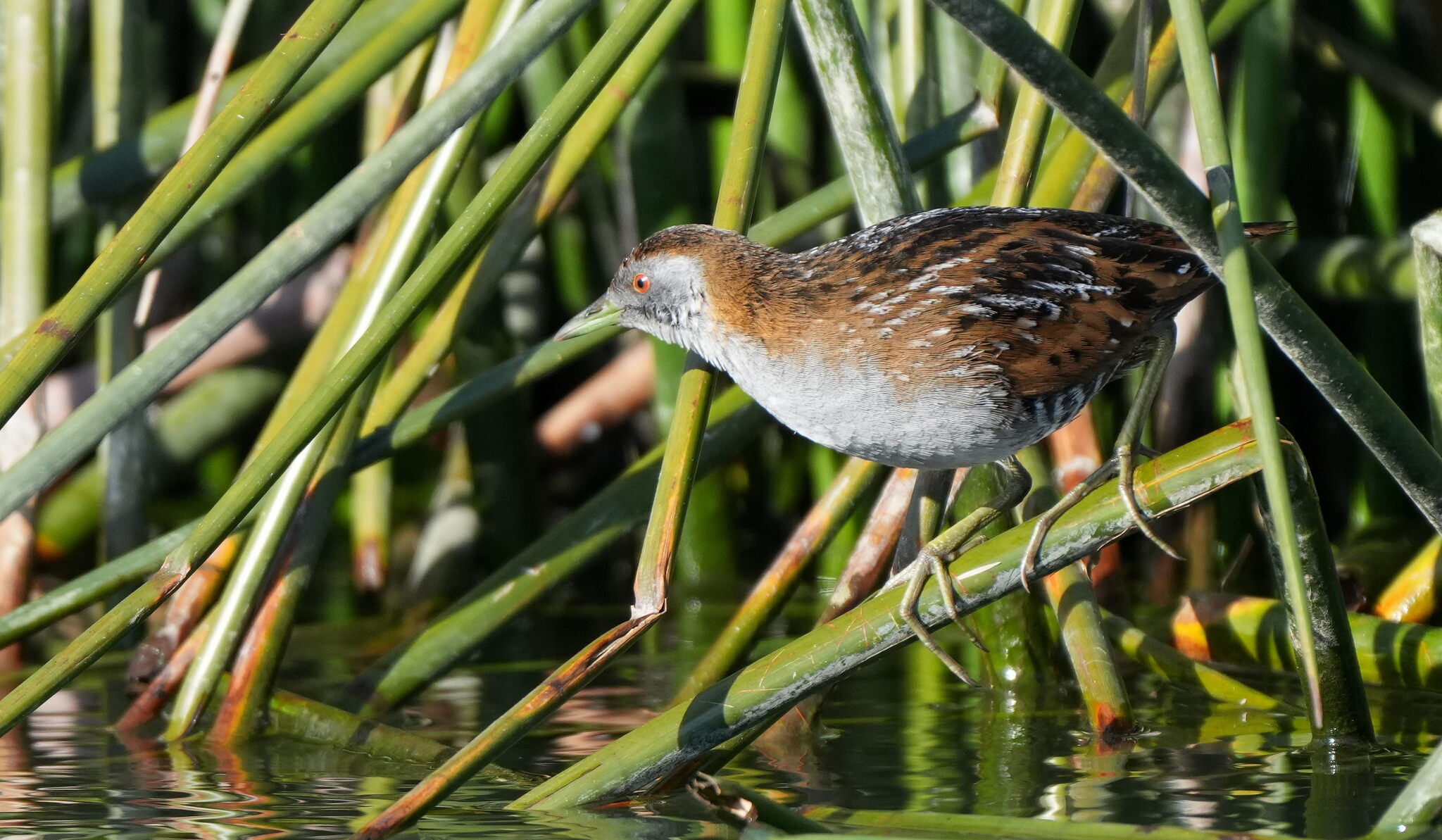
Baillon's Crake (Zapornia pusilla) Baillon's Crake
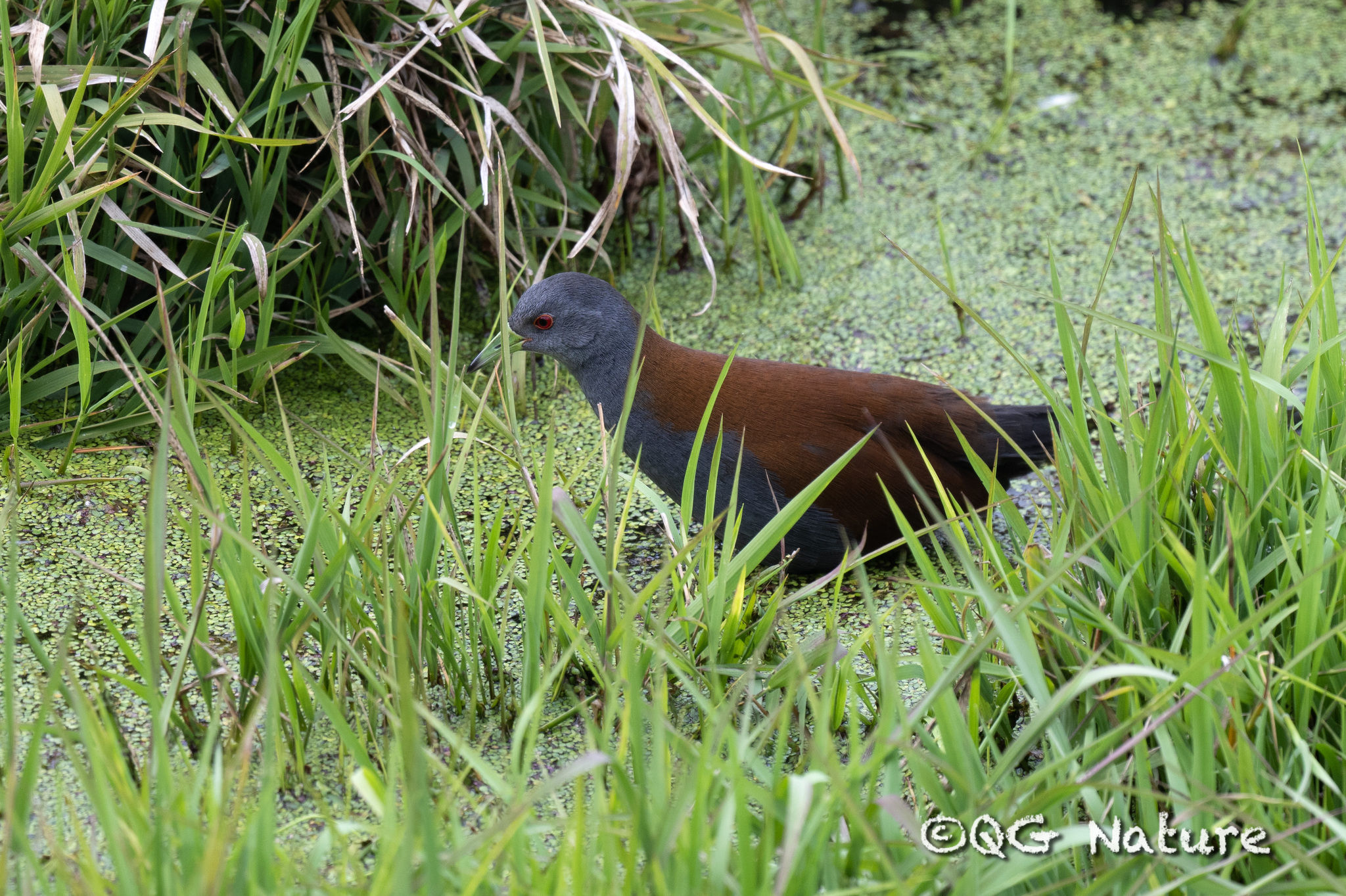
Black-tailed Crake (Zapornia bicolor) Black-tailed Crake

Media

Loading…

In short

Baillon's Crake and Black-tailed Crake are small, elusive rails with subtle differences. The most reliable field mark is the tail: Baillon's Crake has a shorter tail, while Black-tailed Crake has a distinctive black tail. Both species have similar body shapes, but their plumage and vocalizations can help in identification.

Identification tips

  1. Tail color: Look for the black tail in Black-tailed Crake. 2. Plumage contrast: Note the more contrasting plumage of Black-tailed Crake. 3. Habitat: Consider the habitat; Black-tailed Crake is more likely in montane regions. 4. Vocalizations: Listen for the distinct calls, especially during breeding season.

Size

Both species are similar in size, typical of small crakes.

Plumage

Baillon's Crake has a more uniform brownish body with less contrast, whereas Black-tailed Crake features a more contrasting plumage with a black tail and a reddish-brown back.

Behaviour

Both species are secretive and often found skulking in dense vegetation. They are more often heard than seen.

Habitat

Baillon's Crake prefers marshes and wetlands with dense vegetation, while Black-tailed Crake is often found in montane wetlands and grassy areas.

Voice

Vocalizations differ, with Baillon's Crake having a series of soft, repetitive notes, while Black-tailed Crake's call is a more distinct, harsh sound.

Submit a better description

Use the same sections as the comparison. Your text is published immediately.

Baillon's Crake and Black-tailed Crake are small, elusive rails with subtle differences. The most reliable field mark is the tail: Baillon's Crake has a shorter tail, while Black-tailed Crake has a distinctive black tail. Both species have similar body shapes, but their plumage and vocalizations can help in identification.

  1. Tail color: Look for the black tail in Black-tailed Crake. 2. Plumage contrast: Note the more contrasting plumage of Black-tailed Crake. 3. Habitat: Consider the habitat; Black-tailed Crake is more likely in montane regions. 4. Vocalizations: Listen for the distinct calls, especially during breeding season.

Both species are similar in size, typical of small crakes.

Baillon's Crake has a more uniform brownish body with less contrast, whereas Black-tailed Crake features a more contrasting plumage with a black tail and a reddish-brown back.

Both species are secretive and often found skulking in dense vegetation. They are more often heard than seen.

Baillon's Crake prefers marshes and wetlands with dense vegetation, while Black-tailed Crake is often found in montane wetlands and grassy areas.

Vocalizations differ, with Baillon's Crake having a series of soft, repetitive notes, while Black-tailed Crake's call is a more distinct, harsh sound.

Discard your changes?

You have unsaved edits. If you leave now, those changes will be lost.

Baillon's Crake · Black-tailed Crake · My Tricky Birds