Birdr

Baillon's Crake vs Stone-curlew

Zapornia pusilla versus Burhinus oedicnemus

Play a quiz with Baillon's Crake and Stone-curlew
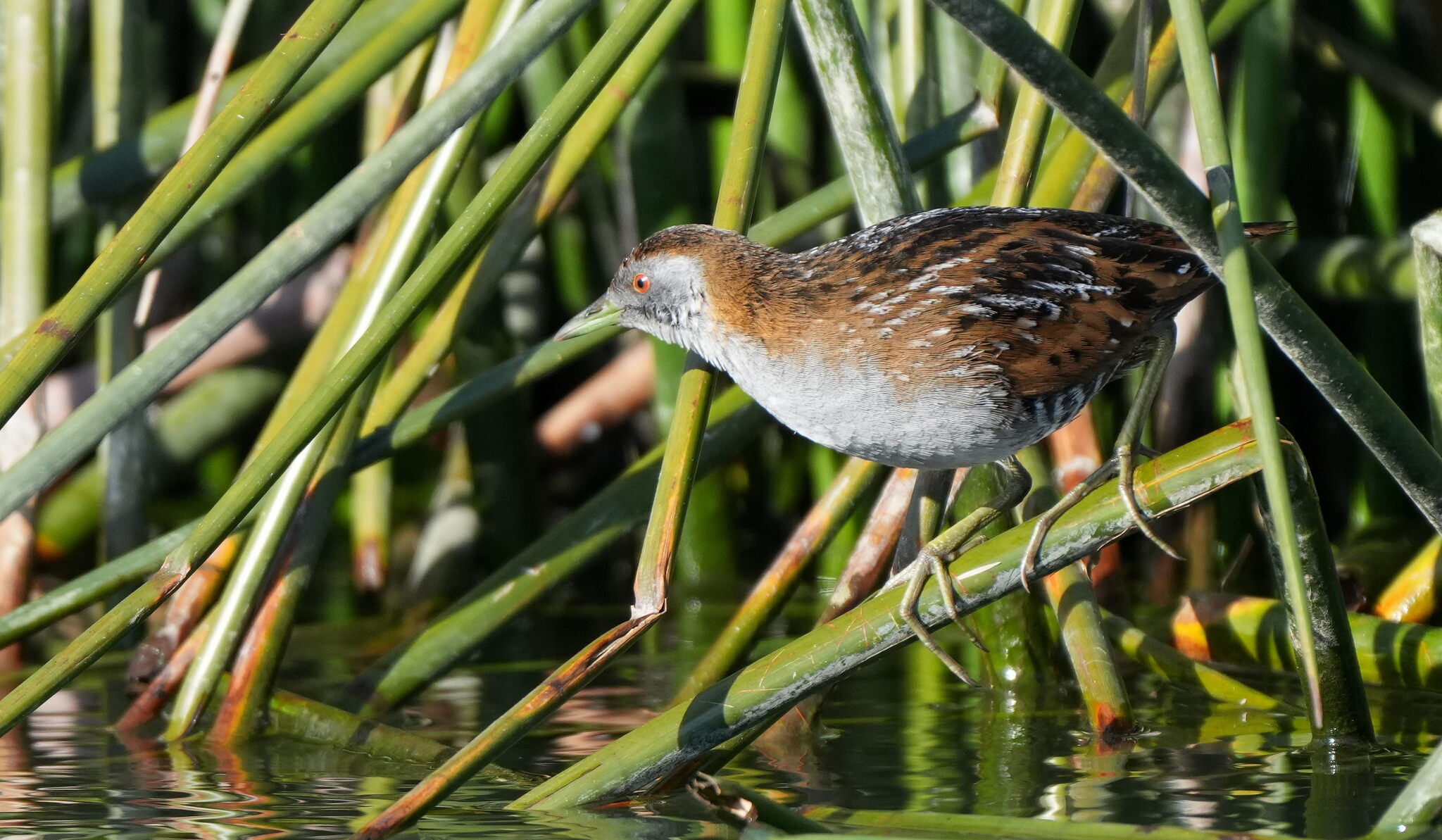
Baillon's Crake (Zapornia pusilla) Baillon's Crake
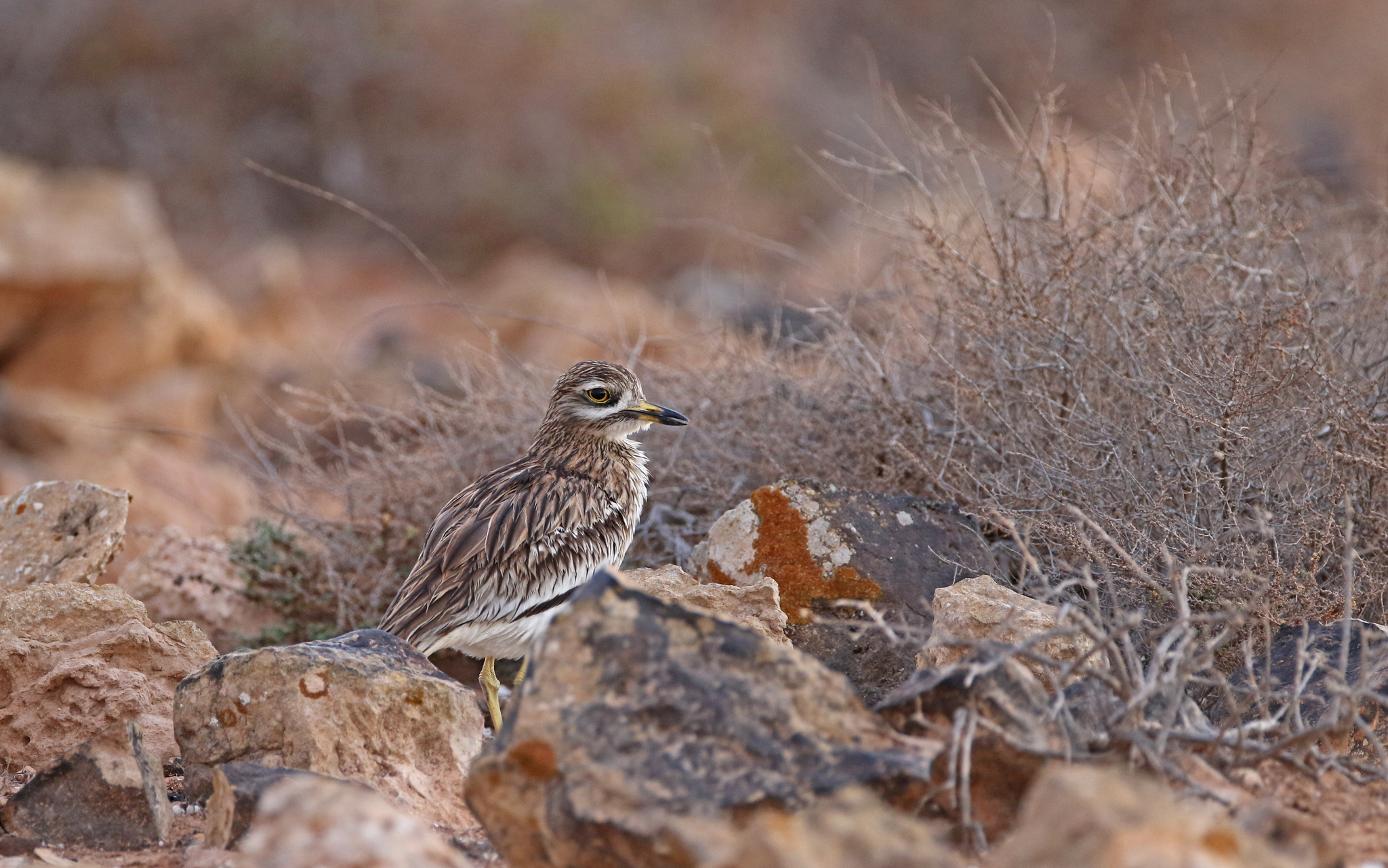
Stone-curlew (Burhinus oedicnemus) Stone-curlew

Media

Loading…

In short

Baillon's Crake and Stone-curlew are distinct in both size and habitat preference. The crake is a small, secretive marsh bird, while the Stone-curlew is a larger, more terrestrial species often found in open, dry areas. Their vocalizations and behaviors also differ significantly.

Identification tips

  1. Size and Structure: Note the small size and short tail of Baillon's Crake versus the larger, long-legged Stone-curlew. 2. Habitat: Check the environment; crakes are in wetlands, Stone-curlews in dry, open areas. 3. Plumage: Look for the barred flanks of the crake and the striking eye and wing pattern of the Stone-curlew. 4. Behavior: Observe behavior; crakes are secretive and often hidden, while Stone-curlews are more conspicuous. 5. Vocalizations: Listen for the soft calls of the crake compared to the loud, eerie calls of the Stone-curlew.

Size

Baillon's Crake is much smaller, similar in size to a sparrow, while the Stone-curlew is larger, comparable to a crow.

Plumage

Baillon's Crake has a brownish body with a barred pattern on the flanks and a short tail. The Stone-curlew has a more uniform brown plumage with distinctive yellow eyes and a bold black and white wing pattern visible in flight.

Behaviour

Baillon's Crake is often seen skulking in dense vegetation near water, while the Stone-curlew is more likely to be found standing in open fields or on bare ground, often motionless.

Habitat

Baillon's Crake prefers marshes, reedbeds, and wetlands. In contrast, the Stone-curlew favors dry, open habitats such as grasslands, fields, and semi-deserts.

Voice

Baillon's Crake has a series of soft, repetitive calls, while the Stone-curlew is known for its loud, wailing calls, especially at night.

Submit a better description

Use the same sections as the comparison. Your text is published immediately.

Baillon's Crake and Stone-curlew are distinct in both size and habitat preference. The crake is a small, secretive marsh bird, while the Stone-curlew is a larger, more terrestrial species often found in open, dry areas. Their vocalizations and behaviors also differ significantly.

  1. Size and Structure: Note the small size and short tail of Baillon's Crake versus the larger, long-legged Stone-curlew. 2. Habitat: Check the environment; crakes are in wetlands, Stone-curlews in dry, open areas. 3. Plumage: Look for the barred flanks of the crake and the striking eye and wing pattern of the Stone-curlew. 4. Behavior: Observe behavior; crakes are secretive and often hidden, while Stone-curlews are more conspicuous. 5. Vocalizations: Listen for the soft calls of the crake compared to the loud, eerie calls of the Stone-curlew.

Baillon's Crake is much smaller, similar in size to a sparrow, while the Stone-curlew is larger, comparable to a crow.

Baillon's Crake has a brownish body with a barred pattern on the flanks and a short tail. The Stone-curlew has a more uniform brown plumage with distinctive yellow eyes and a bold black and white wing pattern visible in flight.

Baillon's Crake is often seen skulking in dense vegetation near water, while the Stone-curlew is more likely to be found standing in open fields or on bare ground, often motionless.

Baillon's Crake prefers marshes, reedbeds, and wetlands. In contrast, the Stone-curlew favors dry, open habitats such as grasslands, fields, and semi-deserts.

Baillon's Crake has a series of soft, repetitive calls, while the Stone-curlew is known for its loud, wailing calls, especially at night.

Discard your changes?

You have unsaved edits. If you leave now, those changes will be lost.

Baillon's Crake · Stone-curlew · My Tricky Birds