Birdr

Band-tailed Antwren vs Ethiopian Cisticola

Myrmotherula urosticta versus Cisticola lugubris

Play a quiz with Band-tailed Antwren and Ethiopian Cisticola
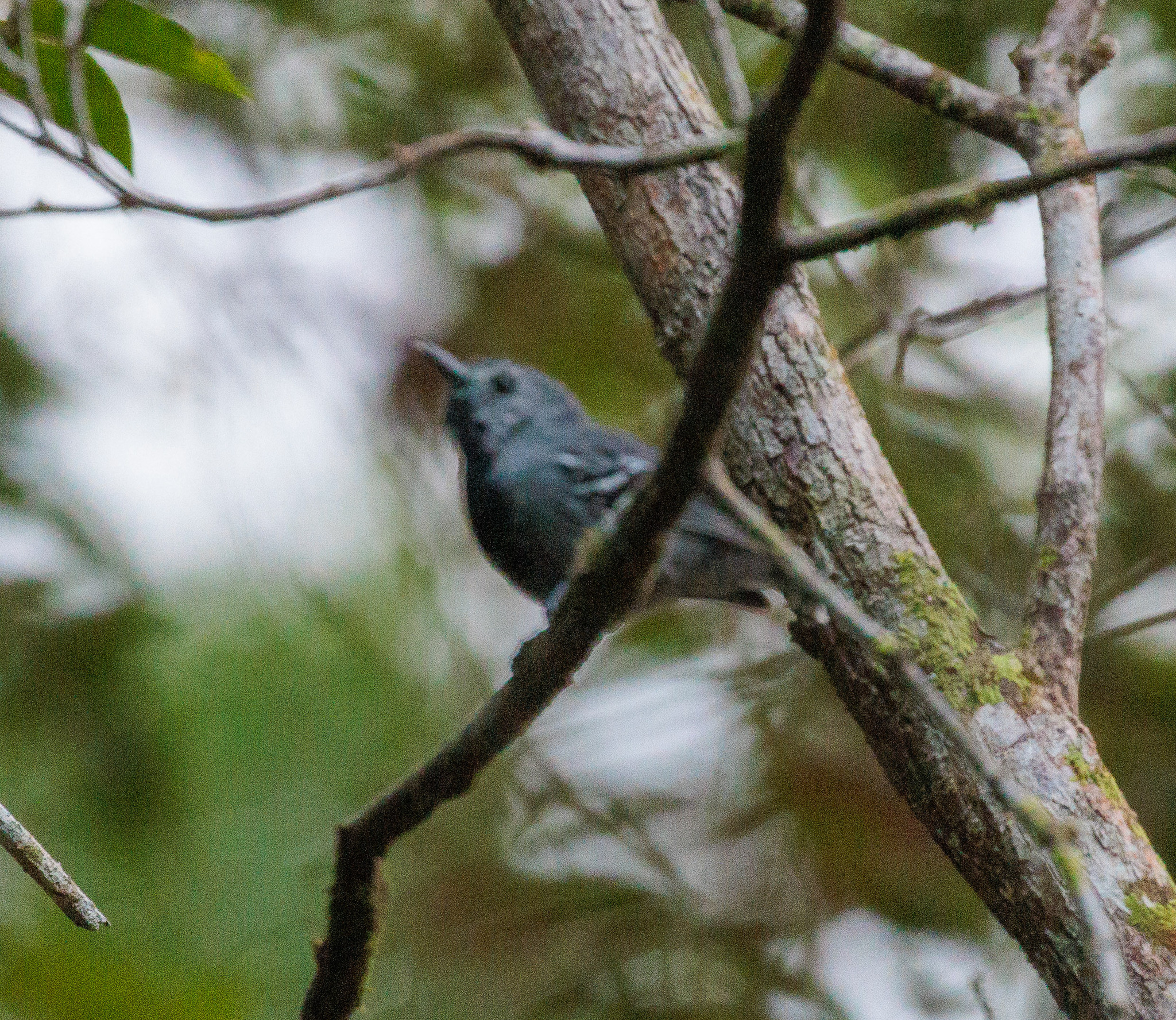
Band-tailed Antwren (Myrmotherula urosticta) Band-tailed Antwren
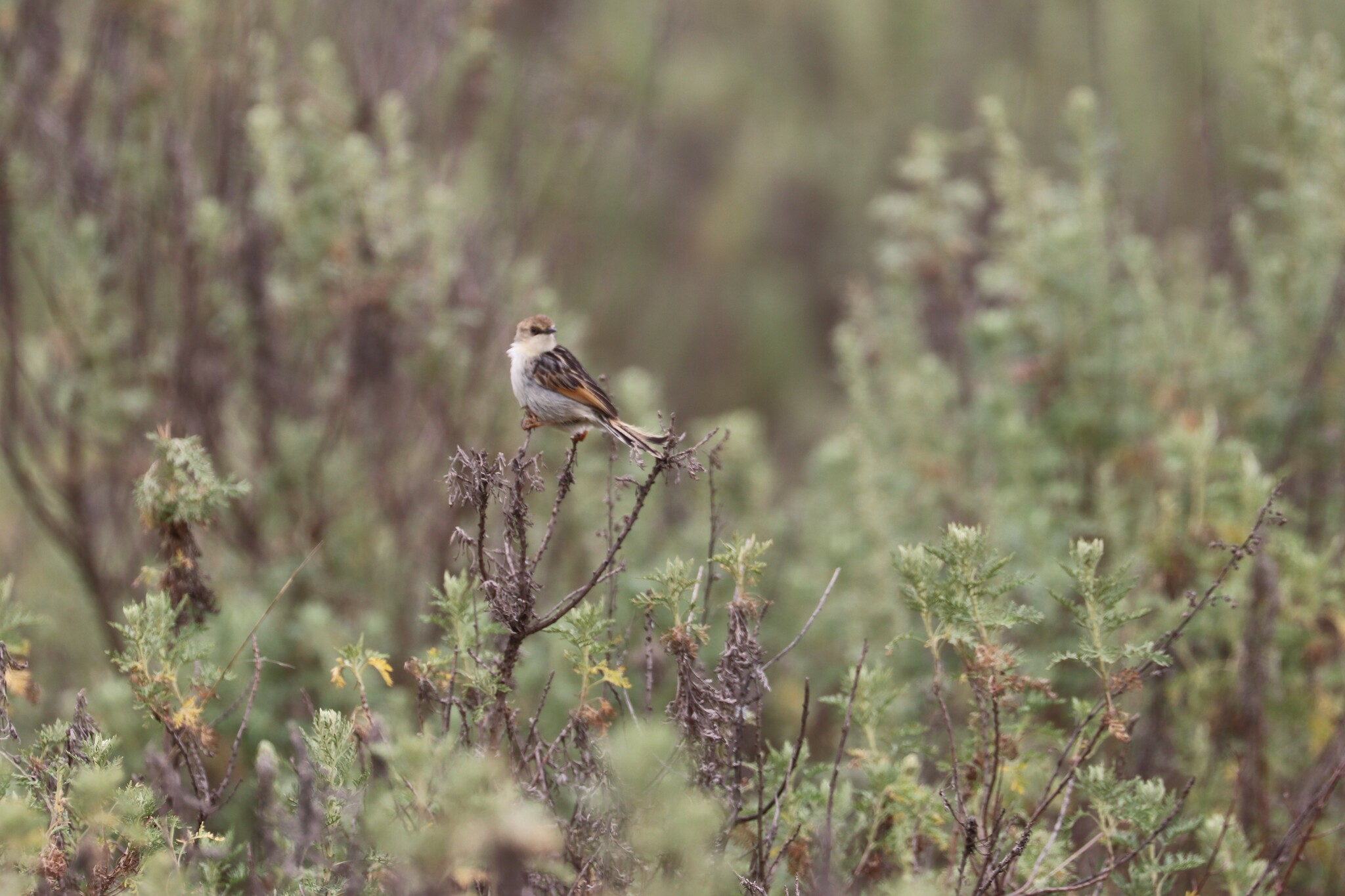
Ethiopian Cisticola (Cisticola lugubris) Ethiopian Cisticola

Media

Loading…

In short

The Band-tailed Antwren and Ethiopian Cisticola are not closely related and differ significantly in appearance and habitat. The Band-tailed Antwren is a small, forest-dwelling bird with distinctive banding on its tail, while the Ethiopian Cisticola is a grassland species with a more uniform appearance.

Identification tips

Look for the banded tail in the Band-tailed Antwren, which is a key distinguishing feature. Note the habitat: dense forests for the antwren versus open grasslands for the cisticola. Listen for vocal differences, as their calls are distinct. Observe behavior: antwrens are more often in dense foliage, while cisticolas perch in the open.

Size

The Band-tailed Antwren is generally smaller and more compact than the Ethiopian Cisticola.

Plumage

The Band-tailed Antwren has a distinctive banded tail and more contrasting plumage, whereas the Ethiopian Cisticola has a more uniform and less contrasting appearance.

Behaviour

Band-tailed Antwrens are typically found in the understory of dense forests, often in pairs or small groups. Ethiopian Cisticolas are more likely to be seen alone or in pairs in open grasslands, often perching conspicuously.

Habitat

Band-tailed Antwrens inhabit dense, humid forests, while Ethiopian Cisticolas are found in open grasslands and savannas.

Voice

The vocalizations of these species differ significantly, with the Band-tailed Antwren having a series of high-pitched notes, while the Ethiopian Cisticola produces more varied and complex calls.

Submit a better description

Use the same sections as the comparison. Your text is published immediately.

The Band-tailed Antwren and Ethiopian Cisticola are not closely related and differ significantly in appearance and habitat. The Band-tailed Antwren is a small, forest-dwelling bird with distinctive banding on its tail, while the Ethiopian Cisticola is a grassland species with a more uniform appearance.

Look for the banded tail in the Band-tailed Antwren, which is a key distinguishing feature. Note the habitat: dense forests for the antwren versus open grasslands for the cisticola. Listen for vocal differences, as their calls are distinct. Observe behavior: antwrens are more often in dense foliage, while cisticolas perch in the open.

The Band-tailed Antwren is generally smaller and more compact than the Ethiopian Cisticola.

The Band-tailed Antwren has a distinctive banded tail and more contrasting plumage, whereas the Ethiopian Cisticola has a more uniform and less contrasting appearance.

Band-tailed Antwrens are typically found in the understory of dense forests, often in pairs or small groups. Ethiopian Cisticolas are more likely to be seen alone or in pairs in open grasslands, often perching conspicuously.

Band-tailed Antwrens inhabit dense, humid forests, while Ethiopian Cisticolas are found in open grasslands and savannas.

The vocalizations of these species differ significantly, with the Band-tailed Antwren having a series of high-pitched notes, while the Ethiopian Cisticola produces more varied and complex calls.

Discard your changes?

You have unsaved edits. If you leave now, those changes will be lost.

Band-tailed Antwren · Ethiopian Cisticola · My Tricky Birds