Birdr

Bar-tailed Lark vs Trumpeter Finch

Ammomanes cinctura versus Bucanetes githagineus

Play a quiz with Bar-tailed Lark and Trumpeter Finch
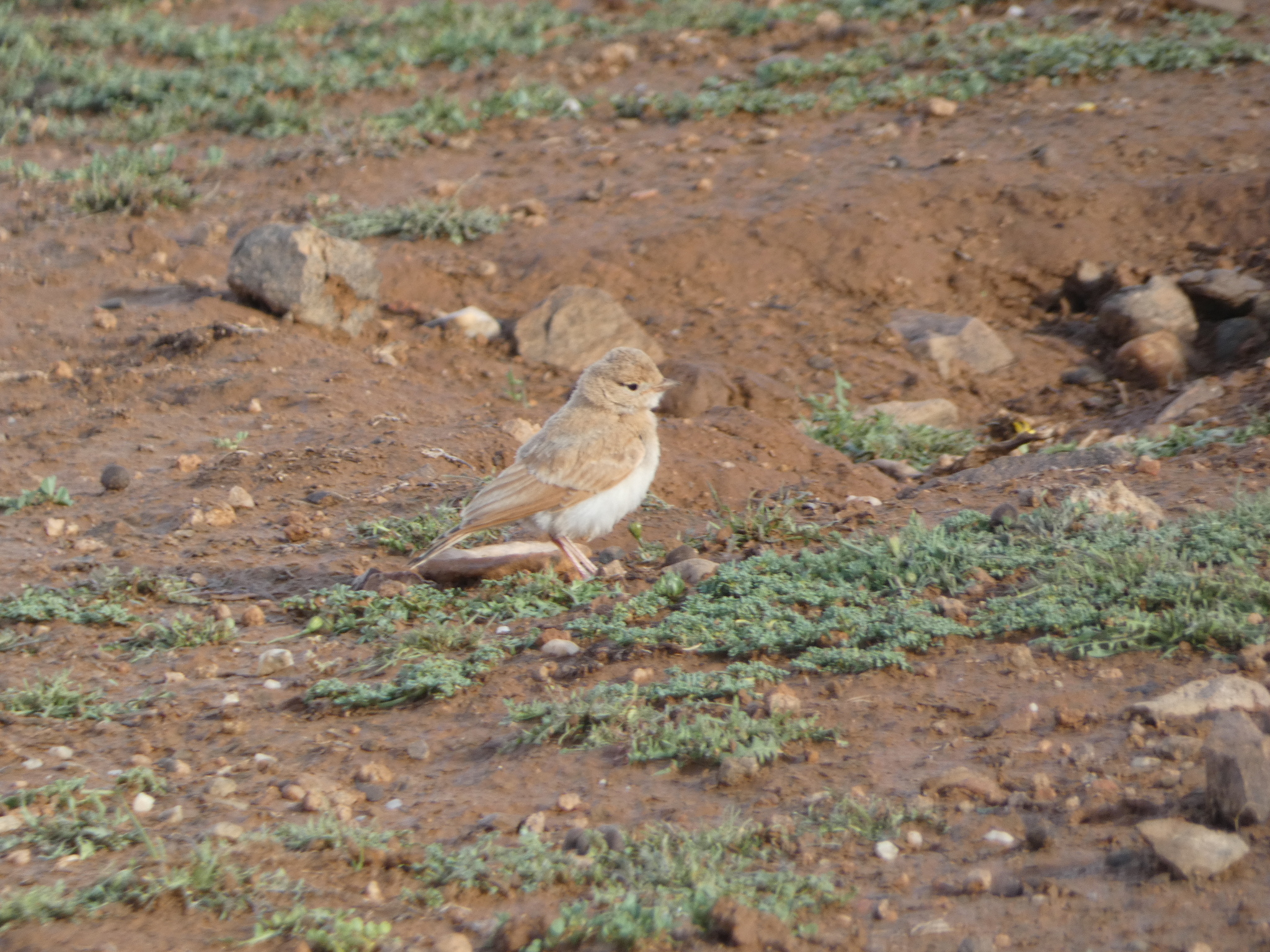
Bar-tailed Lark (Ammomanes cinctura) Bar-tailed Lark
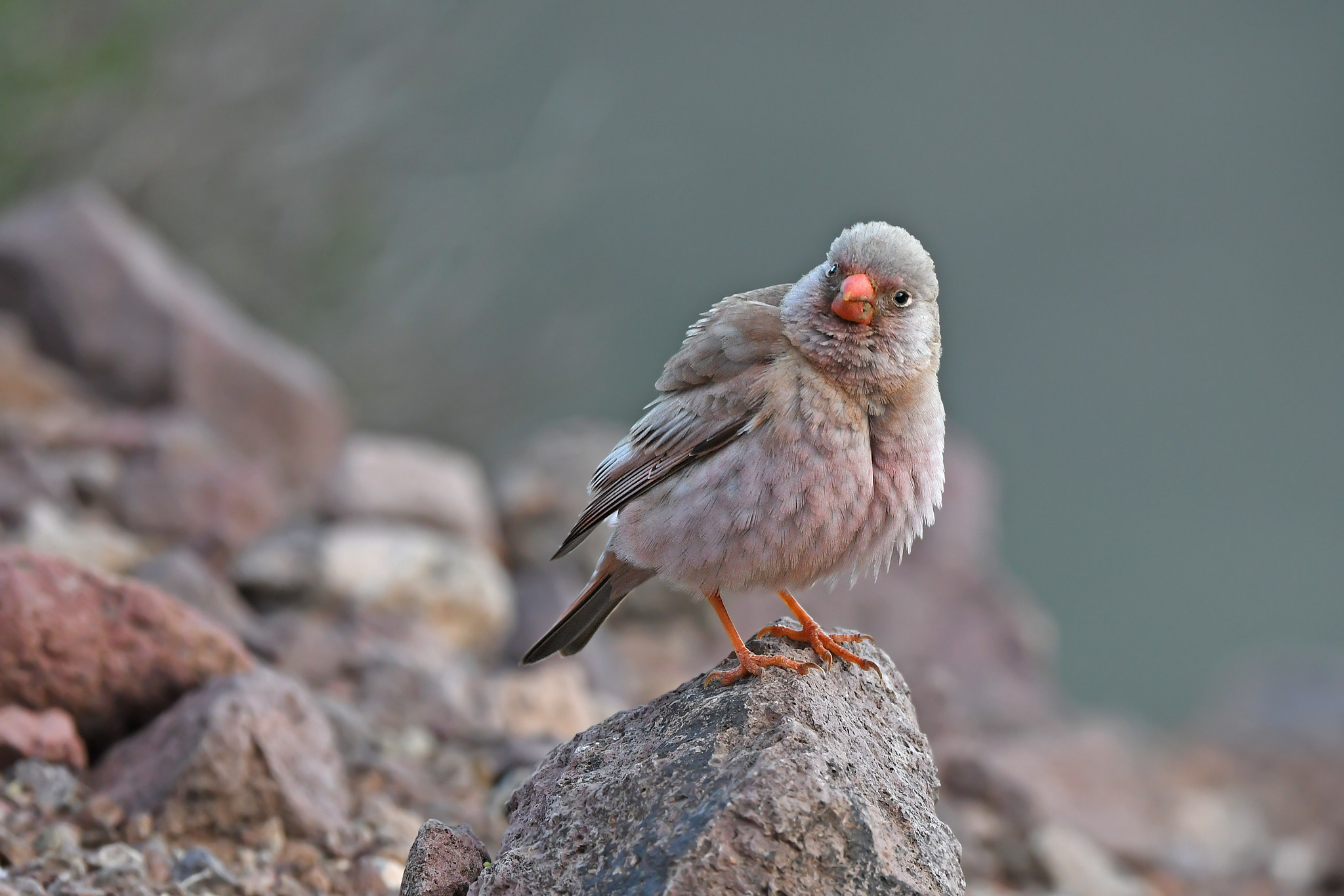
Trumpeter Finch (Bucanetes githagineus) Trumpeter Finch

Media

Loading…

In short

The Bar-tailed Lark and Trumpeter Finch can be distinguished primarily by their bill shape and plumage. The Bar-tailed Lark has a more slender, downward-curved bill, while the Trumpeter Finch features a stout, conical bill. Plumage differences include the Bar-tailed Lark's more uniform sandy color compared to the Trumpeter Finch's pinkish hue, especially noticeable on the face and underparts.

Identification tips

  1. Bill Shape: Look for the slender, curved bill of the Bar-tailed Lark versus the stout, conical bill of the Trumpeter Finch. 2. Plumage Color: Note the sandy-brown of the Bar-tailed Lark compared to the pinkish tones of the Trumpeter Finch. 3. Habitat: Consider the habitat; Bar-tailed Larks are more likely in open sandy areas, while Trumpeter Finches prefer rocky terrains. 4. Vocalization: Listen for the Trumpeter Finch's trumpet-like call, which is a key distinguishing feature.

Size

Both species are small, but the Bar-tailed Lark is slightly larger and more elongated than the compact Trumpeter Finch.

Plumage

The Bar-tailed Lark is predominantly sandy-brown with a subtle bar on the tail, whereas the Trumpeter Finch exhibits a pinkish wash, particularly on the face and underparts. The Finch's plumage can appear more vibrant, especially in males during the breeding season.

Behaviour

The Bar-tailed Lark often forages on the ground in open sandy areas, while the Trumpeter Finch may be seen in small flocks, often near water sources.

Habitat

Both species inhabit arid regions, but the Bar-tailed Lark prefers open sandy deserts, while the Trumpeter Finch is more likely to be found in rocky or stony deserts and semi-deserts.

Voice

The Trumpeter Finch is known for its distinctive, trumpet-like call, which is unlike the more subdued and less musical calls of the Bar-tailed Lark.

Submit a better description

Use the same sections as the comparison. Your text is published immediately.

The Bar-tailed Lark and Trumpeter Finch can be distinguished primarily by their bill shape and plumage. The Bar-tailed Lark has a more slender, downward-curved bill, while the Trumpeter Finch features a stout, conical bill. Plumage differences include the Bar-tailed Lark's more uniform sandy color compared to the Trumpeter Finch's pinkish hue, especially noticeable on the face and underparts.

  1. Bill Shape: Look for the slender, curved bill of the Bar-tailed Lark versus the stout, conical bill of the Trumpeter Finch. 2. Plumage Color: Note the sandy-brown of the Bar-tailed Lark compared to the pinkish tones of the Trumpeter Finch. 3. Habitat: Consider the habitat; Bar-tailed Larks are more likely in open sandy areas, while Trumpeter Finches prefer rocky terrains. 4. Vocalization: Listen for the Trumpeter Finch's trumpet-like call, which is a key distinguishing feature.

Both species are small, but the Bar-tailed Lark is slightly larger and more elongated than the compact Trumpeter Finch.

The Bar-tailed Lark is predominantly sandy-brown with a subtle bar on the tail, whereas the Trumpeter Finch exhibits a pinkish wash, particularly on the face and underparts. The Finch's plumage can appear more vibrant, especially in males during the breeding season.

The Bar-tailed Lark often forages on the ground in open sandy areas, while the Trumpeter Finch may be seen in small flocks, often near water sources.

Both species inhabit arid regions, but the Bar-tailed Lark prefers open sandy deserts, while the Trumpeter Finch is more likely to be found in rocky or stony deserts and semi-deserts.

The Trumpeter Finch is known for its distinctive, trumpet-like call, which is unlike the more subdued and less musical calls of the Bar-tailed Lark.

Discard your changes?

You have unsaved edits. If you leave now, those changes will be lost.

Bar-tailed Lark · Trumpeter Finch · My Tricky Birds