
Bay-backed Shrike vs Grey-backed Shrike
Lanius vittatus versus Lanius tephronotus
Play a quiz with Bay-backed Shrike and Grey-backed Shrike
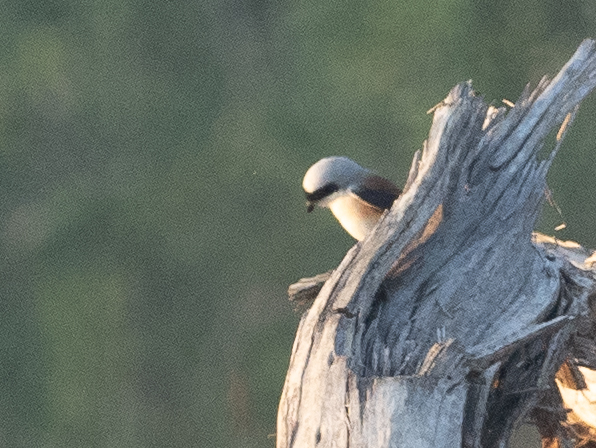 Bay-backed Shrike
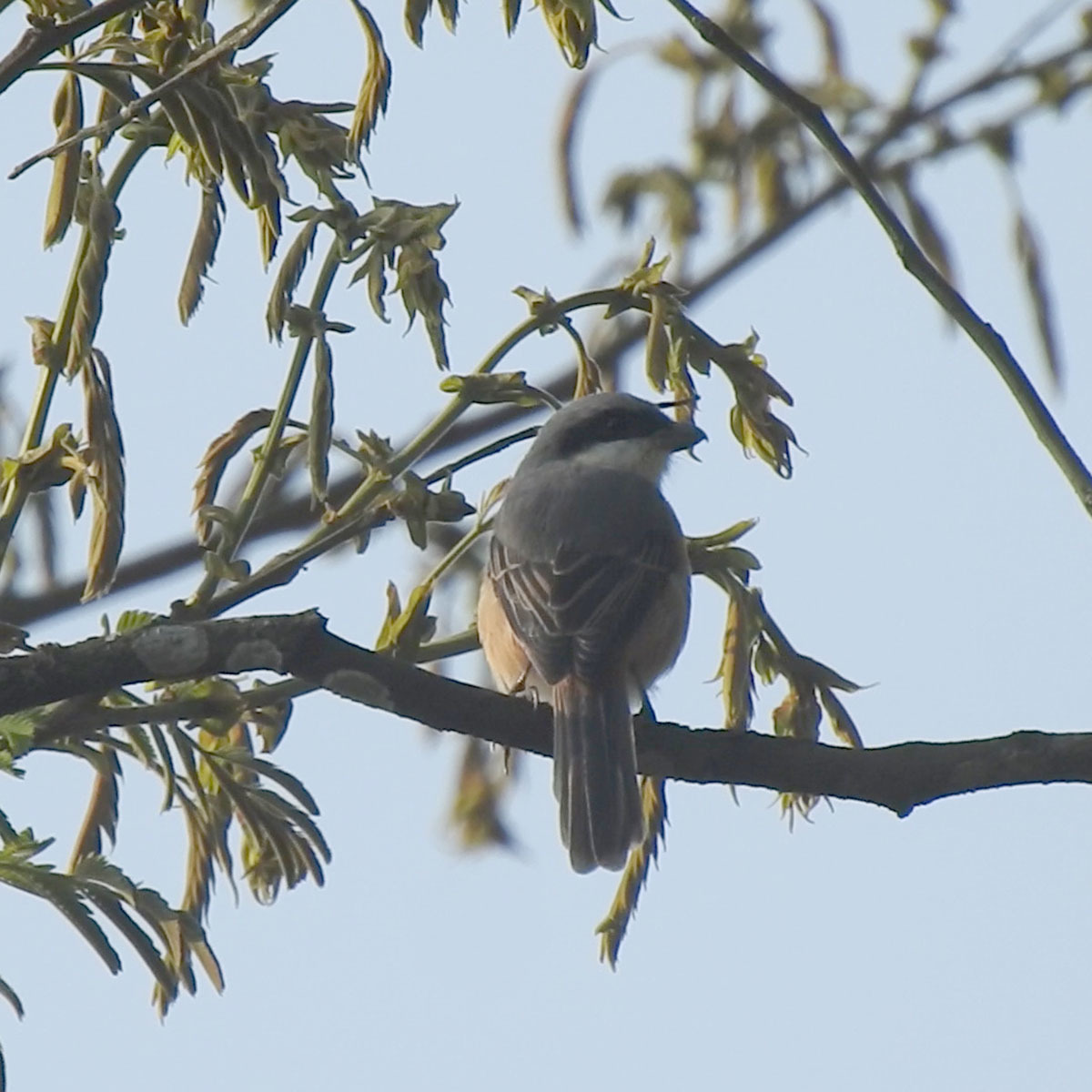 Grey-backed Shrike
In short
The Bay-backed Shrike and Grey-backed Shrike are similar in size and structure, but differ in plumage. The Bay-backed Shrike has a distinctive chestnut back, while the Grey-backed Shrike sports a grey back. Both species have a black mask, but their overall coloration is the key to telling them apart.
Identification tips
- Check the back color: Bay-backed Shrike has a chestnut back, Grey-backed Shrike has a grey back.
- Look for the black mask: Both have it, but the surrounding plumage color helps differentiate them.
- Consider the habitat: Bay-backed prefers open areas, Grey-backed more forested edges.
- Observe behavior: Both perch prominently, but habitat context can aid identification.
Size
Both species are similar in size, typical of shrikes, with no significant difference in structure or proportions.
Plumage
The Bay-backed Shrike has a chestnut back and a white underbelly, contrasting with its black mask and wings. In contrast, the Grey-backed Shrike features a grey back and a more uniform greyish tone overall, maintaining the black mask and wings.
Behaviour
Both species exhibit typical shrike behavior, often seen perched prominently while hunting for insects and small prey.
Habitat
Bay-backed Shrikes are often found in open scrub and cultivated areas, while Grey-backed Shrikes prefer more forested edges and open woodlands. However, there can be overlap in their ranges.
Voice
Both species have similar shrike-like calls, but specific differences in their vocalizations are not well-documented.