
Bicknell's Thrush vs Grey-crowned Rosy-Finch
Catharus bicknelli versus Leucosticte tephrocotis
Play a quiz with Bicknell's Thrush and Grey-crowned Rosy-Finch
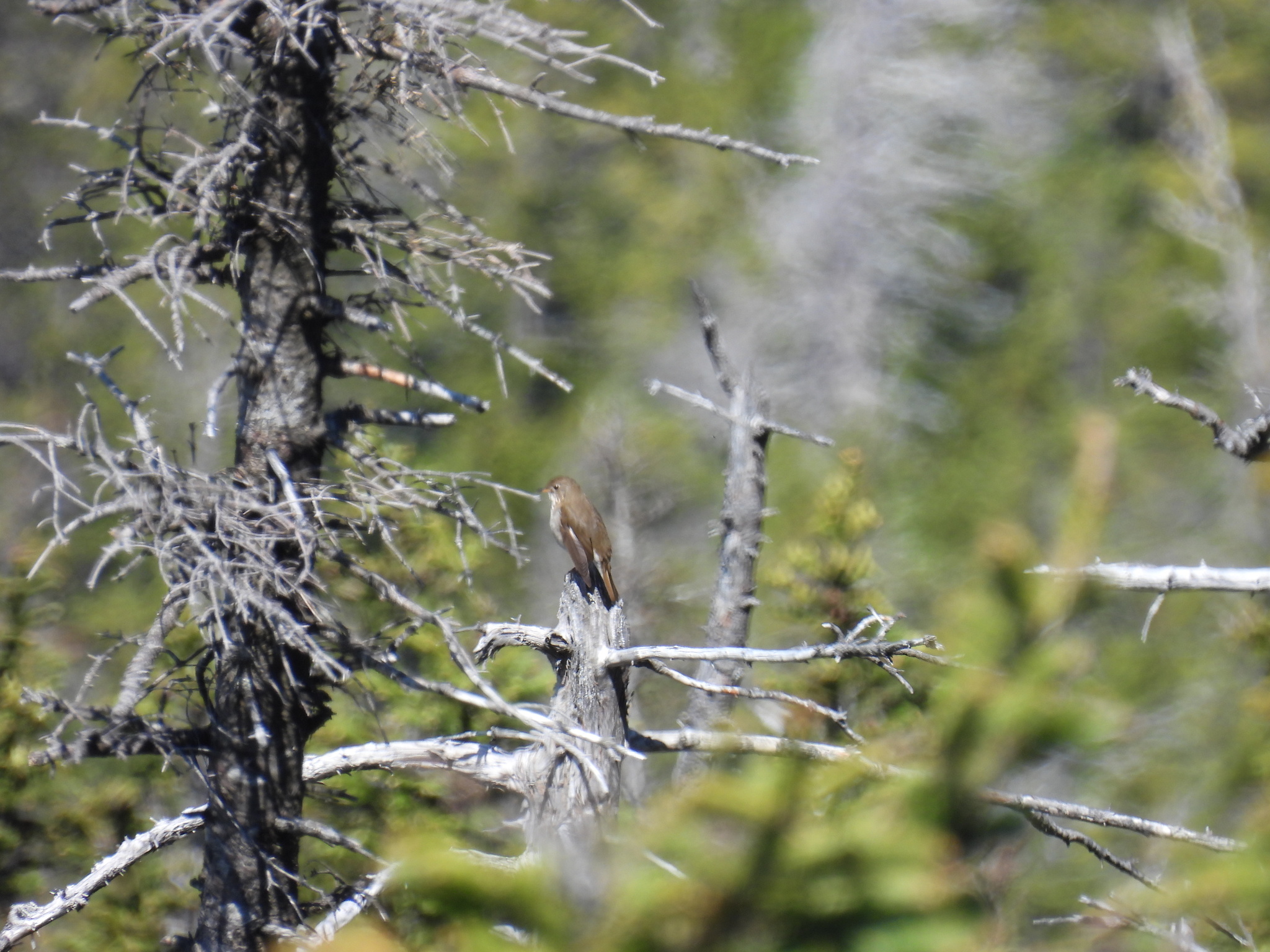 Bicknell's Thrush
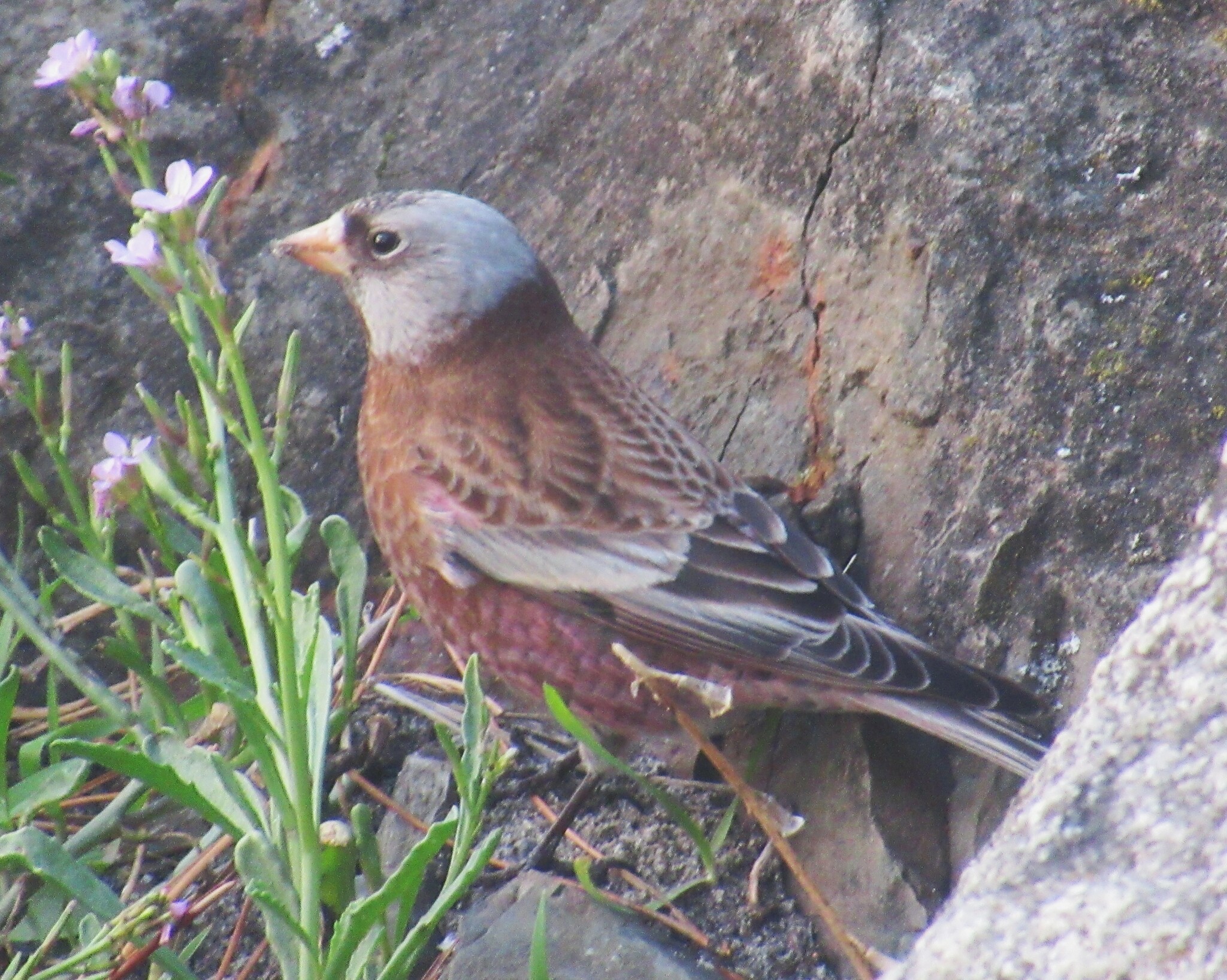 Grey-crowned Rosy-Finch
In short
Bicknell's Thrush and Gray-crowned Rosy-Finch are distinct in both appearance and habitat. Bicknell's Thrush is a reclusive bird of high-elevation spruce-fir forests in the Northeast, while the Gray-crowned Rosy-Finch is found in alpine and tundra regions of the western mountains. The thrush is generally more secretive and difficult to observe, whereas the finch is more conspicuous in open habitats.
Identification tips
- Location: Bicknell's Thrush is found in the Northeast, while the Gray-crowned Rosy-Finch is in western alpine regions. 2. Plumage: Look for the gray crown and pinkish body of the Rosy-Finch. 3. Behavior: Observe the time of activity; Bicknell's is more active at dawn/dusk. 4. Habitat: Note the forested vs. open alpine environments.
Size
Bicknell's Thrush is smaller and more slender than the robust Gray-crowned Rosy-Finch.
Plumage
Bicknell's Thrush has a more uniform brownish-olive plumage with a faint eye-ring, while the Gray-crowned Rosy-Finch has a distinctive gray crown and pinkish body with darker wings and tail.
Behaviour
Bicknell's Thrush is elusive and often active at dawn and dusk, whereas the Gray-crowned Rosy-Finch is more visible during the day, often foraging in flocks.
Habitat
Bicknell's Thrush inhabits fragmented high-elevation spruce-fir forests in the Northeast, while the Gray-crowned Rosy-Finch is found in alpine and tundra regions of the western mountains.
Voice
Vocalizations are not detailed here, but Bicknell's Thrush is known for its distinctive, flute-like song, while the Gray-crowned Rosy-Finch's calls are more finch-like and less musical.
Bicknell's Thrush · Grey-crowned Rosy-Finch · My Tricky Birds