Birdr

Bimaculated Lark vs Black Lark

Melanocorypha bimaculata versus Melanocorypha yeltoniensis

Play a quiz with Bimaculated Lark and Black Lark
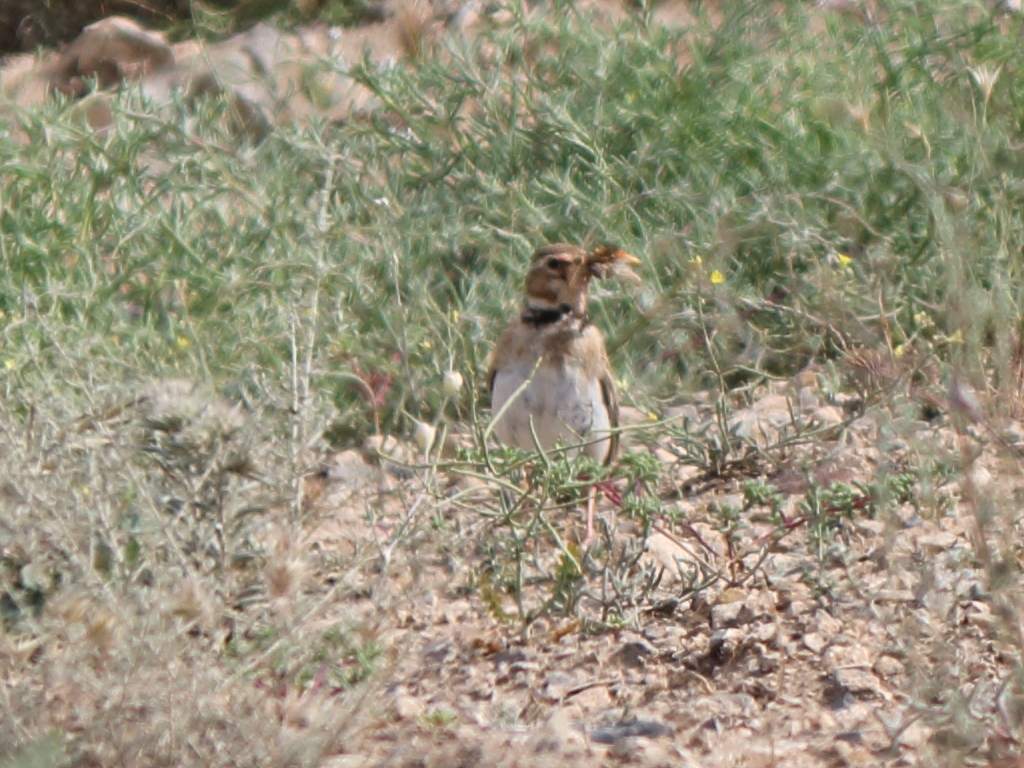
Bimaculated Lark (Melanocorypha bimaculata) Bimaculated Lark
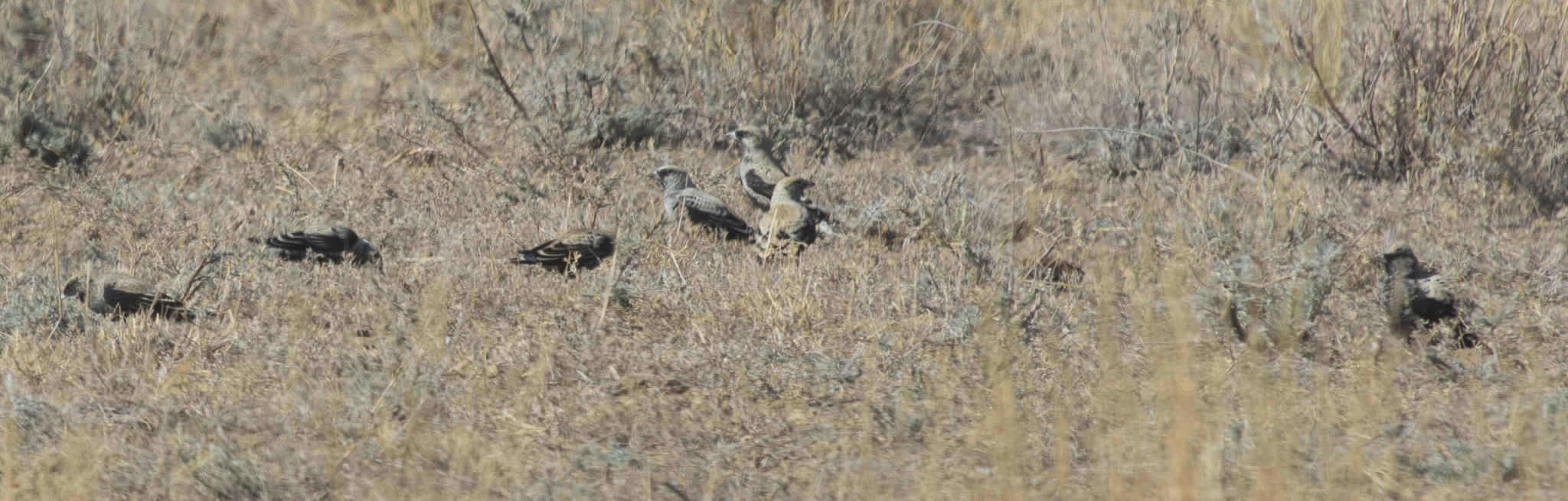
Black Lark (Melanocorypha yeltoniensis) Black Lark

Media

Loading…

In short

The Bimaculated Lark and Black Lark can be distinguished by their plumage and habitat preferences. The Bimaculated Lark has a more subtle coloration with distinct markings, while the Black Lark is more uniformly dark, especially in males. Both species share similar body structures typical of larks.

Identification tips

  1. Look for the two black neck patches on the Bimaculated Lark. 2. Note the uniform black plumage of male Black Larks. 3. Consider habitat: Bimaculated Larks are in drier areas, Black Larks in grasslands. 4. Listen for song differences: Bimaculated Lark's song is more varied.

Size

Both species are similar in size, typical of medium-sized larks, with no significant differences in body structure.

Plumage

The Bimaculated Lark has a pale brown plumage with two distinct black patches on the sides of its neck, which are key identifiers. In contrast, the male Black Lark is mostly black, while females are brown with less contrast. The Black Lark lacks the neck patches seen in the Bimaculated Lark.

Behaviour

Both species exhibit typical lark behavior, such as ground foraging and singing in flight, with no notable behavioral differences.

Habitat

Bimaculated Larks prefer open, arid landscapes like steppes and semi-deserts, while Black Larks are more associated with grasslands and steppes, often in wetter areas.

Voice

The Bimaculated Lark's song is more varied and melodic, whereas the Black Lark's song is simpler and less musical. Calls are similar and not a reliable differentiator.

Submit a better description

Use the same sections as the comparison. Your text is published immediately.

The Bimaculated Lark and Black Lark can be distinguished by their plumage and habitat preferences. The Bimaculated Lark has a more subtle coloration with distinct markings, while the Black Lark is more uniformly dark, especially in males. Both species share similar body structures typical of larks.

  1. Look for the two black neck patches on the Bimaculated Lark. 2. Note the uniform black plumage of male Black Larks. 3. Consider habitat: Bimaculated Larks are in drier areas, Black Larks in grasslands. 4. Listen for song differences: Bimaculated Lark's song is more varied.

Both species are similar in size, typical of medium-sized larks, with no significant differences in body structure.

The Bimaculated Lark has a pale brown plumage with two distinct black patches on the sides of its neck, which are key identifiers. In contrast, the male Black Lark is mostly black, while females are brown with less contrast. The Black Lark lacks the neck patches seen in the Bimaculated Lark.

Both species exhibit typical lark behavior, such as ground foraging and singing in flight, with no notable behavioral differences.

Bimaculated Larks prefer open, arid landscapes like steppes and semi-deserts, while Black Larks are more associated with grasslands and steppes, often in wetter areas.

The Bimaculated Lark's song is more varied and melodic, whereas the Black Lark's song is simpler and less musical. Calls are similar and not a reliable differentiator.

Discard your changes?

You have unsaved edits. If you leave now, those changes will be lost.

Bimaculated Lark · Black Lark · My Tricky Birds