
Black-bellied Whistling-Duck vs Emperor Goose
Dendrocygna autumnalis versus Anser canagicus
Play a quiz with Black-bellied Whistling-Duck and Emperor Goose
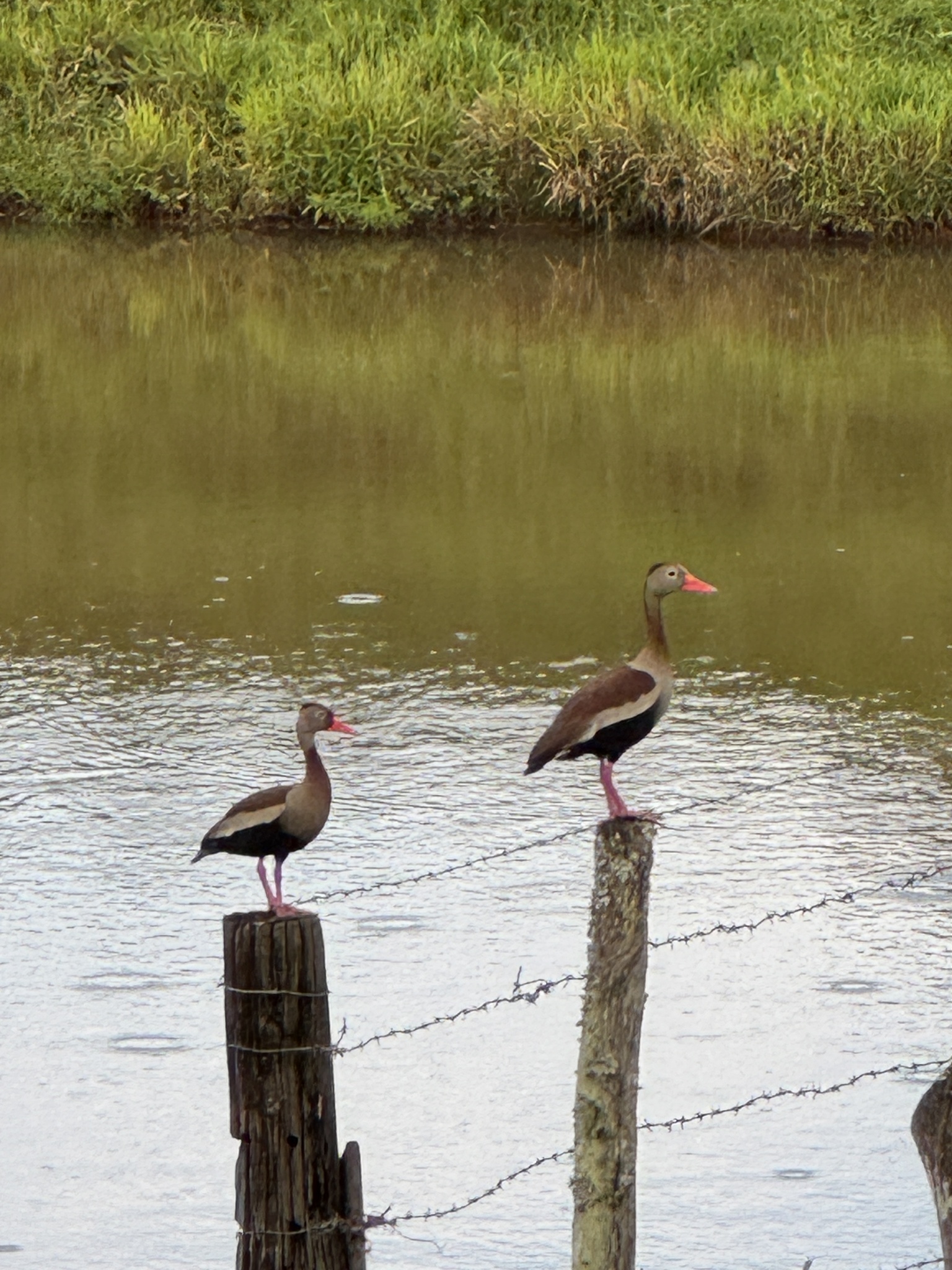 Black-bellied Whistling-Duck
 Emperor Goose
In short
The Black-bellied Whistling-Duck and the Emperor Goose are distinct in both appearance and behavior. The whistling-duck is characterized by its striking black belly and pink legs, while the Emperor Goose is noted for its unique white head and contrasting dark body. These differences are visible even from a distance, making identification straightforward.
Identification tips
- Look for the black belly and pink legs to identify the Black-bellied Whistling-Duck. 2. Note the white head and scaly body pattern of the Emperor Goose. 3. Consider habitat: whistling-ducks are in freshwater areas, while geese are in coastal regions. 4. Listen for the distinct whistling call of the whistling-duck versus the guttural call of the goose.
Size
The Black-bellied Whistling-Duck is smaller and more slender compared to the bulkier Emperor Goose.
Plumage
Black-bellied Whistling-Ducks have a black belly, chestnut body, and pink legs, with a distinctive white wing patch visible in flight. In contrast, the Emperor Goose has a white head, a dark body with a scaly pattern, and orange legs.
Behaviour
Black-bellied Whistling-Ducks are often seen perched in trees or on the ground, whereas Emperor Geese are more commonly found foraging in tidal flats or coastal areas.
Habitat
Black-bellied Whistling-Ducks prefer freshwater wetlands and are expanding their range in the southern United States. Emperor Geese are typically found in coastal and tundra habitats in Alaska and northeastern Russia.
Voice
Black-bellied Whistling-Ducks are known for their high-pitched whistling calls. Emperor Geese have a more guttural call, which is less musical than the whistling-duck's.
Black-bellied Whistling-Duck · Emperor Goose · My Tricky Birds