
Black-bellied Whistling-Duck vs Muscovy Duck
Dendrocygna autumnalis versus Cairina moschata
Play a quiz with Black-bellied Whistling-Duck and Muscovy Duck
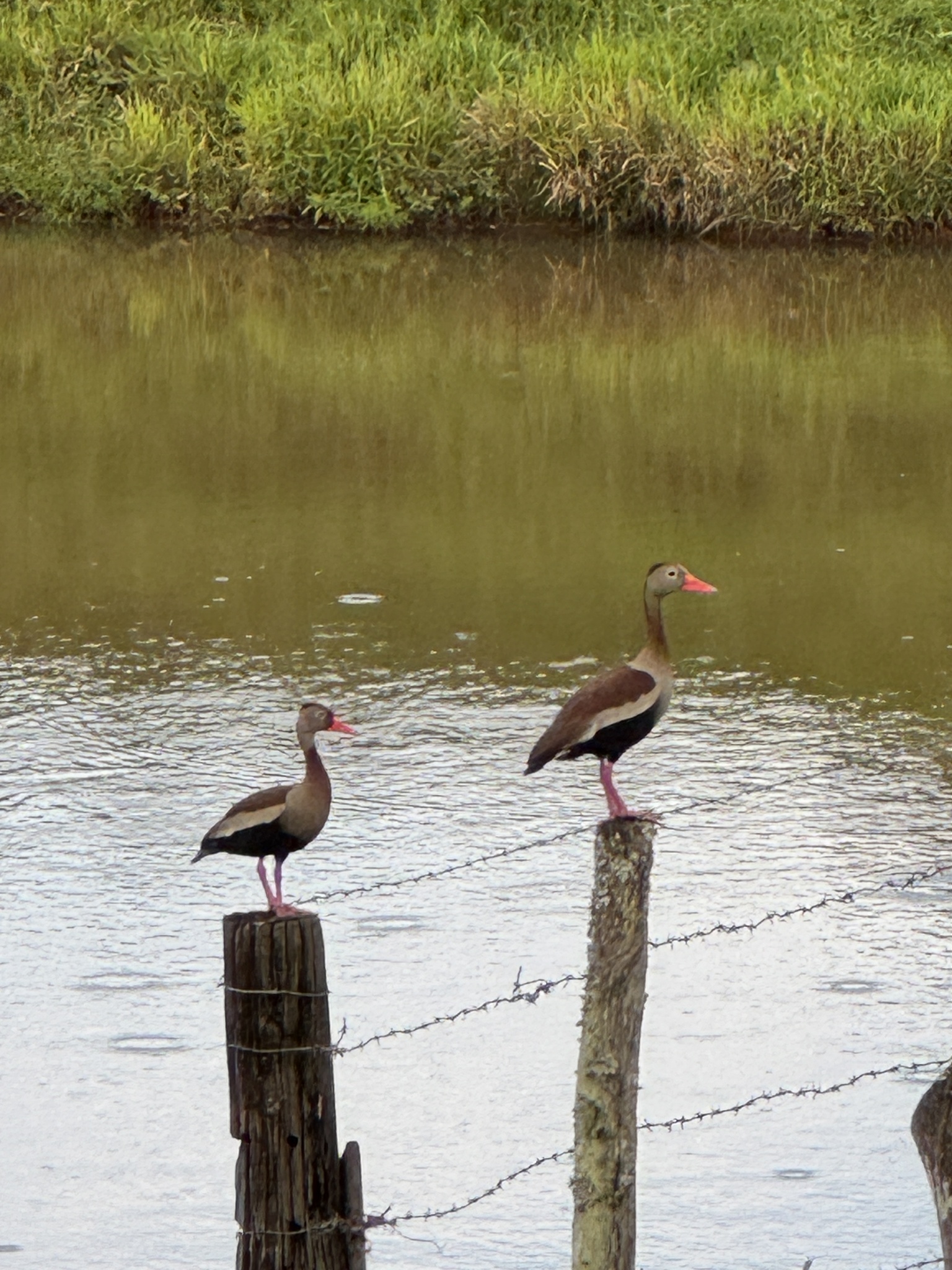 Black-bellied Whistling-Duck
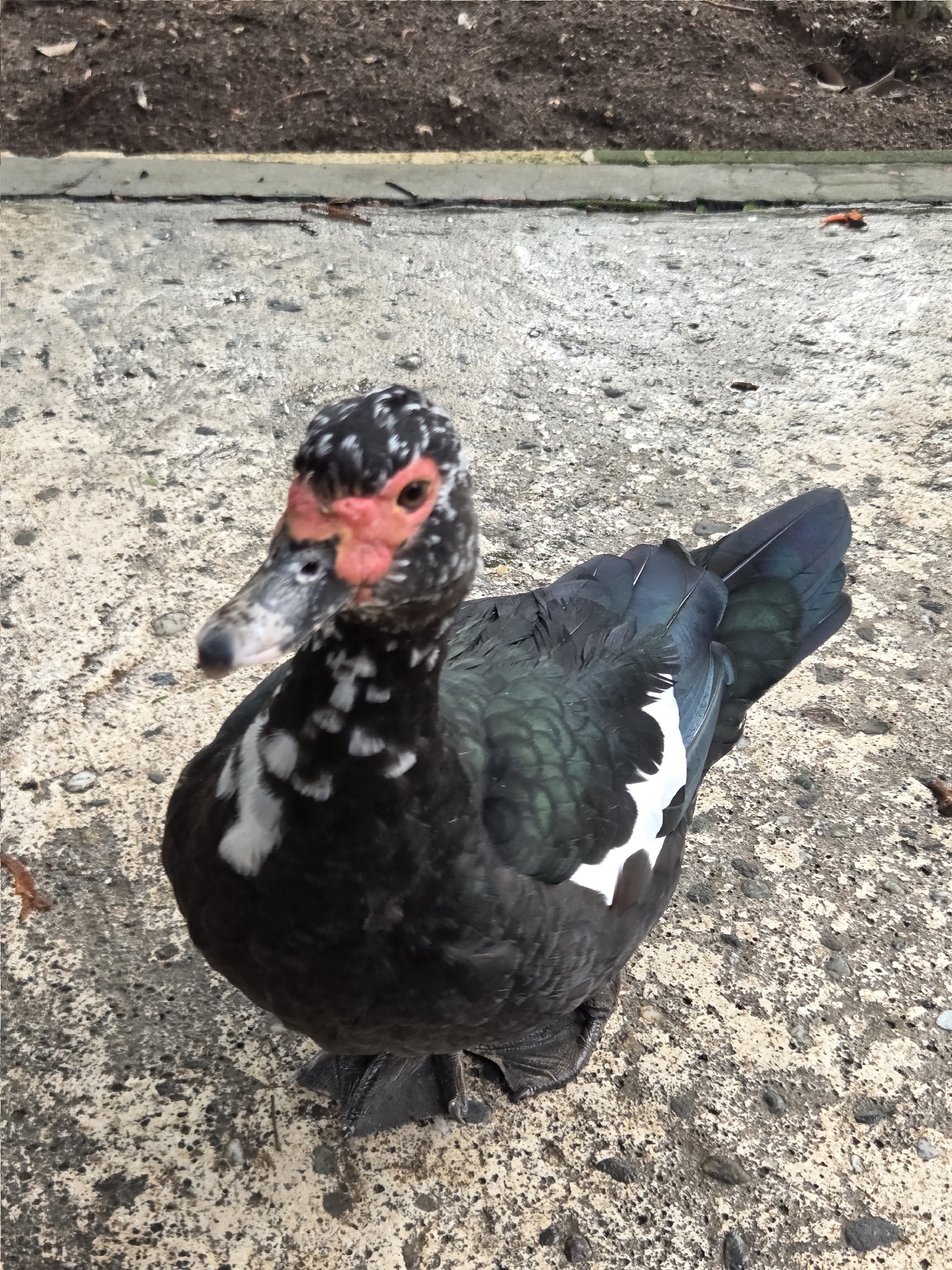 Muscovy Duck
In short
The Black-bellied Whistling-Duck is best distinguished by its striking black belly and pink legs, while the Muscovy Duck is larger with a distinctive red facial skin. Both species can be found in similar habitats, but their size and plumage differences are key identifiers.
Identification tips
- Look for the black belly and pink legs of the Black-bellied Whistling-Duck. 2. Note the red facial skin and larger size of the Muscovy Duck. 3. Observe behavior: Muscovy Ducks may be seen roosting in trees. 4. Listen for the whistling calls of the Black-bellied Whistling-Duck.
Size
The Muscovy Duck is significantly larger than the Black-bellied Whistling-Duck.
Plumage
The Black-bellied Whistling-Duck has a black belly, chestnut body, and pink legs, whereas the Muscovy Duck has a more variable plumage but is often recognized by its red facial skin and generally darker body.
Behaviour
Both species may roost in trees, but the Muscovy Duck is more arboreal, often nesting in tree cavities.
Habitat
Both ducks can be found in wetlands and areas with water bodies, but the Muscovy Duck is more likely to be seen in wooded areas due to its arboreal habits.
Voice
The Black-bellied Whistling-Duck is known for its high-pitched whistling calls, while the Muscovy Duck is generally quieter, often making hissing sounds.
Black-bellied Whistling-Duck · Muscovy Duck · My Tricky Birds