
Black-bellied Whistling-Duck vs White-tipped Dove
Dendrocygna autumnalis versus Leptotila verreauxi
Play a quiz with Black-bellied Whistling-Duck and White-tipped Dove
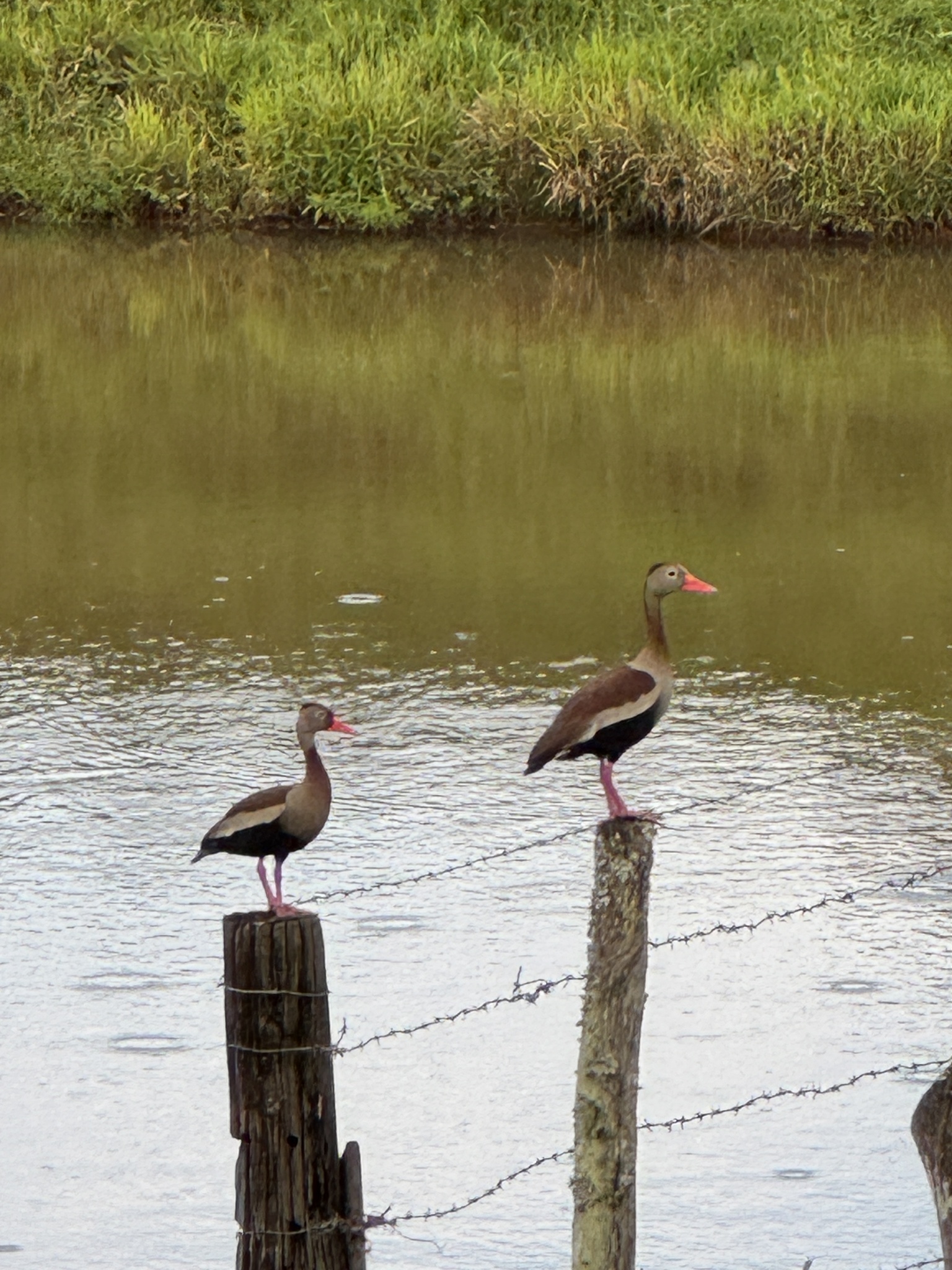 Black-bellied Whistling-Duck
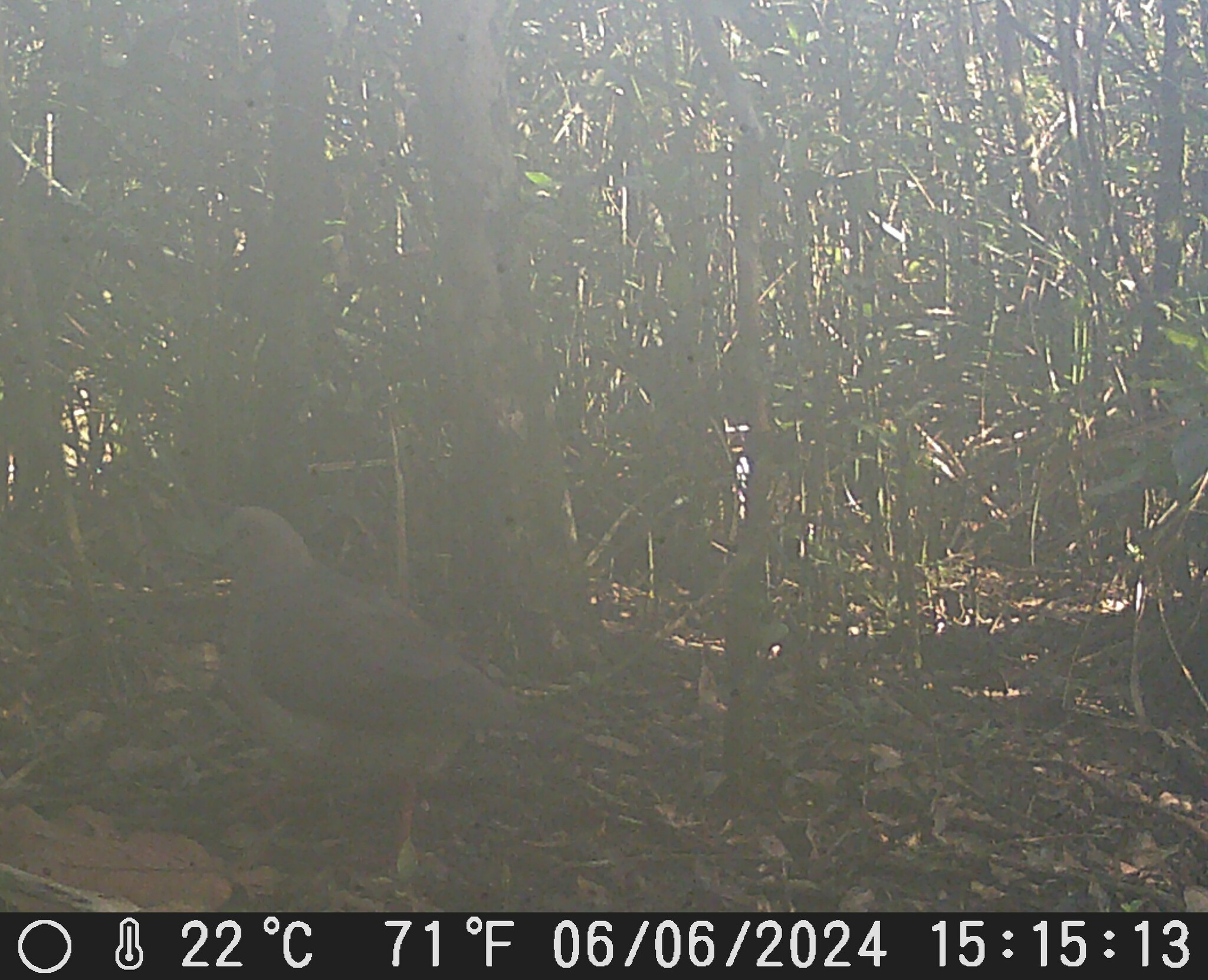 White-tipped Dove
In short
The Black-bellied Whistling-Duck and White-tipped Dove are distinct in both appearance and behavior. The duck is a striking waterfowl with a bold black belly and pink legs, while the dove is a more subdued ground-dweller with a white-tipped tail. They occupy different habitats, which aids in identification.
Identification tips
- Location and habitat: Check if you are in a wetland or wooded area. 2. Plumage: Look for the black belly and pink legs of the duck versus the white-tipped tail of the dove. 3. Behavior: Observe if the bird is in a flock near water or solitary on the ground. 4. Sound: Listen for the whistling of the duck or the cooing of the dove.
Size
The Black-bellied Whistling-Duck is larger, with a more elongated body and longer legs compared to the smaller, more compact White-tipped Dove.
Plumage
The Black-bellied Whistling-Duck has a distinctive black belly, chestnut body, and pink legs. In contrast, the White-tipped Dove has a more uniform brownish-gray plumage with a white-tipped tail and lacks the bold color contrasts of the duck.
Behaviour
The Black-bellied Whistling-Duck is often seen in flocks near water, perching in trees or on the ground. The White-tipped Dove is more solitary, typically found walking on the ground in dense vegetation.
Habitat
The Black-bellied Whistling-Duck prefers wetlands, ponds, and marshes, while the White-tipped Dove is found in wooded areas, thickets, and gardens.
Voice
The Black-bellied Whistling-Duck is known for its high-pitched whistling calls. The White-tipped Dove has a soft, mournful cooing that is quite different from the duck's vocalizations.
Black-bellied Whistling-Duck · White-tipped Dove · My Tricky Birds