
Black-capped Vireo vs Blue-headed Vireo
Vireo atricapilla versus Vireo solitarius
Play a quiz with Black-capped Vireo and Blue-headed Vireo
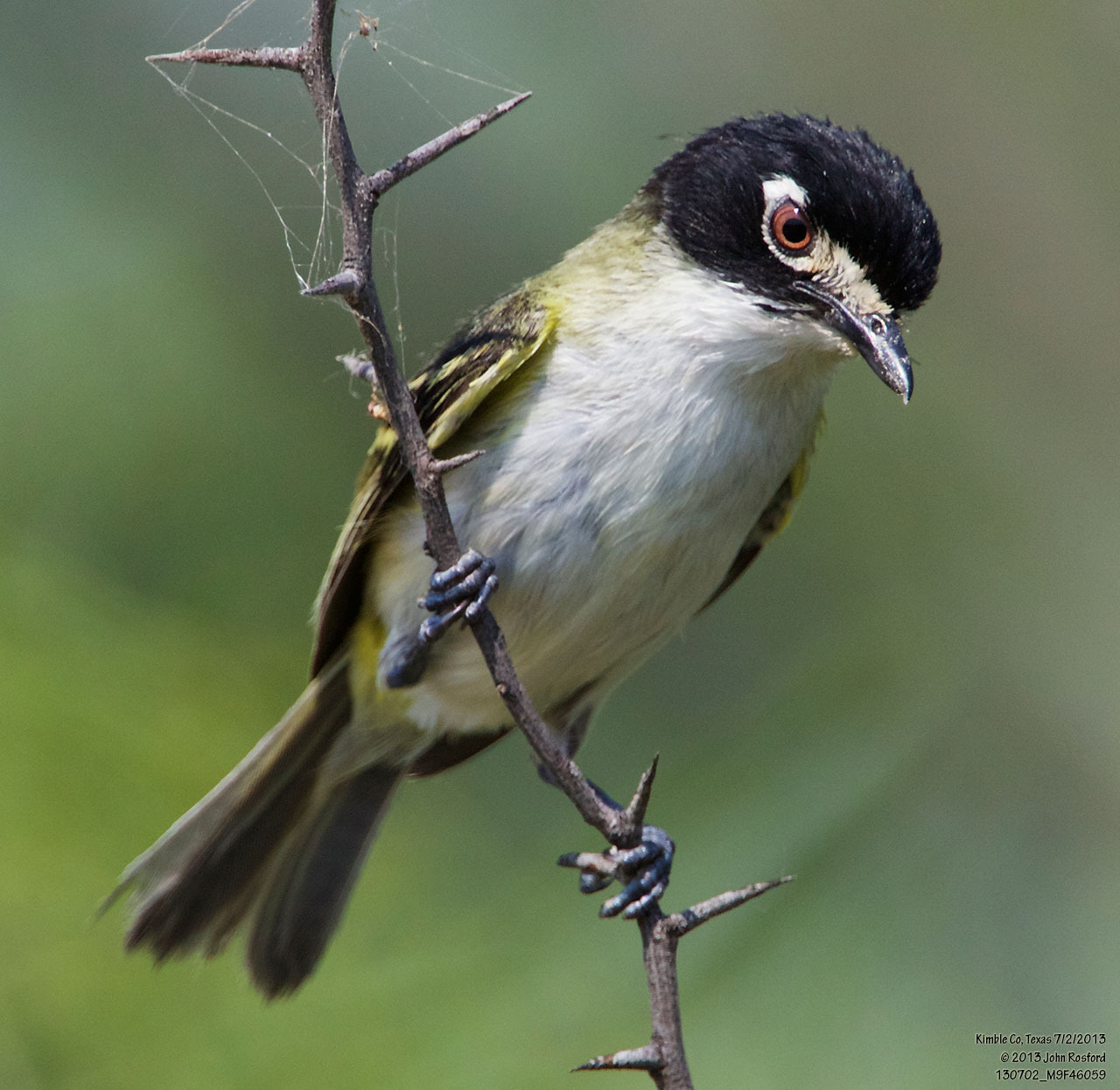 Black-capped Vireo
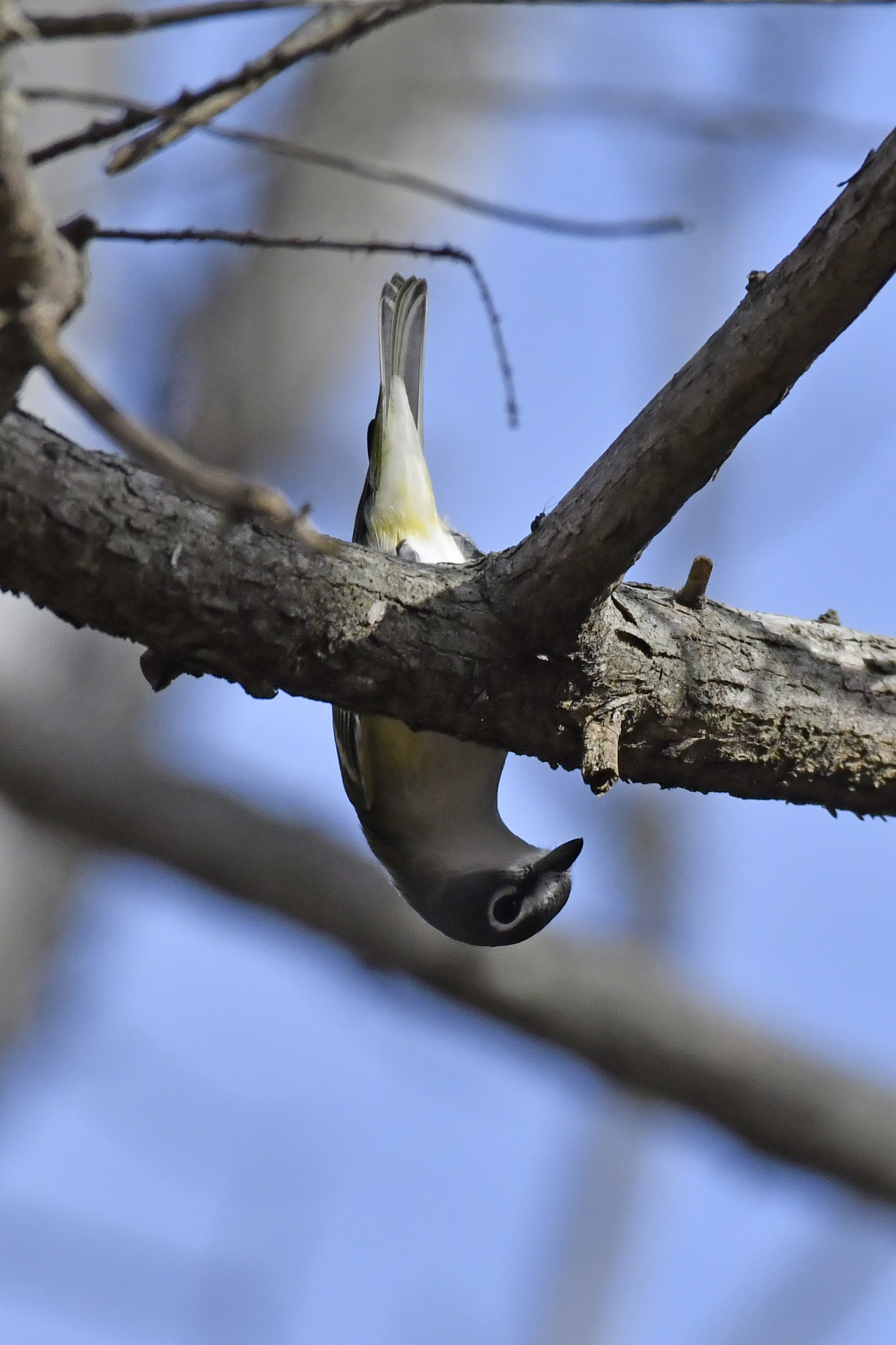 Blue-headed Vireo
In short
The Black-capped Vireo and Blue-headed Vireo can be distinguished by their head coloration and habitat preferences. The Black-capped Vireo has a distinctive black cap, while the Blue-headed Vireo features a blue-gray head. Habitat choice also differs, with the Black-capped Vireo favoring scrubby areas and the Blue-headed Vireo preferring coniferous and mixed forests.
Identification tips
- Look for the black cap on the Black-capped Vireo, especially in males.
- Note the blue-gray head and bold white spectacles of the Blue-headed Vireo.
- Consider habitat: scrubby areas suggest Black-capped, while forests suggest Blue-headed.
- Listen for the complex song of the Black-capped Vireo compared to the simpler song of the Blue-headed Vireo.
Size
Both species are similar in size, typical of small vireos.
Plumage
The Black-capped Vireo has a striking black cap and white spectacles, with males showing a black nape and females a grayish one. The Blue-headed Vireo has a blue-gray head with bold white spectacles and a greenish back, lacking the stark black cap of the Black-capped Vireo.
Behaviour
The Black-capped Vireo is known for its persistent singing throughout the day during breeding season. The Blue-headed Vireo forages slowly and methodically, often in mid-level forest canopies.
Habitat
The Black-capped Vireo is found in scrubby, open areas with scattered trees, mainly in the south-central U.S. and north-central Mexico. The Blue-headed Vireo prefers mature coniferous and mixed forests across Canada and the eastern U.S.
Voice
The Black-capped Vireo's song consists of alternating phrases with a large syllable repertoire. The Blue-headed Vireo's song is more typical of vireos, with less variation.